





US-Iran Tensions Continue: Trump Weighs Diplomatic and Military Options
The Current State of Negotiations
The relationship between the United States and Iran remains in a precarious balance, with President Donald Trump keeping all possibilities open as both nations navigate through intensifying tensions. The American leader has made it clear that he’s not limiting himself to just one approach—both peaceful negotiations and potential military action remain viable options depending on how events unfold. The situation has become increasingly complex as Trump awaits what he describes as the “full text” of a draft agreement that has recently been presented to his administration. What makes this moment particularly interesting is Trump’s characterization of the blockade currently imposed against Iran as a “very friendly blockade”—a description that has raised eyebrows among international observers and certainly among Iranian officials who are experiencing its economic impacts firsthand. This ongoing back-and-forth represents more than just political posturing; it’s a high-stakes diplomatic dance where every word and gesture carries significant weight for regional stability and global security.
Iran’s Proposal and America’s Response
According to reports from Iranian media outlets, the government in Tehran has put forward what they’re calling a comprehensive plan aimed at ending hostilities “on all fronts.” This isn’t just a minor concession or a small step forward—it’s being presented as a substantial proposal that could potentially reshape the entire dynamic between these two long-standing adversaries. A senior Iranian official has revealed that this proposal includes two major components: first, the reopening of maritime traffic through the strategically vital Strait of Hormuz, a waterway through which a significant portion of the world’s oil supply passes; and second, the lifting of the US-imposed blockade against Iran, which has severely impacted the Iranian economy and the daily lives of ordinary Iranian citizens. However, despite what might seem like significant concessions from Iran’s perspective, the Trump administration has thus far rejected this proposal. The sticking point? The Iranian plan apparently pushes discussions about Iran’s nuclear program—arguably the most contentious issue between the two nations—to a later stage rather than addressing it immediately. For the Trump administration, which has made preventing Iranian nuclear weapons development a cornerstone of its Middle East policy, this delay is simply unacceptable.
Trump’s Firm Stance on Nuclear Weapons
President Trump has been absolutely consistent on one point throughout his political career and especially during his dealings with Iran: under no circumstances will Iran be permitted to develop or possess nuclear weapons. This isn’t a negotiating position that softens or hardens depending on circumstances—it’s a red line that Trump has drawn in unmistakable terms. In his most recent statements addressing the Iranian proposal, Trump made his dissatisfaction abundantly clear, leaving no room for ambiguity about where he stands. This position reflects not just Trump’s personal views but a broader American foreign policy concern that spans multiple administrations and political parties. The fear of a nuclear-armed Iran isn’t unique to Trump or even to Republicans; it’s a concern shared across much of the American political spectrum, with worries about regional stability, the potential for nuclear proliferation to other actors in the Middle East, and the fundamental shift in power dynamics that would result from Iran joining the nuclear club. Trump’s unwillingness to accept any deal that doesn’t immediately address the nuclear question head-on demonstrates that for the United States, all other issues—no matter how important—are secondary to this primary concern.
Iran’s Diplomatic Overtures and Conditions
The Iranian response to Trump’s rejection hasn’t been one of complete defiance or retreat into isolation. Instead, Iran’s Foreign Minister has taken a measured approach, stating that Tehran remains ready and willing to engage in diplomatic discussions—but with one critical caveat. The condition Iran has set is that Washington must fundamentally change its approach to dealing with the Islamic Republic. This statement reveals the complexity of the situation from Iran’s perspective. The Iranians feel that the current American approach, characterized by what they view as excessive sanctions, military pressure, and unwillingness to provide meaningful concessions, makes genuine negotiation impossible. From Tehran’s viewpoint, diplomacy requires give-and-take from both sides, not simply Iran making concessions while America maintains maximum pressure. This Iranian position reflects a government that’s under significant domestic pressure—both from hardliners who oppose any engagement with America and from ordinary citizens suffering under economic sanctions who desperately want relief. The Foreign Minister’s statement attempts to thread this needle, keeping the door open to diplomacy while also demanding respect and reciprocity from the American side. It’s a delicate balancing act that shows Iran is neither surrendering to American pressure nor completely closing off the possibility of a negotiated settlement.
The Military Option Remains on the Table
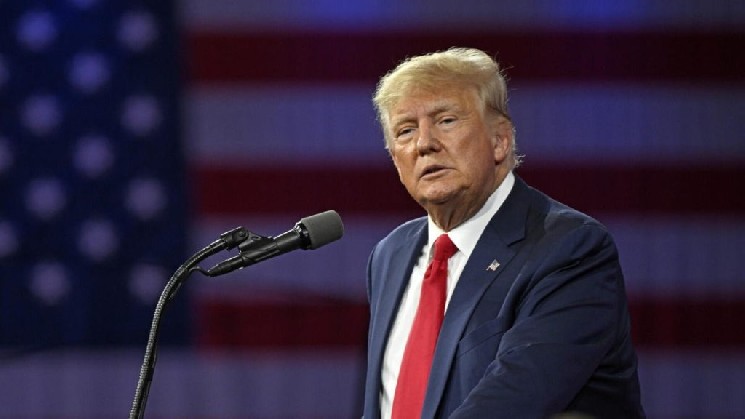
Despite ongoing diplomatic communications and the exchange of proposals, President Trump has made it explicitly clear that he hasn’t removed military action from consideration. When directly asked by reporters about the possibility of new attacks against Iran, Trump didn’t dodge the question or provide reassuring words about peaceful resolution being the only path forward. Instead, he acknowledged plainly, “There is a possibility of this happening.” This candid admission was followed by a revealing question that Trump posed, seemingly thinking out loud about the strategic choices facing his administration: “Do we want to completely destroy them, or are we trying to make a deal?” This statement provides a window into the thinking at the highest levels of American government, showing that military options ranging from limited strikes to more comprehensive action are genuinely being considered and debated. In a speech delivered in Florida, Trump elaborated on his strategic thinking, explaining that the United States would not rush to end tensions with Iran prematurely or accept a quick-fix solution that doesn’t address underlying problems. His reasoning reflects a longer-term strategic vision: he doesn’t want to settle the immediate crisis only to have the same fundamental issues resurface in just a few years, requiring future American administrations to deal with an even more difficult situation. This suggests Trump is thinking about legacy and lasting solutions, not just getting through the current news cycle.
The Path Forward Remains Uncertain
As things stand, the situation between the United States and Iran remains fluid and unpredictable, with both nations seemingly stuck in a challenging position where neither complete confrontation nor genuine breakthrough appears imminent. The gap between the two sides remains substantial—Iran wants sanctions relief and economic breathing room before addressing the nuclear issue comprehensively, while America insists that the nuclear program must be dealt with first and foremost, with other concessions following only after that fundamental issue is resolved. This sequencing disagreement might seem like a minor procedural matter, but it represents a profound difference in priorities and strategic thinking that won’t be easily bridged. Both leaders face domestic political pressures that limit their flexibility—Trump must satisfy supporters who elected him partly on promises of getting tough with Iran, while Iranian leadership must navigate between pragmatists who want economic relief and hardliners who view compromise with America as betrayal. The involvement of regional allies and adversaries further complicates matters, with countries like Israel, Saudi Arabia, and others closely watching and influencing events according to their own interests. What happens next could range anywhere from a surprising diplomatic breakthrough to escalating military confrontation, with numerous possibilities in between. For now, the world watches and waits as these two nations continue their dangerous dance, hoping that wisdom and careful calculation will prevail over miscalculation and conflict. The stakes couldn’t be higher for regional stability, global energy markets, and the broader international order.









