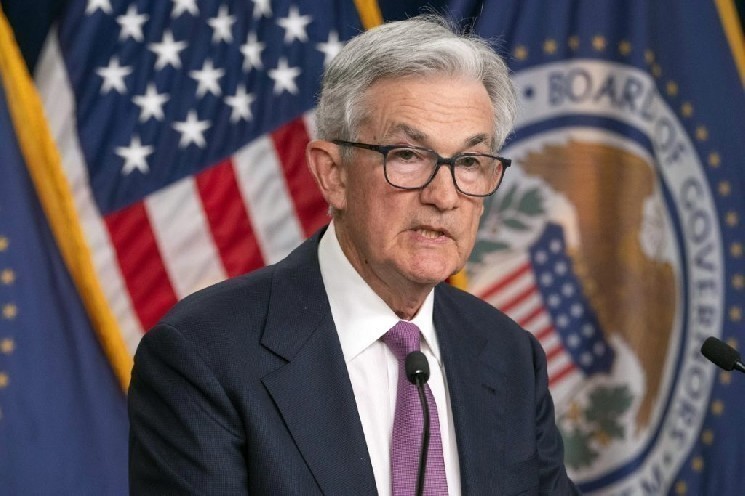

Federal Judge Cancels Subpoenas Targeting the Federal Reserve and Jerome Powell: What This Means for Economic Oversight
Understanding the Legal Challenge to Federal Reserve Oversight
In a significant development that has caught the attention of financial markets and legal experts alike, a federal judge in the United States has recently moved to cancel subpoenas that were issued to the Federal Reserve and its Chairman, Jerome Powell. While the complete details of this case are still emerging, this decision represents an important moment in the ongoing conversation about governmental oversight, the independence of central banking institutions, and the delicate balance between transparency and operational autonomy. The Federal Reserve, often simply called “the Fed,” serves as the central banking system of the United States and plays a crucial role in managing monetary policy, regulating financial institutions, and maintaining the stability of the financial system. Any legal action involving the Fed and its leadership naturally raises questions about who has the authority to demand information from this powerful institution and under what circumstances such demands are appropriate.
The subpoenas in question were likely issued as part of an investigation or inquiry, though the specific context and the party that issued them remains part of the developing story. Subpoenas are legal documents that command individuals or organizations to provide testimony or produce documents and records. When directed at someone of Jerome Powell’s stature—the chairman of an institution that essentially controls the levers of the American economy—such legal instruments carry enormous weight and implications. The fact that a federal judge has chosen to cancel these subpoenas suggests that there were substantial legal grounds for doing so, potentially relating to issues of jurisdiction, relevance, privilege, or the protection of the Federal Reserve’s operational independence. This independence is considered sacred in central banking circles, as it allows monetary policy decisions to be made based on economic data and analysis rather than political pressures or short-term political considerations.
The Federal Reserve’s Unique Position in American Government
To understand why this legal development matters, it’s essential to grasp the unique position the Federal Reserve occupies within the structure of American government. The Fed was created by Congress in 1913 through the Federal Reserve Act, establishing it as an independent entity within the government. This means that while the Federal Reserve is accountable to Congress and its actions are subject to oversight, it operates with a significant degree of autonomy in its day-to-day operations and policy decisions. This structure was deliberately designed to insulate monetary policy from the whims of electoral politics, ensuring that decisions about interest rates, money supply, and financial regulation could be made with a long-term perspective focused on economic stability rather than short-term political gains. Jerome Powell, who has served as Fed Chairman since 2018, leads the Federal Open Market Committee (FOMC), which makes critical decisions that affect everything from mortgage rates to employment levels to the value of the dollar.
The independence of the Federal Reserve has been both praised and criticized throughout its history. Supporters argue that this independence has allowed the Fed to make difficult but necessary decisions during economic crises, such as the aggressive interest rate cuts and quantitative easing programs implemented during the 2008 financial crisis and the COVID-19 pandemic. Critics, however, sometimes argue that the Fed wields enormous power with insufficient accountability to elected representatives and, by extension, to the American people. This tension between independence and accountability creates a complex legal landscape when it comes to investigating the Fed or compelling testimony from its leadership. The cancellation of these subpoenas may reflect a judicial recognition that while oversight is important, there are limits to how that oversight can be conducted, particularly when it might interfere with the Fed’s ability to function effectively or compromise the confidentiality necessary for certain aspects of monetary policy deliberation.
Potential Reasons Behind the Judge’s Decision
While complete details are still forthcoming, there are several possible legal grounds upon which a federal judge might cancel subpoenas directed at the Federal Reserve and Chairman Powell. One possibility involves the concept of executive privilege or a similar protection specific to the Federal Reserve’s operations. Certain communications and deliberations within government agencies, particularly those involving policy formulation, may be protected from disclosure to preserve the integrity of the decision-making process. If the subpoenas sought information about internal Fed deliberations on monetary policy, a judge might conclude that releasing such information could compromise the Fed’s ability to function effectively or chill frank discussion among policymakers. Another possible basis for cancellation could be that the subpoenas were overly broad, burdensome, or sought information that wasn’t relevant to the matter at hand. Courts have the authority to quash or modify subpoenas that don’t meet legal standards for specificity and relevance.
It’s also possible that jurisdictional issues played a role in the judge’s decision. Depending on who issued the subpoenas and for what purpose, there may have been questions about whether that entity had the legal authority to compel testimony or documents from the Federal Reserve. The Fed’s unique status as an independent entity within the government creates special considerations about which bodies have oversight authority and how that authority can be exercised. Additionally, if the information sought was already being provided through other oversight mechanisms—such as the Fed Chairman’s regular testimony before Congress or the extensive reporting the Fed does through its published minutes, reports, and data releases—a judge might conclude that additional subpoenas were unnecessary or duplicative. The legal system generally tries to avoid imposing unnecessary burdens on parties, particularly when alternative means of obtaining information exist.
Implications for Government Transparency and Accountability
This legal development raises important questions about the broader issues of government transparency and accountability, particularly when it comes to powerful institutions like the Federal Reserve. On one hand, in a democratic society, there’s a strong argument that citizens and their elected representatives should have access to information about how government institutions make decisions that affect their lives. The Federal Reserve’s policies directly impact Americans’ ability to find jobs, buy homes, start businesses, and save for retirement. When the Fed raises interest rates to combat inflation, for instance, it makes borrowing more expensive, which can slow economic growth but hopefully prevents the erosive effects of rising prices. Such consequential decisions naturally invite scrutiny and calls for transparency about how and why they were made.
On the other hand, there are legitimate concerns about preserving the space for candid deliberation and protecting certain sensitive information. If Federal Reserve officials knew that every internal discussion, preliminary analysis, or tentative policy consideration would be subject to public disclosure and scrutiny, it might change how they communicate and deliberate, potentially making the policy-making process less effective. There’s also the matter of market sensitivity—premature disclosure of Fed thinking on policy matters could cause market volatility and might even undermine the effectiveness of policies before they’re implemented. Central banks around the world grapple with this balance, trying to be transparent enough to maintain public trust and accountability while preserving enough confidentiality to function effectively. The cancellation of these subpoenas may represent a judicial acknowledgment that this balance needs to be maintained and that not every demand for information, even when made through legal channels, should automatically be granted when it comes to institutions like the Federal Reserve.
What This Means for Jerome Powell and the Federal Reserve’s Current Challenges
For Jerome Powell personally, the cancellation of these subpoenas likely comes as a relief amid an already challenging period for the Federal Reserve. Powell has been navigating one of the most difficult economic environments in recent history, dealing with the aftermath of pandemic-era monetary stimulus, the highest inflation rates in four decades, and the delicate task of raising interest rates to cool inflation without triggering a recession. The Fed has faced criticism from multiple directions—some argue it was too slow to recognize and respond to rising inflation, while others contend that its rate increases have been too aggressive and risk causing unnecessary economic pain and job losses. Having to respond to subpoenas and potentially become entangled in legal proceedings would add another complication to an already full plate and could potentially distract from the Fed’s core mission of promoting maximum employment and stable prices.
More broadly, this development may provide some reassurance to the Federal Reserve as an institution that its operational independence will be respected by the judicial system, even as it remains accountable through established oversight channels. The Fed already operates under significant oversight—the Chairman testifies before Congress multiple times each year, the institution is subject to audits, it publishes extensive information about its operations and decision-making, and its actions are constantly analyzed by economists, financial markets, and the media. The cancellation of these particular subpoenas doesn’t mean the Fed operates without scrutiny; rather, it may simply mean that there are appropriate channels and limits for that scrutiny. As the Fed continues to make consequential decisions about interest rates and other policy tools in the coming months, having clarity about the legal boundaries of outside interference may help it focus on its economic mandate. Whether the Fed’s policies will successfully achieve a “soft landing”—bringing down inflation without causing a recession—remains to be seen, but at least this legal distraction appears to have been resolved, for now.
Looking Ahead: The Evolving Relationship Between Central Banks and Oversight
As more details emerge about this case, it will be important to watch how it might influence future attempts to investigate or compel information from the Federal Reserve and other independent government agencies. This decision could set a precedent that shapes how courts view the balance between institutional independence and external oversight, potentially influencing similar cases in the future. It may also prompt discussions in Congress about whether current oversight mechanisms for the Federal Reserve are adequate or whether reforms are needed—either to enhance accountability or to further protect the Fed’s independence, depending on one’s perspective. Some lawmakers have long advocated for greater congressional oversight of the Fed, including proposals to subject monetary policy decisions to more direct political review, while others have staunchly defended the current system as essential for effective economic management.
In the broader context, this development is part of ongoing global conversations about central bank independence and accountability. Around the world, central banks have taken on increasingly prominent roles in economic management, particularly since the 2008 financial crisis, when institutions like the Federal Reserve, the European Central Bank, and the Bank of England implemented unprecedented policies to stabilize financial systems and support economic recovery. This expanded role has led to questions about whether traditional oversight mechanisms remain adequate and whether there should be greater political input into central bank decisions. As we await additional details about why this particular judge canceled the subpoenas to the Federal Reserve and Chairman Powell, the case serves as a reminder of the complex legal and institutional frameworks that govern American economic policy-making. For everyday Americans, the Federal Reserve’s decisions matter immensely—affecting job prospects, the affordability of homes and cars, the value of savings, and overall economic stability. Ensuring that this powerful institution operates with both sufficient independence to make sound policy decisions and adequate accountability to the public it serves remains an ongoing challenge that will continue to evolve through cases like this one.