


Oil Prices Surge Amid Escalating U.S.-Iran Tensions While Markets Search for Silver Lining
Crude Oil Spikes on Threats to Iranian Infrastructure
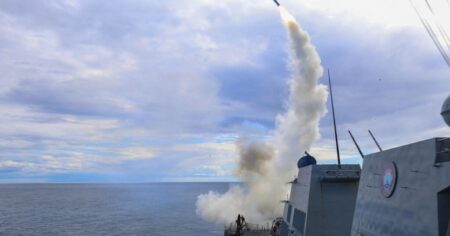
The global energy markets experienced significant turbulence on Monday as Brent crude oil prices surged dramatically to $115 per barrel, driven by escalating tensions between the United States and Iran. President Trump’s aggressive rhetoric on social media threatened devastating military action against Iranian infrastructure—specifically targeting power plants and critical oil production facilities—if Iran fails to reopen the strategically vital Strait of Hormuz. This narrow waterway serves as one of the world’s most important oil chokepoints, with roughly one-fifth of global petroleum passing through its waters daily. The initial spike in Brent crude, which serves as the international pricing benchmark for oil, eventually settled back to $107.95 as traders digested the full scope of the situation. Meanwhile, West Texas Intermediate, the primary benchmark used in the United States, climbed 2% to reach $101.70 per barrel. These price movements reflect the market’s deep anxiety about potential supply disruptions that could ripple through the global economy, affecting everything from gasoline prices at the pump to the cost of manufacturing and transportation worldwide.
Stock Markets Show Resilience Despite Geopolitical Storm Clouds
In a surprising display of resilience, U.S. stock markets managed to claw back some ground on Monday, even as oil prices surged and geopolitical uncertainty dominated headlines. The Dow Jones Industrial Average, which had entered correction territory just days earlier after five consecutive weeks of losses, gained 381 points or 0.85% by mid-morning trading. The broader S&P 500 index added 0.6%, while the technology-heavy Nasdaq composite climbed 0.3%. This unexpected bounce came after Wall Street analysts parsed through President Trump’s social media posts more carefully, focusing on his mentions of “great progress” in negotiations with Iran rather than solely on his military threats. This selective optimism reflects the market’s desperate search for positive signals amid the chaos. Chris Larkin, managing director of trading and investing at E*TRADE from Morgan Stanley, captured the market’s conflicted mood perfectly when he noted that “stocks continue to fight an uphill battle against oil prices and political uncertainty.” He went on to explain that while history demonstrates that geopolitical shocks typically have relatively short-lived impacts on financial markets, the current situation presents a unique challenge. Without a clear resolution to the Iran conflict in sight, investors find themselves unable to look past the immediate volatility and uncertainty, making it extremely difficult for stocks to build sustainable upward momentum. The market’s behavior reflects a delicate balancing act between fear of economic disruption and hope that diplomatic channels might still prevent the worst-case scenarios from materializing.
Bargain Hunters Emerge as Stock Valuations Become More Attractive
The recent market downturn has caught the attention of value-oriented investors who are now scanning the landscape for buying opportunities. The steep decline in stock prices over recent weeks has created a situation where many quality companies are trading at significantly reduced valuations compared to their recent highs. By the end of last week, the S&P 500 had fallen 7.4% below its all-time high set in January, while both the Dow and Nasdaq had dropped more than 10% from their record levels—a decline significant enough that professional investors officially classify it as a “correction.” However, when analysts adjust for expected profit growth over the coming year for companies within the S&P 500, the index appears approximately 17% cheaper than it was before the war began. This valuation adjustment is particularly noteworthy because it places current market conditions in a similar range to previous market scares that ultimately didn’t result in either a recession or aggressive interest rate hikes by the Federal Reserve. Morgan Stanley strategists, led by Michael Wilson, have been analyzing multiple market indicators and believe they’re seeing “growing evidence the S&P 500 correction is getting closer to its ending stages.” This doesn’t mean the market will immediately reverse course, but it suggests that much of the bad news may already be reflected in current prices, potentially setting the stage for a recovery once the geopolitical situation stabilizes and investors regain confidence in the economic outlook.
Inflation Concerns Return to Center Stage
The dramatic rise in oil prices has reignited fears about inflation, a concern that had been gradually fading as energy costs had stabilized in recent months. The situation over the weekend in the Persian Gulf region created a whirlwind of military and diplomatic activity, yet none of it provided clarity about when the conflict might end or how quickly normal oil flows could resume. For investors around the world, the central question isn’t just about the immediate impact of higher gasoline prices—it’s about whether oil and natural gas can resume their full flow from the Persian Gulf to customers globally, preventing what could be a devastating wave of inflation that would affect virtually every sector of the economy. Higher energy costs don’t just hurt consumers at the pump; they cascade through the entire economic system, increasing transportation costs, raising manufacturing expenses, and ultimately pushing up prices for goods and services across the board. The inflationary implications of sustained high oil prices extend far beyond the energy sector itself, threatening to undo years of progress the Federal Reserve has made in bringing inflation down from the elevated levels seen in previous years. This potential reversal in the inflation trajectory presents policymakers with an incredibly difficult dilemma and investors with a complex risk to evaluate.
Federal Reserve Policy Uncertainty Adds Another Layer of Complexity
The possibility of renewed inflation has created considerable uncertainty about the Federal Reserve’s next moves on interest rates, adding another dimension of complexity to an already challenging investment environment. Some economists are now warning that there’s an increasing risk the Federal Reserve might pause its planned interest rate cuts—or even reverse course and raise the benchmark rate—if policymakers determine that oil prices have risen high enough to threaten inflation targets. Such a decision would represent a significant shift in monetary policy direction and would have profound implications across financial markets. The Federal Reserve faces a classic policy dilemma: higher interest rates would help keep inflation under control by increasing borrowing costs and dampening economic demand, but this medicine comes with significant side effects. Raising rates would slow economic growth, potentially pushing the economy toward recession, and would put downward pressure on prices for virtually all types of investments, from stocks and bonds to real estate and commodities. This interest rate uncertainty has been reflected in dramatic movements in the Treasury bond market, where yields have been jumping since the war began as investors adjust their expectations for future Fed policy. However, Monday brought some relief as the yield on the benchmark 10-year Treasury note fell from 4.44% to 4.35%—a substantial move in bond market terms that provides some breathing room for Wall Street and suggests that investors may be slightly less worried about aggressive Fed action than they were just days earlier.
Looking Ahead: Navigating Uncertainty in Turbulent Times
As markets continue to navigate this period of heightened geopolitical tension and economic uncertainty, investors face the challenging task of balancing short-term risks against long-term opportunities. The current situation encapsulates many of the most difficult aspects of investing during crisis periods: rapidly changing circumstances, incomplete information, multiple possible outcomes, and the psychological challenge of maintaining discipline when fear and uncertainty are running high. History suggests that geopolitical crises, while terrifying in the moment, often create buying opportunities for patient investors willing to look past immediate turbulence toward longer-term fundamentals. However, this particular crisis carries unique characteristics that make historical comparisons imperfect guides. The combination of potential energy supply disruptions, inflation concerns, and Federal Reserve policy uncertainty creates a more complex risk environment than many previous geopolitical shocks. For everyday investors, the current environment underscores the importance of maintaining a diversified portfolio, avoiding panic-driven decisions, and maintaining a long-term perspective even when short-term headlines are alarming. While the path forward remains uncertain and additional volatility seems likely, markets have historically demonstrated remarkable resilience in recovering from geopolitical shocks once the immediate crisis passes and normal economic activity resumes.