
UK Grants Forces Power to Board Russian Shadow Fleet Vessels
Strengthening Maritime Security Against Putin’s War Machine
In a significant escalation of efforts to counter Russian maritime operations, British forces are set to receive expanded powers to intercept and board sanctioned vessels navigating through UK territorial waters. This bold move comes as the conflict in Ukraine approaches its fifth year, with authorities across Europe intensifying their focus on what has become known as Russia’s “shadow fleet” – a collection of aging tankers and cargo ships believed to be transporting Russian oil and gas while evading international sanctions. The decision marks a major shift in how the United Kingdom intends to enforce maritime restrictions against Moscow, moving beyond simple monitoring to direct intervention on the high seas. Armed forces personnel and law enforcement officers will now have the legal authority to physically board these suspected Russian-linked vessels, representing one of the most assertive stances taken by Western nations in maritime enforcement since the conflict began. This development signals a broader recognition among NATO allies that passive observation of sanction-busting activities is no longer sufficient, and that more muscular responses are required to genuinely impact Russia’s ability to fund its military operations in Ukraine.
The Shadow Fleet: Putin’s Economic Lifeline
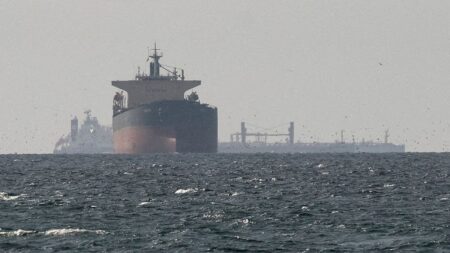
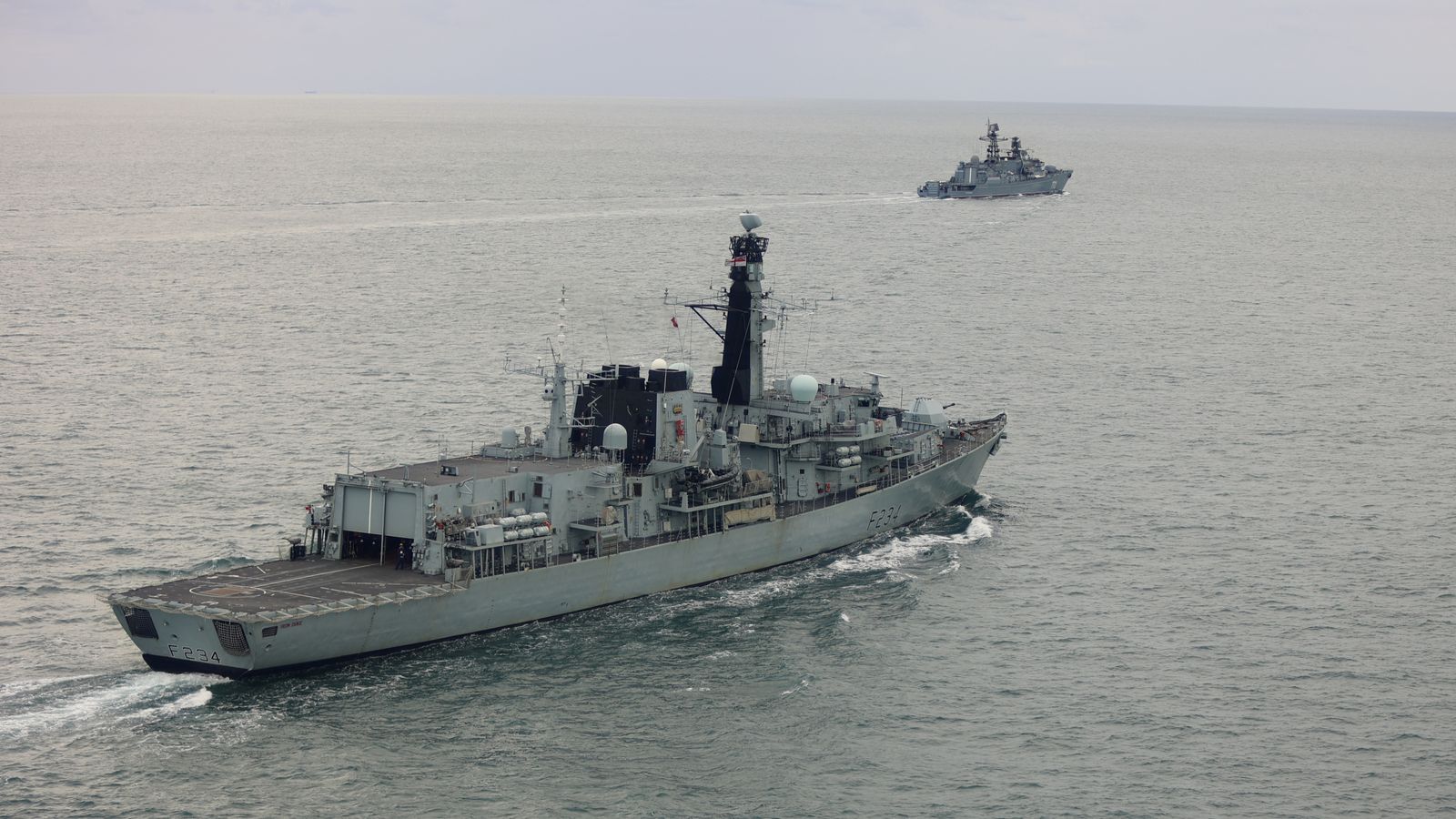
The so-called shadow fleet has become a critical component of Russia’s strategy to maintain oil revenues despite sweeping international sanctions. These vessels, often elderly tankers with murky ownership structures registered in countries with lax regulatory oversight, have been instrumental in allowing Russia to continue exporting petroleum products to willing buyers, primarily in Asia and the developing world. The Royal Navy has already been actively supporting allied nations in tracking these suspicious vessels as they navigate through European waters and the Mediterranean Sea, gathering intelligence on their movements, destinations, and cargo manifests. Recent weeks have seen increased cooperation between British naval forces and their European counterparts, sharing real-time data and coordinating surveillance operations to build a comprehensive picture of how this shadow network operates. These ships typically employ various deceptive practices, including turning off their automatic identification systems, conducting ship-to-ship transfers in international waters, and frequently changing flags of convenience to obscure their true ownership and purpose. The economic stakes are enormous – analysts estimate that these shadow fleet operations help Russia circumvent billions of dollars in potential revenue losses from sanctions, directly funding the Kremlin’s continued military aggression against Ukraine.
Prime Ministerial Resolve: Starmer’s Strong Words
Speaking about the new enforcement powers, Prime Minister Sir Keir Starmer delivered forceful remarks clearly aimed at the Kremlin, accusing Russian President Vladimir Putin of cynically benefiting from global instability. “Putin is rubbing his hands at the war in the Middle East because he thinks higher oil prices will let him line his pockets,” Starmer declared, drawing a direct connection between various international crises and Russia’s financial calculations. The Prime Minister emphasized that the expanded boarding powers represent Britain going “after his shadow fleet even harder,” framing the action not merely as sanction enforcement but as a dual mission that simultaneously protects British sovereignty while “starving Putin’s war machine of the dirty profits that fund his barbaric campaign in Ukraine.” This rhetoric reflects the Labour government’s determination to maintain, and indeed strengthen, the previous administration’s tough stance on Russia despite the change in political leadership. Starmer’s comments also served as a direct warning to Putin and his inner circle, making it unmistakably clear that there would be consequences for attempting to undermine international sanctions through maritime deception. “He and his cronies should be in no doubt; we will always defend our sovereignty and stand with Ukraine for as long as it takes,” the Prime Minister added, reaffirming the UK’s long-term commitment to supporting Ukraine’s defense against Russian aggression regardless of how long the conflict continues.
Northern European Military Coordination
The announcement of these new powers coincides with Prime Minister Starmer’s attendance at a Joint Expeditionary Force summit in Helsinki, Finland, where he is meeting with leaders from the military coalition of ten northern European nations that Britain leads. The JEF was specifically established to coordinate defense efforts among countries that share concerns about Russian military adventurism in the region, providing a framework for rapid response to security threats and joint military planning. At the summit, Starmer is expected to declare that the United Kingdom’s support for Ukraine remains “steadfast,” sending yet another message that Western resolve has not weakened despite the prolonged nature of the conflict. The choice of Finland as the summit location carries particular symbolic weight, given that the Nordic nation abandoned decades of military non-alignment to join NATO specifically in response to Russia’s invasion of Ukraine, demonstrating how Putin’s aggression has had the opposite effect of what the Kremlin likely intended by pushing previously neutral nations firmly into the Western security architecture. The participating countries in the JEF – which include Sweden, Estonia, Latvia, Lithuania, Norway, Denmark, Iceland, and the Netherlands alongside the UK and Finland – have all been grappling with increased Russian maritime activity in their waters, making collaborative approaches to shadow fleet interdiction a priority agenda item.
Recent Enforcement Actions Set the Precedent
The announcement of expanded British enforcement powers builds upon a series of recent operations conducted by various European nations that have demonstrated both the willingness and capability to take direct action against suspected shadow fleet vessels. Finland, Sweden, and Estonia have all recently carried out their own operations against vessels suspected of engaging in illegal activities in the Baltic Sea, a body of water that has become a particular hotspot for shadow fleet activity due to its geographic position between Russia and international shipping lanes. These operations have ranged from forced inspections to actual detentions of vessels, with authorities gathering evidence of sanction violations, document fraud, and unsafe maritime practices. In one particularly significant case, the United Kingdom provided crucial assistance to United States forces who boarded the Bella 1, a sanctioned Russian-linked oil tanker, in the Atlantic Ocean in January. This transatlantic cooperation demonstrated that enforcement efforts are not confined to European regional waters but extend to international shipping lanes wherever these suspect vessels operate. Such operations require sophisticated legal frameworks, as they must balance the right to enforce sanctions against the principles of freedom of navigation and international maritime law, which generally prohibits interference with vessels in international waters except under specific circumstances.
Broader Implications for Ukraine and International Security
This expanded enforcement regime represents more than just a technical adjustment to maritime law – it embodies a recognition that the economic dimension of modern warfare is as crucial as military operations on the battlefield. By targeting the shadow fleet that enables Russia to maintain oil revenues despite sanctions, Western nations are attempting to create tangible economic pressure that might eventually limit Moscow’s ability to sustain its military operations in Ukraine. The timing is particularly significant as the war enters its fifth year with no clear resolution in sight, and questions about Western staying power continue to surface in international discussions. The new boarding powers send a message not only to Russia but also to Ukraine and other nations watching how the international community responds to aggression – that commitment to defending international law and supporting victims of aggression remains robust. For Ukraine specifically, seeing its allies take concrete actions that directly impact Russia’s war-funding capabilities provides both practical and moral support during what remains an existential struggle for the nation. The policy also addresses a growing concern among security experts that Russia’s shadow fleet operations, if left unchallenged, could establish dangerous precedents for how rogue states might circumvent international sanctions in future conflicts, potentially undermining the entire framework of economic deterrence that has become central to modern international security architecture. As these new powers come into effect, the world will be watching closely to see how effectively they are implemented and whether Russia adapts its shadow fleet tactics in response.