
The Unsolved Murder of Bryan Pata: A Tragedy That Haunts Miami Football
A Promising Life Cut Short
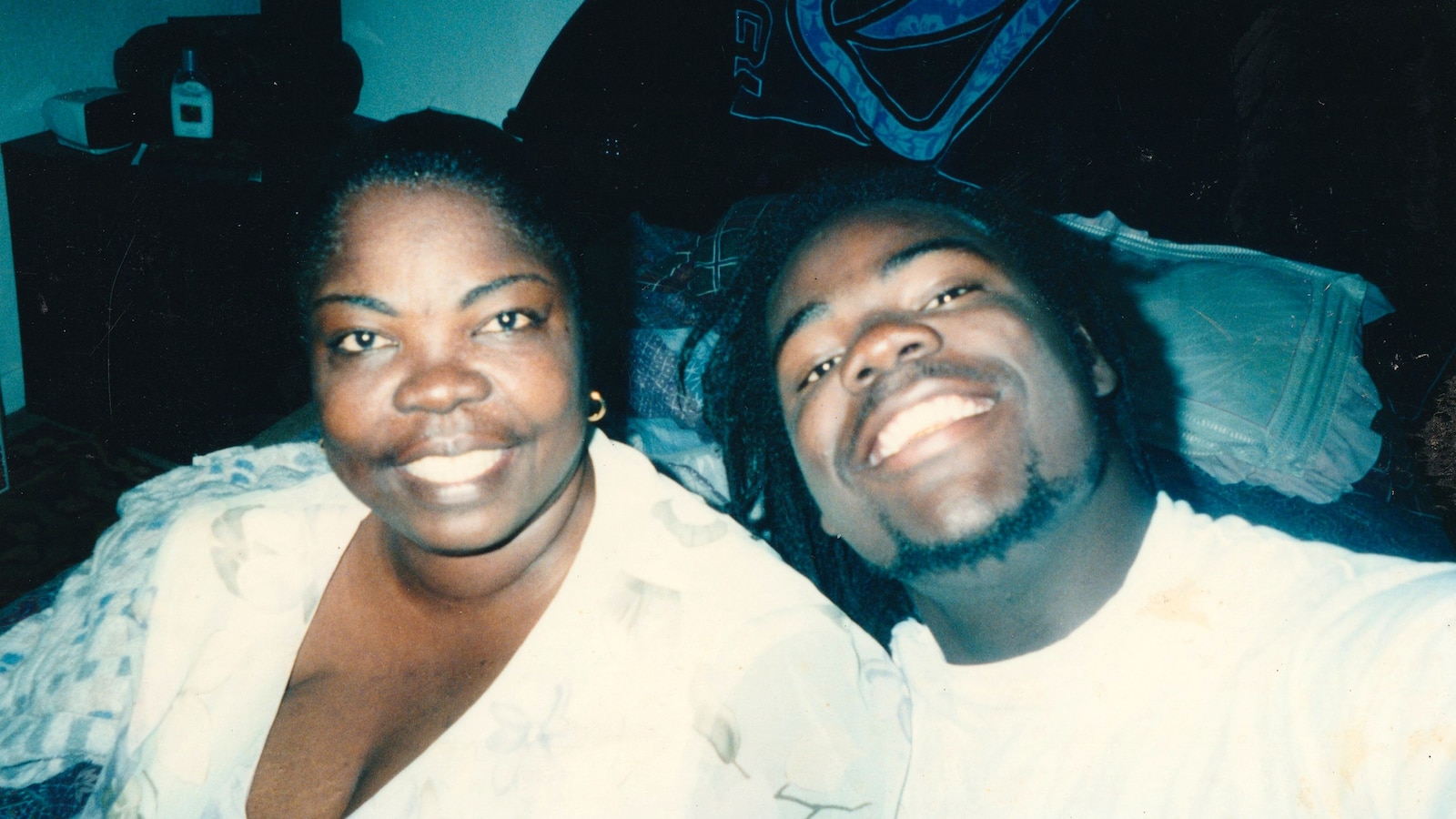
On a seemingly ordinary November evening in 2006, the world of college football was rocked by an unthinkable tragedy. Bryan Pata, a 22-year-old defensive lineman for the University of Miami Hurricanes, was gunned down outside his apartment complex after returning home from football practice. The young athlete, who had been preparing for what many believed would be a successful NFL career, was shot in the head as he exited his vehicle, leaving behind devastated family members, heartbroken teammates, and a community desperate for answers. His sister, Ronette Pata, shared the profound grief that continues to affect the family nearly two decades later, explaining how memories of their time together can suddenly transform into tears when the reality of his absence becomes too overwhelming to bear. The case, which remained cold for fifteen years, has become the subject of renewed attention through ABC’s “20/20” documentary episode titled “Murder at the U,” shedding light on the prolonged quest for justice that has consumed Bryan’s loved ones for nearly twenty years.
A Beloved Teammate and Leader
Those who knew Bryan Pata remember him as far more than just a talented athlete destined for professional football. His teammates and friends describe a young man whose personality transcended the football field, someone whose natural charisma and positive energy made him a magnetic presence wherever he went. Dave Howell, one of Bryan’s teammates on the Miami Hurricanes, recalled the special quality that made Bryan stand out among his peers—an aura that naturally drew people toward him and made him an unofficial leader within the team. His brother Edwin painted a picture of someone “full of life, full of energy, positive energy,” emphasizing that Bryan’s absence continues to leave a painful void in their lives today. The night of his murder, it was Dwayne Hendricks, Bryan’s teammate and roommate, who discovered him lying in a pool of blood shortly after pulling into their apartment complex. The traumatic experience of making that initial call to Bryan’s mother to inform her that her youngest son had been killed remains, in Hendricks’ words, “the hardest thing I’ve ever had to do in my life.” The collective mourning from Bryan’s teammates, family, and the broader Miami community highlighted the profound impact this young man had on everyone fortunate enough to know him.
The Investigation Begins: Suspicion Falls on a Teammate
As investigators began piecing together the circumstances surrounding Bryan Pata’s murder, they quickly discovered tensions that existed within the team itself. Their attention turned to Rashaun Jones, another player on the Miami Hurricanes roster, after learning about reported conflicts between the two athletes. According to teammates who spoke with investigators, Bryan and Rashaun had previously engaged in physical altercations, and Rashaun had allegedly made threats toward Bryan. Adding another layer of complexity to their relationship, rumors circulated that Jones had once been romantically involved with Bryan’s girlfriend, Jada Brody, potentially fueling jealousy and animosity between the two players. A particularly telling detail emerged when investigators learned that Jones was the only team member who failed to attend a mandatory team meeting scheduled for the night Bryan was killed. Despite these concerning details and the apparent motive, the investigation stalled, and the case went cold for an agonizing fifteen years, leaving Bryan’s family without closure and justice seemingly out of reach as the years passed without any arrests or significant developments.
A Case Revived After Fifteen Years
The resurrection of Bryan Pata’s murder case came from an unexpected source—investigative journalism. An in-depth article published by ESPN exploring the details of the unsolved murder and the original investigation helped reignite public interest and, more importantly, prompted law enforcement to take a fresh look at the evidence. Bryan’s brother Edwin acknowledged the crucial role this media attention played in moving the case forward, crediting both the ESPN article and a more aggressive approach by the state prosecutor as catalysts for renewed action. In 2021, fifteen years after Bryan’s death, Rashaun Jones was finally arrested and charged with second-degree murder. The evidence authorities presented included cell phone records and testimony from an alleged eyewitness who investigators claimed could place Jones at the scene of the crime. Additional suspicious circumstances surrounding Jones emerged during the investigation: on the morning of Bryan’s murder, Jones had been suspended from the University of Miami football team after testing positive for marijuana for the second time, and he had also changed his phone number that same day—behaviors that prosecutors would later argue demonstrated consciousness of guilt and an attempt to distance himself from what was about to happen.
The Trial and a Frustrated Quest for Justice
When questioned by police following his arrest, Rashaun Jones acknowledged that his relationship with Bryan Pata had been complicated, admitting they had “an up-and-down relationship” as teammates, and that “females got involved” creating what he described as “jealousy over females.” However, Jones adamantly maintained his innocence throughout the investigation and subsequent legal proceedings, insisting he had nothing to do with Bryan’s killing. “I used to be young and wild,” Jones told police, “that ain’t got nothing to do with picking up no gun, trying to kill nobody, harm nobody with it. That’s not in me.” After pleading not guilty to the charges, Jones spent four and a half years in jail awaiting trial because he couldn’t afford to post bail—a lengthy pretrial detention that his defense attorneys argued was unjust for someone presumed innocent. When the trial finally commenced in February 2025, prosecutors built their case around the documented conflicts between Jones and Pata, the suspicious circumstances of Jones’s suspension and phone number change on the day of the murder, and the testimony of the alleged eyewitness. The defense countered by highlighting what they characterized as a flawed investigation, pointing out that police hadn’t treated Jones as a serious suspect or obtained a sworn statement from him for more than fifteen years after the murder occurred.
An Unresolved Ending and Continued Grief
After two weeks of testimony and deliberation, the trial ended not with the verdict Bryan Pata’s family had waited nearly two decades to hear, but with a mistrial. The six-person jury remained hopelessly deadlocked, unable to reach a unanimous decision on Jones’s guilt or innocence. When polled afterward, one juror revealed to “20/20” that five members had favored acquittal while only one held out for conviction—a split that demonstrated how challenging the prosecution’s case had been despite the circumstantial evidence presented. The state attorney’s office has indicated their intention to retry Jones later this spring, refusing to let the case die despite the setback. Jones’s attorney, Sara Alvarez, emphasized that her client had refused a plea deal because he continues to fight for his innocence, and she reaffirmed that “Mr. Jones continues to be presumed innocent, and we will be back to fight this again at the next trial.” For the Pata family, this legal limbo means their painful wait for justice continues into yet another year. As they endure this prolonged ordeal, they hold onto the memories of the vibrant young man whose life was stolen from him on the cusp of achieving his dreams. Edwin Pata’s words capture the enduring pain of their loss: “It’s still hard for us today.” The tragedy of Bryan Pata serves as a sobering reminder of how violence can destroy not only individual lives but also the countless people connected to those lives, leaving wounds that never fully heal and questions that may never be satisfactorily answered.