
Americans Stranded in Middle East Await Emergency Evacuation After Iran Conflict
Charter Flights Begin Journey Home as Thousands Remain Stuck
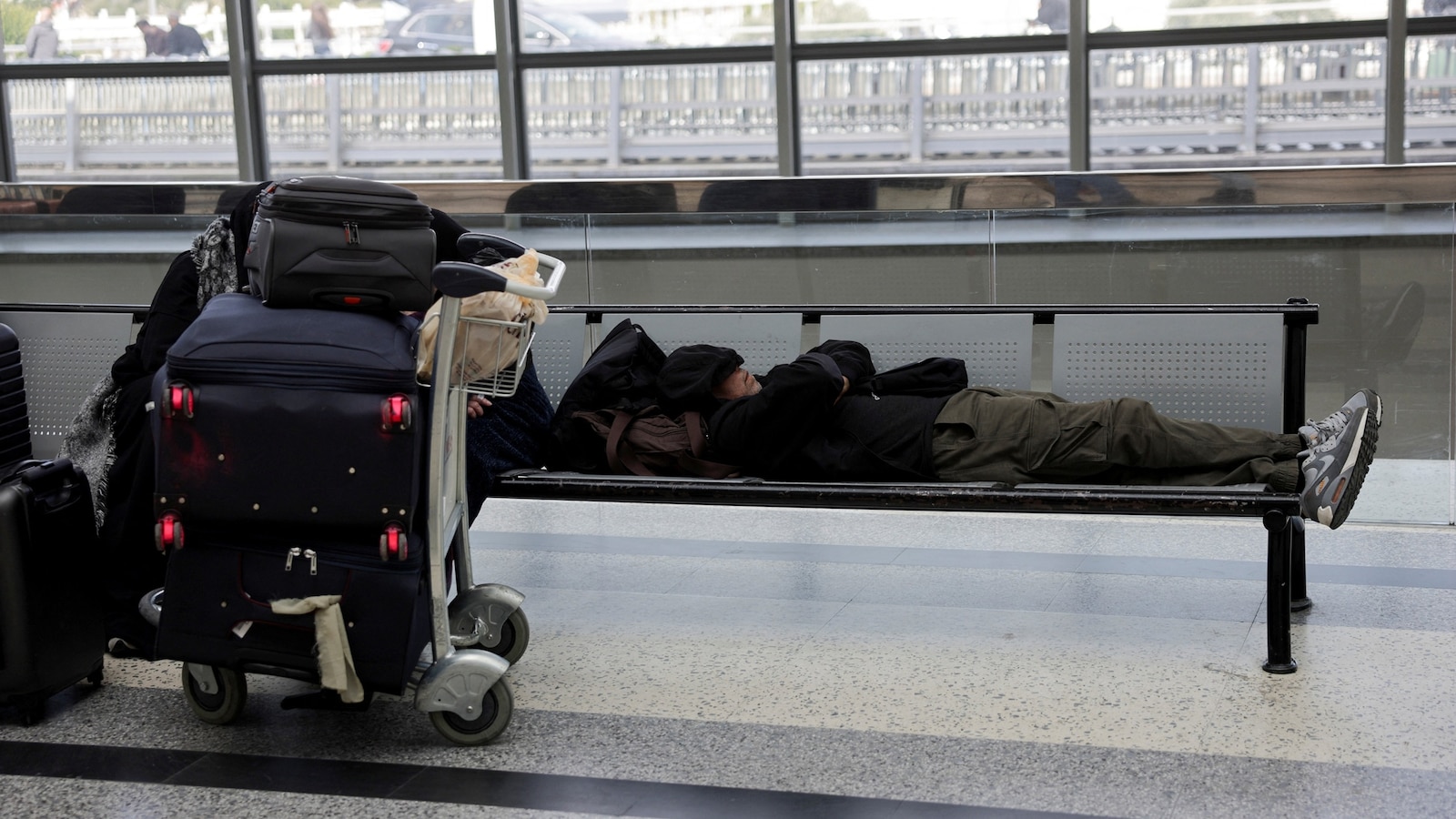
The U.S. State Department announced Wednesday that a charter flight carrying American citizens trapped in the Middle East was making its way back to the United States, offering the first glimmer of hope to thousands of travelers who have been stranded since the outbreak of military conflict with Iran. The emergency airlift comes several days after joint U.S.-Israeli combat operations against Iran forced widespread airspace closures across the region, leaving countless American tourists, business travelers, and pilgrims with no way to return home. Department officials confirmed that this initial flight represents just the beginning of their evacuation efforts, with additional charter flights scheduled to depart from multiple Middle Eastern hubs including the United Arab Emirates, Qatar, Saudi Arabia, and Israel in the coming days. The crisis has exposed hundreds of thousands of Americans to the frightening reality of being caught in an active war zone, with many forced to seek shelter from missile attacks while desperately trying to secure passage out of the conflict area.
Families Caught in Crossfire Describe Terrifying Ordeal
The human cost of the sudden military escalation has become heartbreakingly clear through the stories of ordinary Americans who traveled to the region for religious pilgrimages, family visits, or vacation, only to find themselves running for bomb shelters as air raid sirens wailed overhead. Chris Elliott, a pastor from Lexington, North Carolina, described the harrowing experience of being stranded with his family while visiting holy sites in Jerusalem. What began as a spiritual journey transformed into a nightmare when they found themselves huddled in a bomb shelter, listening to the terrifying sounds of incoming missiles being intercepted by air defense systems. His daughter Riley shared the profound psychological toll the experience has taken, explaining that the most frightening moments came at night when the family would be jolted awake by warning sirens piercing through the darkness. “The scariest for me was trying to go to bed at night and then being woken up by the sounds of sirens,” she told reporters, her voice reflecting the strain of days spent sheltering in place since the joint military operation began on Saturday. For the Elliott family and countless others like them, what should have been a memorable trip has become a traumatic experience that has left them feeling vulnerable and abandoned, desperately wanting nothing more than to return to American soil.
Criticism Mounts Over Lack of Advance Warning
The Trump administration has found itself facing increasingly sharp criticism for what many characterize as a failure to adequately prepare for or warn American citizens about the impending military action against Iran. The fundamental question being asked by stranded travelers and their families back home is simple but devastating: why were thousands of Americans allowed to remain in harm’s way without any advance notice that a major military operation was about to commence? When pressed on this issue by reporters, President Donald Trump offered a terse explanation that did little to satisfy critics, stating simply, “Well, because it happened all very quickly.” This response has done little to reassure the families of those stranded or address concerns about whether proper contingency planning was in place. White House press secretary Karoline Leavitt attempted to defend the administration’s actions by pointing to previous State Department travel advisories, claiming that Americans had been adequately warned about potential dangers. “There was many signs, put out by the State Department,” Leavitt insisted, noting that Secretary of State Marco Rubio had issued level four travel advisories for certain countries in the region dating back to January. However, a closer examination of the actual travel advisory record tells a different story that contradicts the administration’s claims.
Travel Advisory Discrepancies Raise Questions
An independent review of State Department travel advisories reveals significant discrepancies between the administration’s claims and the actual warnings issued to American travelers before the conflict began. Of the fourteen countries from which the State Department later urged immediate American evacuation, eight were classified at only Level 1 or Level 2 prior to the military operation—designations that indicate Americans should “exercise normal precautions” or practice “increased caution,” rather than avoid travel altogether. These relatively benign classifications would have given American travelers little reason to believe that a major military conflict was imminent or that they might soon find themselves trapped in a war zone unable to return home. The revelation has intensified questions about whether the administration adequately assessed the risks to American civilians before launching the joint operation with Israel, or whether diplomatic and military planning proceeded without sufficient consideration for the thousands of Americans who would inevitably be caught in the crossfire. Despite these contradictions, Leavitt also claimed that the administration’s evacuation efforts have already achieved significant success, stating that over 17,500 Americans have safely returned home from the Middle East since the conflict began, including approximately 8,500 who made it back just the previous day alone. However, these figures have not been independently verified, and many stranded Americans report receiving little to no assistance from government officials.
Embassies Under Attack, Unable to Provide Assistance
The situation on the ground has grown increasingly dire as multiple U.S. embassies throughout the region have come under direct attack, severely limiting their ability to provide assistance to stranded American citizens desperately seeking help. Secretary of State Marco Rubio acknowledged this frightening reality during a press briefing in Washington, stating bluntly, “Our embassies and our diplomatic facilities are under direct attack from a terroristic regime.” When asked whether evacuation plans had been developed before the military operation commenced, Rubio’s response suggested that contingency planning may have been inadequate or poorly executed. “That’s the plan we’re trying to carry out,” he said, describing efforts that seemed to be developing in real-time rather than implementing a pre-established protocol. Rubio cited airspace closures and damaged airports as primary obstacles preventing the evacuation of Americans, while attempting to reassure concerned citizens that the government remained committed to bringing everyone home safely. “Rest assured, we are confident that we are going to be able to assist every American,” Rubio promised, though for those still trapped in the conflict zone with missiles raining down overhead, such assurances have done little to ease their fear and frustration.
Stranded Americans Share Stories of Fear and Abandonment
The personal accounts from Americans trapped throughout the Middle East paint a vivid and disturbing picture of the chaos, danger, and sense of abandonment many are experiencing. Odies Turner, a private chef from South Carolina, has been confined to his hotel in Doha, Qatar, since the military operation began, describing himself as “frustrated, anxious” and feeling utterly helpless as he watches the conflict unfold around him. “How do you expect us to leave a country where the airspace is closed? People are really stranded here,” Turner said in a self-recorded video, his voice conveying the desperation felt by so many in similar circumstances. He described repeated attempts to contact the embassy, consulate, and airlines, only to be met with silence or conflicting information, leaving him with no clear idea of when or how he might return home. Lisa Butler recounted the surreal moment when she and her family, part of a larger tour group, realized while standing outside a beautiful mosque in Abu Dhabi that they were witnessing missiles being intercepted overhead—a stark transition from tourist experience to military conflict. Oliver Sims, an American from Texas stranded in Qatar, described being awakened by “extremely loud explosions” that shook his hotel windows with violent force, watching debris rain down outside as the physical reality of war literally crashed into his temporary sanctuary. These individual stories, multiplied by thousands, represent not just a logistical challenge for the U.S. government but a profound breach of the implicit promise that American citizens can travel abroad with confidence that their government will protect them or, at minimum, warn them before launching military operations that could place them in mortal danger.