


The Chocolate Confusion: Why Your Favorite Treats Aren’t Changing Despite Falling Cocoa Prices
When Chocolate Isn’t Really Chocolate Anymore
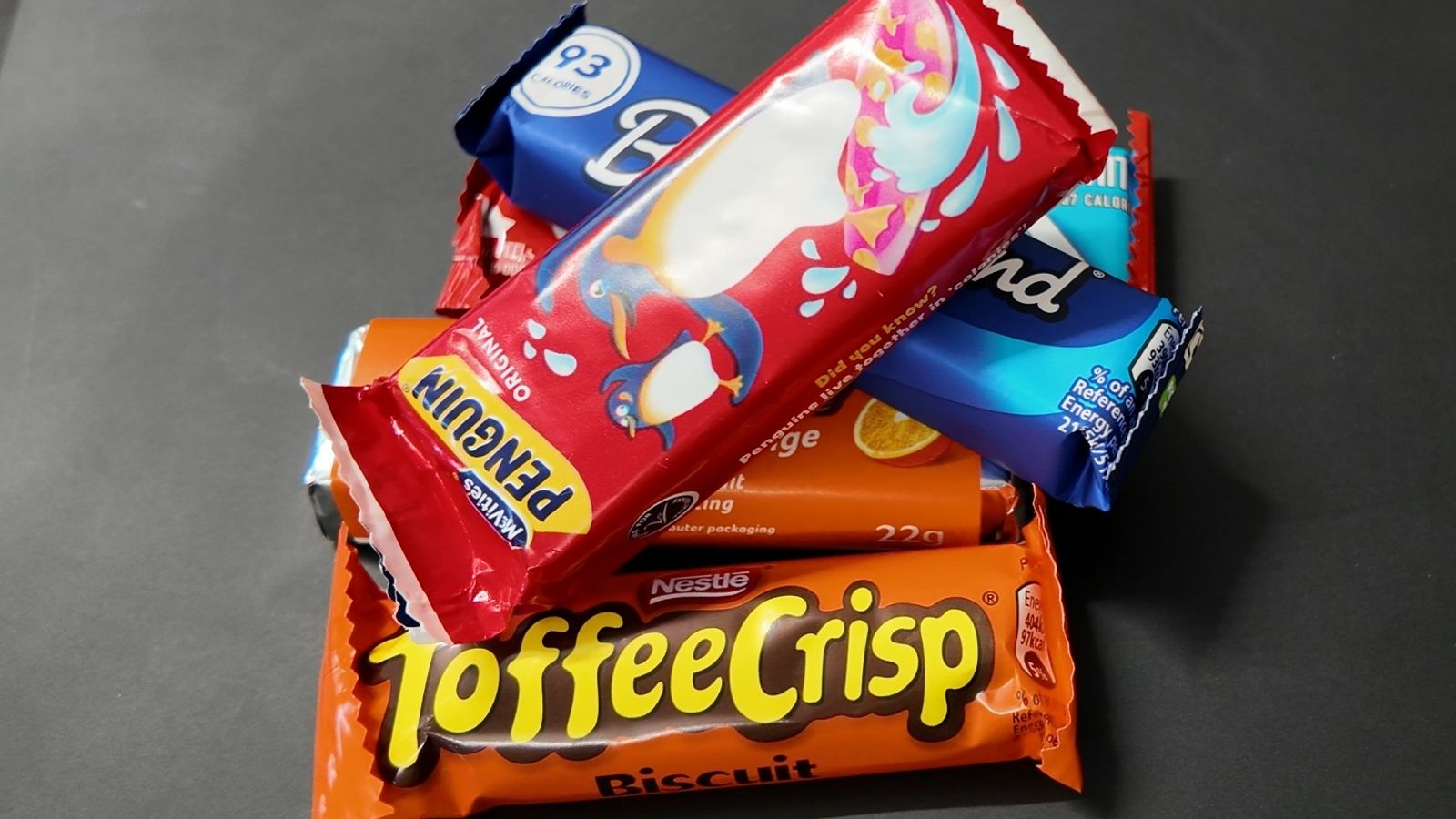
Remember when you picked up your favorite chocolate bar and noticed something odd on the wrapper? Last year, during a period of sky-high cocoa prices, shoppers across the UK began spotting a curious phrase appearing on familiar treats: “chocolate flavour bar.” It wasn’t just creative marketing—it was a sign that the chocolate industry was undergoing a significant transformation. Classic British favorites like Toffee Crisp and Blue Riband officially became “chocolate flavour” products in December, followed by beloved brands like McVitie’s Penguin, Club, and even KitKat White earlier in the year. The reason? These products no longer contained the minimum 20% cocoa solids and 20% milk solids required by UK regulations to legally be called “milk chocolate.” It was a quiet revolution on supermarket shelves, driven by manufacturers struggling with cocoa prices that had reached near-record highs. Consumers were left wondering whether they could taste the difference and, more importantly, whether their childhood favorites would ever return to their original recipes.
The Great Shrinking Act: How Your Chocolate Got Smaller
Beyond the name changes, eagle-eyed shoppers noticed something else: their chocolate was physically shrinking. This phenomenon, known as “shrinkflation,” saw popular products losing grams while their prices stayed the same or even increased. The changes were everywhere once you started looking. Celebrations tubs shed a whopping 150 grams between 2021 and 2025, while simultaneously becoming more expensive. Cadbury’s Dairy Milk lost 20 grams over four years, and Toblerone was discovered to be 20 grams lighter by September. Even the iconic Terry’s Chocolate Orange wasn’t spared, losing 12 grams while its price tag grew. Quality Street tubs, a Christmas staple in many British homes, dropped from 600 grams to 550 grams. Multipacks felt the pinch too—Freddo multipacks went from five bars to four, as did Cadbury Fudge bar packs, while KitKat two-finger milk chocolate bar multipacks shrank from 21 bars to 18. For consumers already struggling with the cost of living crisis, these changes felt like a double blow: less chocolate for more money, and in many cases, it wasn’t even technically chocolate anymore.
Why the Good News About Cocoa Prices Doesn’t Mean Good News for Your Wallet
Here’s where the story gets frustrating for chocolate lovers. Cocoa prices have dropped dramatically—they’re now more than 60% lower than a year ago, hovering around $3,150 per tonne compared to the eye-watering $12,218 per tonne reached in April 2024. Sugar prices have also fallen by about 20%. You’d think this would be cause for celebration, right? Time for manufacturers to reverse those recipe changes, add back the missing grams, and drop prices? Unfortunately, that’s not what’s happening. When Sky News contacted major chocolate manufacturers, the response was unanimous: no changes are planned. Nestle, the maker of Toffee Crisp, Blue Riband, Quality Street, and KitKat, stated clearly that there are “currently no plans to make further recipe or weight changes to our individual confectionery products.” Pladis, which produces Penguins, Club, and White Digestives, echoed this sentiment. Other major players like Terry’s, Mars (owner of Celebrations), and Mondelez (owner of Cadbury) didn’t even respond to questions about whether falling cocoa prices might lead to product improvements or price reductions.
The Complex Reality Behind Chocolate Manufacturing
The reasons behind this apparent reluctance to pass savings onto consumers are more complicated than simple corporate greed. First, there’s the matter of contracts. The chocolate industry doesn’t operate on a week-by-week basis when it comes to ingredients. When cocoa prices were volatile and climbing, manufacturers locked themselves into long-term contracts to ensure supply and enable clearer financial planning. Gemma Whitaker of Whitakers Chocolate in North Yorkshire explained that her company won’t be buying cocoa at these current lower prices until mid-2026 for products that will be made later that year and into 2027. This means the chocolate you buy this Easter is still being made from cocoa purchased at much higher prices, making immediate price drops impossible. Additionally, the recent conflicts in the Middle East have driven up oil and gas prices, which have a cascading effect throughout the supply chain. Higher energy costs affect production, and since many packaging materials are either derived from oil or require significant energy to produce, packaging costs have also increased. These rising expenses are offsetting the savings from cheaper cocoa.
The Big Players Are Less Affected Than You’d Think
Another crucial factor that many consumers don’t realize is that the large multinational chocolate companies aren’t as exposed to cocoa price fluctuations as smaller artisan producers. Dominic Simler from UK manufacturer Playin Choc explained that major brands supplying supermarkets typically use chocolate with only 14-20% cocoa content. By contrast, smaller chocolatiers often use products with around 40% cocoa content. This means cocoa isn’t actually the biggest cost for the major manufacturers—sugar and milk fat are. For these companies, the 20% drop in sugar prices might matter more than falling cocoa costs, but it still hasn’t been enough to trigger recipe reversals or price cuts. Simler suggested that smaller chocolatiers with higher cocoa percentages might be able to reduce prices, particularly on their premium products, if prices remain stable. He expressed cautious optimism about potential price reductions by Christmas, but emphasized that prices would need to “stay stable and sustained at this kind of level.” For the big players, however, the calculation is different, and Simler admitted uncertainty about what they might do, given that cocoa represents a smaller proportion of their overall costs.
What This All Means for Chocolate Lovers This Easter and Beyond
For anyone hoping to find cheaper Easter eggs this year, the news is disappointing. Easter egg prices are up 9% compared to 2025, with the typical Easter egg now costing £3.27 in 2026, according to market research from Worldpanel. Analysis from the Energy and Climate Intelligence Unit reveals an even more sobering picture: the average price of popular Easter chocolates has risen by two-thirds over three years, with some eggs more than doubling in price. The report attributes these increases to extreme weather driven by climate change, which severely damaged cocoa crops in key growing regions like Côte d’Ivoire and Ghana. Looking ahead, manufacturers like Whitakers have responded to these challenges by developing new products that are less reliant on cocoa, such as coated ginger, Brazil nuts, and various fondants. This diversification strategy suggests that even if cocoa prices remain low, the industry may have permanently shifted. The “chocolate flavour” bars and smaller pack sizes that emerged during the crisis appear to be here to stay, at least for now. For consumers, this means adjusting expectations—the chocolate landscape has changed, and despite improving cocoa prices, a return to the old days of bigger bars and higher cocoa content seems unlikely in the immediate future. The silver lining? If cocoa prices remain stable and other costs don’t continue rising, we might see some relief by Christmas, particularly from smaller producers who can be more agile in responding to market changes. But for the major brands that dominate supermarket shelves, don’t hold your breath for a return to the recipes and sizes you remember from just a few years ago.