

Armed Intruder at White House Correspondents’ Dinner: What We Know
Initial Attack and Response
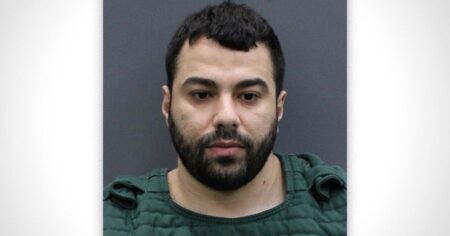
A frightening security breach unfolded Saturday evening outside the White House Correspondents’ Association Dinner when an armed man stormed a security checkpoint at the Washington Hilton hotel. The suspect, identified as 31-year-old Cole Allen from Torrance, California, came heavily armed with a shotgun, handgun, and multiple knives. As gunshots rang out, chaos erupted inside the ballroom where President Trump, Vice President JD Vance, Cabinet members, and numerous journalists had gathered for the annual event celebrating press freedom and the First Amendment. Secret Service agents immediately sprang into action, quickly evacuating the president, First Lady Melania Trump, and the vice president from the dais to safety. Other high-ranking officials in attendance, including Defense Secretary Pete Hegseth, Secretary of State Marco Rubio, and Health and Human Services Secretary Robert F. Kennedy Jr., were also rushed out of the room by their security details. During the confrontation, one Secret Service agent was injured after being shot by the suspect but was fortunately protected by a bulletproof vest, preventing serious injury. Despite the terrifying moments as dinner guests dove under tables for cover, law enforcement successfully apprehended Allen, and authorities believe he acted alone in carrying out this attack.
Investigation Reveals Potential Targeting of Administration Officials
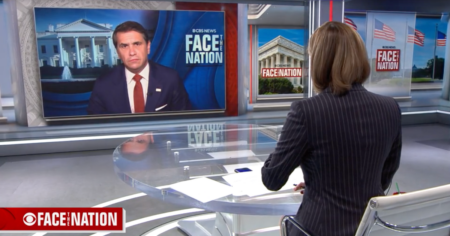
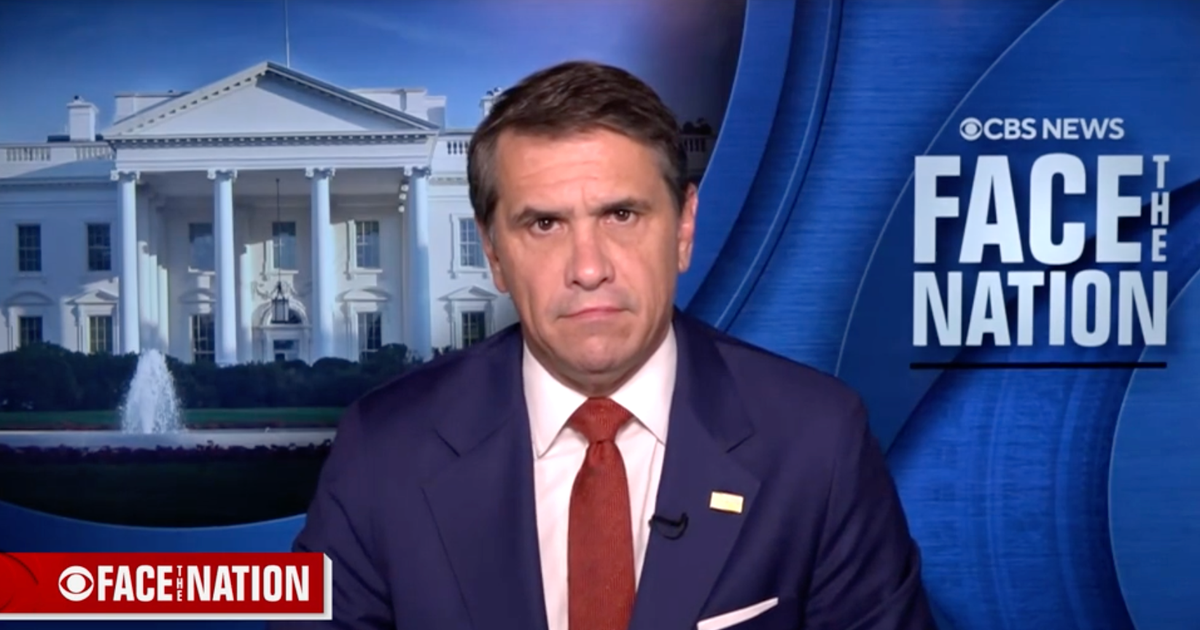
Acting Attorney General Todd Blanche provided crucial updates during a Sunday interview on “Face the Nation with Margaret Brennan,” revealing that investigators have reason to believe the attack was specifically directed at members of the Trump administration. “We do believe, based upon just a very preliminary start to understanding what happened, that he was targeting members of the administration,” Blanche stated, though he emphasized that the investigation is still in its early stages. Authorities are currently working to piece together the suspect’s motivation and have been speaking with people who knew Allen to better understand what drove him to carry out this attack. Unfortunately, the investigation has hit one significant obstacle: Allen is not cooperating with authorities, making it more challenging to determine his exact intentions and whether there were any specific individuals he planned to target. Investigators have discovered that Allen traveled a considerable distance to reach Washington, D.C., taking a cross-country train journey that began in Los Angeles, continued to Chicago, and finally brought him to the nation’s capital. Perhaps most concerning to security officials is the fact that Allen was registered as a guest at the Washington Hilton itself, the very hotel hosting the prestigious dinner, raising questions about how he managed to bring weapons into the vicinity despite security measures.
Potential Federal Charges and Legal Consequences
As the legal process moves forward, Allen faces serious federal charges that could result in substantial prison time. U.S. Attorney for the District of Columbia Jeanine Pirro announced Saturday that the suspect is expected to face two initial charges: using a firearm during a violent crime and assault on a federal officer using a dangerous weapon. However, Acting Attorney General Blanche indicated that these charges may only be the beginning, as prosecutors consider additional federal offenses depending on what the investigation uncovers. “There’s a lot of federal charges that could be in play beyond those two charges, but it depends on us understanding his motive, his intent, his premeditation of what led into him deciding he was going to do what he did,” Blanche explained. The severity of the charges Allen ultimately faces will likely depend on several factors, including whether investigators can prove premeditation, whether they can establish that he specifically targeted government officials, and what evidence emerges about his planning and preparation for the attack. Federal prosecutors are known for building comprehensive cases in situations involving attacks on government officials or security breaches at high-profile events, and this case will likely be no exception. The fact that Allen brought multiple weapons and traveled across the country to reach the event suggests a level of planning that could support more serious charges related to conspiracy or attempted assassination if evidence points in that direction.
Security Questions and Official Response
The incident has naturally raised important questions about the security protocols surrounding such high-profile events, particularly those attended by the president, vice president, and numerous Cabinet-level officials. The White House Correspondents’ Dinner is an annual tradition that brings together top government officials, journalists, and media personalities, making it a significant security challenge even under normal circumstances. Despite the breach at the outer security checkpoint, both the president and administration officials have publicly praised the Secret Service for their rapid and effective response to the threat. The quick evacuation of the president and other key figures, along with the swift apprehension of the armed suspect, demonstrated the training and preparedness of the security teams on site. However, security experts will undoubtedly conduct thorough reviews of how Allen was able to approach the checkpoint with multiple weapons and what improvements might be necessary to prevent similar incidents in the future. The fact that Allen was a registered guest at the hotel adds another layer of complexity to the security analysis, as it suggests he may have exploited his legitimate presence at the venue to get closer to his targets than would otherwise have been possible.
Presidential Response and Determination
In the aftermath of the frightening incident, President Trump addressed reporters and demonstrated a resolute attitude about continuing his duties despite the danger. The president acknowledged the inherent risks of his position, telling reporters that the presidency is a “dangerous profession,” a sobering reminder of the security threats that come with leading the nation. More significantly, Trump made it clear that the attack would not change his approach to the job or cause him to retreat from public events and engagement with the American people. This determination reflects the long history of American presidents who have continued their duties despite facing various security threats throughout the nation’s history. The president’s comments also served to reassure the public that the government continues to function normally and that such attacks will not succeed in disrupting the operations of the administration or intimidating elected officials. Trump’s response strikes a balance between acknowledging the serious nature of the threat while projecting strength and resilience, sending a message that attempts to intimidate or harm government officials through violence will not achieve their intended effect.
Ongoing Investigation and National Security Implications
As federal investigators continue their work, they face the challenging task of piecing together not only what happened but why it happened and whether there are broader security implications to consider. The fact that Allen traveled across the country by train, registered at the hotel, and brought multiple weapons suggests a level of planning that investigators will scrutinize carefully to understand whether he had assistance or acted entirely alone. Law enforcement will be examining Allen’s background, his social media presence, any communications he may have had leading up to the event, and his connections to any groups or ideologies that might have motivated the attack. The investigation also serves as a reminder of the ongoing challenges faced by law enforcement and security services in protecting high-profile government officials in an era where such individuals face threats from various sources. As the investigation develops, authorities may uncover information that leads to changes in security protocols for similar events or reveals broader patterns that require attention. For now, the focus remains on building a comprehensive case against Allen while ensuring that all potential threats have been identified and addressed. The incident serves as a stark reminder that even with extensive security measures, determined individuals can sometimes breach outer perimeters, making the rapid response capabilities of security teams all the more critical in protecting lives and maintaining the continuity of government operations.