

White House Dinner Attack Will Not Deter President Trump, Officials Say
Administration Vows to Continue Public Engagement Despite Security Scare
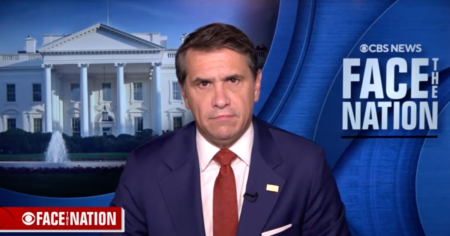
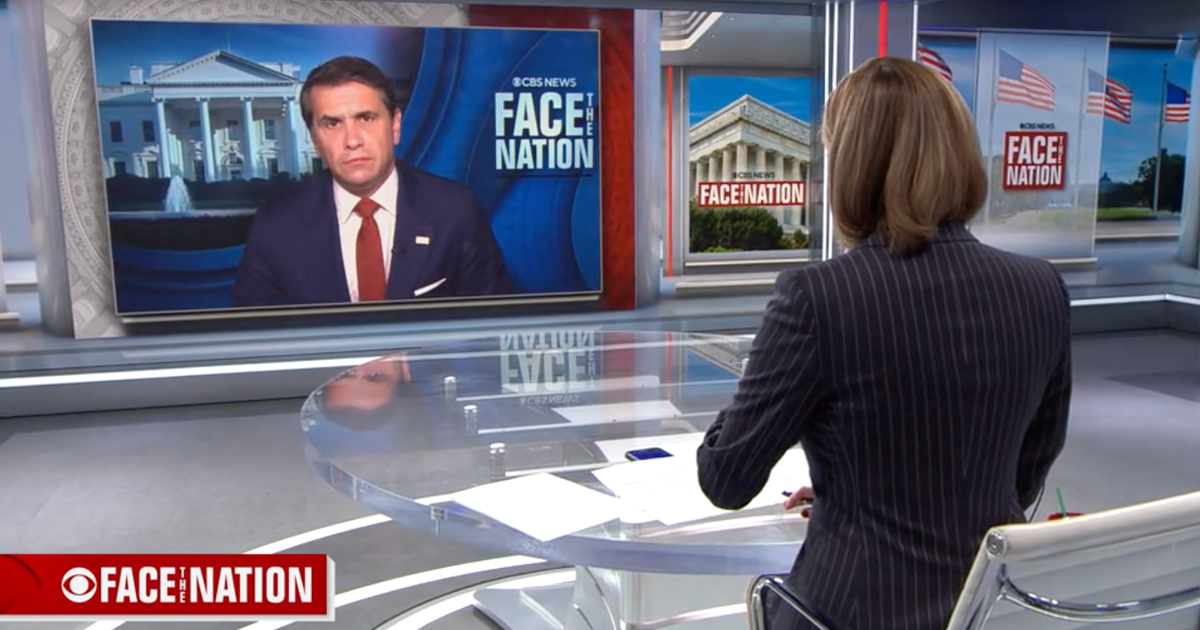
The dramatic events that unfolded at the White House Correspondents’ Association Dinner on Saturday evening have sent shockwaves through Washington, but top administration officials are making it clear that they will not be intimidated or deterred from their public duties. Acting Attorney General Todd Blanche appeared on CBS’s “Face the Nation” Sunday morning to address the nation following the frightening incident, delivering a message of resilience and determination. His words reflected not just the administration’s official stance, but what he described as a deeply personal commitment from President Trump himself: the work of governing and connecting with the American people will continue, regardless of threats or attacks.
The Washington Hilton, normally a venue for lighthearted roasting and journalistic celebration, became the scene of chaos when shots rang out during the annual dinner. The event, traditionally attended by the president, journalists, celebrities, and political figures from across the spectrum, represents one of the few occasions when Washington’s power players gather in one place for an evening of humor and unity. This year’s dinner took a terrifying turn when a lone gunman opened fire, forcing Secret Service agents to swiftly evacuate President Trump and Vice President JD Vance from the stage. The images of Cabinet officials and members of Congress diving under tables and huddling on the floor served as a stark reminder of the persistent security threats facing America’s leaders. Yet in the aftermath, the administration’s message has been unwavering: they will not be cowed by violence.
A Defiant Response to Intimidation
Blanche’s interview with Margaret Brennan provided the first comprehensive response from the administration following the attack. His words carried particular weight given his position as Acting Attorney General and his close relationship with the president. “We will not stop doing things like we did last night in this administration,” Blanche stated firmly, addressing concerns that the incident might lead to reduced public appearances or more isolated governance. “And this man, if one of his goals was to get us to be scared, he failed.” This defiant tone echoed throughout the interview, as Blanche repeatedly emphasized that the attempted attack would only strengthen the administration’s resolve to remain accessible and visible to the American public.
The Acting Attorney General went on to share what he described as President Trump’s direct response to the incident, giving Americans a window into the president’s mindset in the immediate aftermath of danger. “President Trump said last night, and he means it — and I very much agree with him — that this type of conduct will not deter him, it will not stop him from living,” Blanche explained. The use of the phrase “stop him from living” is particularly telling, suggesting that for Trump, public engagement and visibility are not merely political obligations but fundamental aspects of his identity and his approach to the presidency. Blanche made it clear that this attitude extended beyond just the president to encompass the entire administration, including Vice President Vance, Cabinet members, and even the journalists who were present at the dinner.
The Broader Security Implications
When Brennan pressed Blanche on whether there would be heightened security concerns about future events where so many high-level officials gather in one location, the Acting Attorney General acknowledged the legitimate nature of these worries while maintaining that they would not fundamentally alter how the administration operates. The White House Correspondents’ Dinner represents a unique security challenge precisely because it brings together the president, vice president, Cabinet officials, members of Congress, Supreme Court justices, and hundreds of journalists and guests all under one roof. The successful evacuation of the president and vice president, along with the protection of other attendees, demonstrated the effectiveness of Secret Service protocols, but the incident has inevitably raised questions about whether such large gatherings should continue in their current form.
Blanche’s response suggested that while security measures would certainly be reviewed and potentially enhanced, the fundamental commitment to these public events would remain unchanged. “This is something that we all are still reacting to because it’s fresh, but I assure you that the type of things you saw the president last night and the president being out there and available to the American public, that will not change because of what this guy tried to do last night,” he said. This statement reflects a broader philosophy about leadership in a democracy: that elected officials and their appointees must remain visible and accessible to the people they serve, even when that visibility comes with inherent risks.
Details About the Suspect and Potential Charges
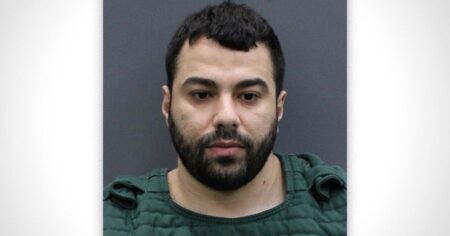
The man identified as responsible for the attack, 31-year-old Cole Allen, is now in custody and facing serious federal charges. According to U.S. Attorney for the District of Columbia Jeanine Pirro, Allen is expected to be charged with using a firearm during a violent crime and assault on a federal officer using a dangerous weapon. These charges alone carry severe penalties, but Blanche indicated during his Sunday interview that additional charges may be forthcoming as the investigation continues. The suspect is scheduled to make his first court appearance on Monday, where more details about the incident and his alleged motivations may come to light.
Blanche revealed that authorities believe Allen was specifically targeting Trump administration officials, suggesting this was not a random act of violence but a deliberate attack on government leadership. This detail raises troubling questions about political violence in America and the increasingly hostile environment facing elected officials and public servants across the political spectrum. While investigations are still in their early stages, the targeting of administration officials at a public event underscores the serious security challenges facing those in government service. The fact that Allen acted alone, according to current information, may provide some comfort that this was not part of a broader conspiracy, but it also highlights the difficulty of preventing attacks by determined individuals.
Moving Forward: Democracy Under Pressure
The attempted attack at the White House Correspondents’ Dinner comes at a time when concerns about political violence in America are already elevated. The incident serves as a sobering reminder that the threats facing American democracy are not abstract or distant—they can manifest suddenly and violently at events meant to celebrate the free press and open dialogue. Yet the response from the administration, as articulated by Blanche, suggests a determination not to allow these threats to fundamentally alter the relationship between government and the governed. The emphasis on continuing public appearances and maintaining accessibility reflects a belief that withdrawing from public view would represent a victory for those who seek to intimidate or harm.
As Americans process the events of Saturday night and await more information about the attack and the suspect’s motivations, the broader questions about security, public engagement, and the nature of leadership in dangerous times remain. The administration’s pledge to continue business as usual, while reassuring in its defiance, also comes with inherent risks that will need to be carefully managed. The balance between accessibility and security, between openness and protection, has always been delicate for American leaders, but incidents like this bring that balance into sharp focus. As Cole Allen prepares for his court appearance and as the investigation continues, the nation will be watching to see how this commitment to continued public engagement is implemented and whether security measures can be enhanced without fundamentally altering the open nature of American democracy that presidents and their teams have long sought to maintain.