
The Sobering Reality: Five Congressional Deaths Highlight America’s Aging Political Leadership
A Pattern of Loss in the 119th Congress
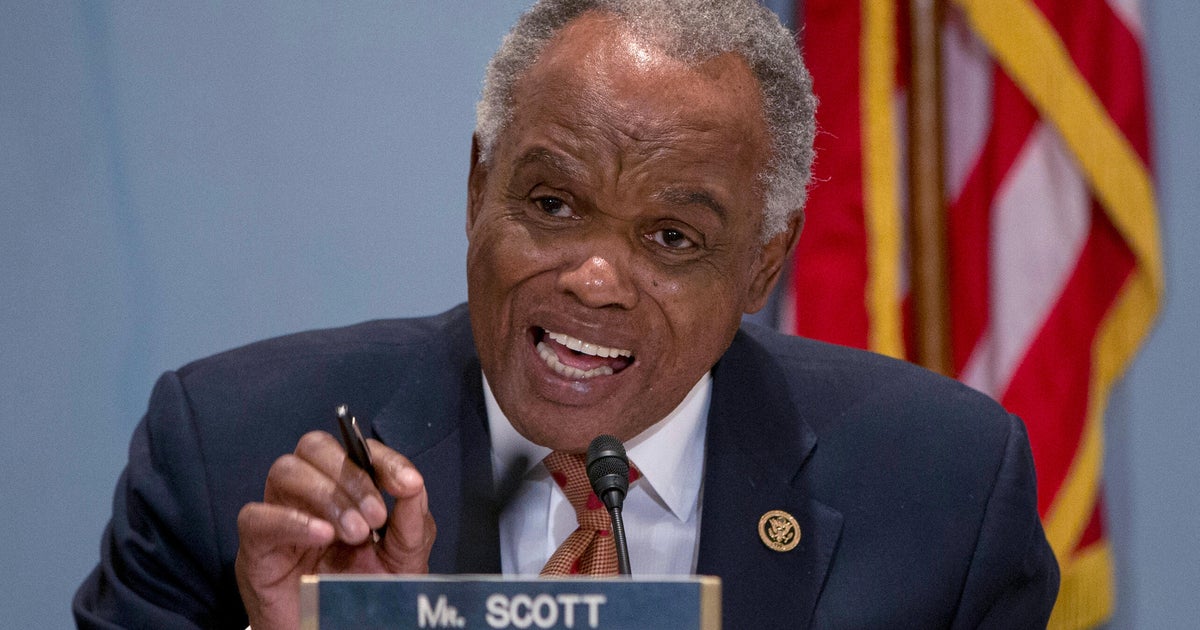
The halls of Congress have grown quieter with each passing month, as the 119th Congress has witnessed an unprecedented loss of five members since convening in January 2025. The latest to pass was Democratic Representative David Scott of Georgia, who died at age 80 after more than two decades of dedicated service to his constituents in the Atlanta suburbs. Scott’s death marks a somber milestone that has forced Americans to confront an uncomfortable truth about their political leadership: all five members who have died during this congressional session were senior citizens, ranging in age from 65 to 87 years old. This pattern isn’t just a series of unfortunate coincidences—it’s a reflection of the increasingly aging demographic of those who hold the nation’s highest legislative offices. These losses come at a particularly challenging time, as they occur against the backdrop of a razor-thin Republican majority in the House of Representatives, where every single vote can mean the difference between passing or blocking crucial legislation. With Scott’s passing, the balance now stands at 212 Democrats compared to 218 Republicans (including one GOP-leaning independent), making the absence of even one or two members potentially decisive in legislative outcomes.
David Scott’s Legacy of Service and Civil Rights Advocacy
Representative David Scott’s journey through American politics was nothing short of remarkable, spanning five decades of public service that began long before many of his colleagues ever considered running for office. First elected to the Georgia State House in 1974—a time when the wounds of the civil rights movement were still fresh and the promise of equal representation was only beginning to be realized—Scott dedicated his life to championing the causes of those who had been historically marginalized. His political career continued to ascend when he won a seat in the Georgia State Senate in 1982, where he spent two decades before making the leap to national politics in 2002. Throughout his 13 terms in Congress, Scott never forgot his roots or the communities he represented. He made history as the first Black member to chair the prestigious House Agriculture Committee, a position he used not to bask in personal glory but to tackle one of America’s most persistent problems: food insecurity among children from low-income families. His work on nutrition access programs touched countless lives, ensuring that some of America’s most vulnerable citizens had the resources they needed to thrive. Scott’s determination to seek a 13th term even as he approached his ninth decade demonstrated both his commitment to public service and, perhaps, the broader reluctance among long-serving politicians to pass the torch to younger generations.
The Other Fallen Members: Stories of Service Cut Short
The four other members who preceded Scott in death each brought their own unique contributions to American governance, and their losses have left distinct voids in Congress. Republican Representative Doug LaMalfa of California, the youngest of the five at just 65, died in January 2026 during what should have been a routine surgery following a medical emergency. As a fourth-generation rice farmer who spent more than a decade representing northern California’s rural communities, LaMalfa understood the challenges facing agricultural America in ways that few of his urban-dwelling colleagues could. His death was particularly shocking given his relative youth compared to his colleagues. Democratic Representative Gerry Connolly of Virginia, who passed at 75 on May 21, 2025, had recently made the difficult decision to step back from his prominent role as the top Democrat on the House Oversight Committee when his cancer returned. Connolly’s announcement that he wouldn’t seek reelection in 2026 came just weeks before his death, giving his constituents and colleagues little time to prepare for his loss after his 16 years of service since 2009.
Democratic Representative Raúl Grijalva of Arizona fought his battle with cancer while trying to maintain his congressional duties, ultimately succumbing on March 13, 2025, at age 77. Grijalva had been notably absent from votes since the beginning of the 119th Congress, a sign of the severity of his illness. His 22 years of service since 2003 had made him a respected voice on issues affecting his southwestern constituency. Perhaps most tragically, Democratic Representative Sylvester Turner of Texas died on March 4, 2025, at age 70—mere weeks after taking office and beginning what should have been an exciting new chapter in his political career. Turner had successfully served as Houston’s mayor from 2016 to 2024, bringing that executive experience to the legislative branch. In a painful twist of fate, Turner had won his House seat following the death of another member: Democratic Representative Sheila Lee Jackson, who died from cancer in July 2024 at age 74, creating the very vacancy that Turner filled.
The Broader Context: An Aging Congress and Its Implications
These five deaths during the current Congress, following four deaths during the previous 118th Congress (which included members aged 65 to 90), have sparked renewed conversation about the age of America’s political leadership. The most prominent example from the previous Congress was the late Democratic Senator Dianne Feinstein of California, whose determination to remain in office despite what many observers described as evident cognitive and physical decline became a source of significant frustration within her own party. Feinstein’s situation highlighted the delicate balance between respecting the accomplishments and wisdom of senior leaders and acknowledging when health concerns might impair their ability to effectively represent constituents. The statistics paint a striking picture: when the 119th Congress convened in January 2025, the Pew Research Center documented that 117 House and Senate members were over the age of 70, with 19 having passed the 80-year threshold. These numbers represent a significant portion of the legislative body charged with making decisions that will shape America’s future for decades to come, raising questions about whether the perspectives and priorities of younger Americans are adequately represented in the nation’s highest legislative chambers.
The Political Calculus: When Every Seat Matters
Beyond the human tragedy of these losses and the policy expertise that departed with these experienced legislators, their deaths have created a practical political challenge that affects the fundamental functioning of American democracy. The narrow Republican majority means that Speaker Mike Johnson and House GOP leadership must carefully manage their caucus, knowing that unexpected absences due to illness, family emergencies, or other commitments can derail their legislative agenda. Each death triggers a special election process that can take months to complete, leaving districts unrepresented and the House operating with vacant seats during the interim period. This reality has been particularly acute for Democrats, who now find themselves with 212 seats—six fewer than the Republicans’ 218. In this environment, bipartisan cooperation becomes not just ideologically desirable but mathematically necessary for certain types of legislation. The deaths also create uncertainty for constituents who may go extended periods without full representation while special elections are organized and conducted, a situation that feels especially unjust given that these Americans continue to pay federal taxes and remain subject to federal laws despite their diminished voice in Congress.
Looking Forward: The Need for Difficult Conversations
The succession of deaths in Congress forces Americans to grapple with questions that many would prefer to avoid, questions that touch on ageism, term limits, succession planning, and the very nature of representative democracy. Is there an age at which politicians should voluntarily step aside, regardless of their mental acuity or physical health? Should there be mandatory health assessments or cognitive testing for members beyond a certain age? How can political parties and constituents have honest, compassionate conversations with long-serving members about transition and legacy without appearing disrespectful or ageist? These aren’t easy questions, and they don’t have simple answers. Many of America’s most effective legislators have been senior citizens who brought decades of experience, institutional knowledge, and hard-won wisdom to their work. Yet the pattern of deaths, serious illnesses, and evident decline among aging members suggests that the current system—which places virtually no limits on how long members can serve regardless of their health—may need reconsideration. As Americans process the loss of these five dedicated public servants, perhaps the most fitting tribute would be to engage in the thoughtful, honest dialogue about political succession and leadership transitions that these deaths have made impossible to ignore. The legacy of David Scott, Doug LaMalfa, Gerry Connolly, Raúl Grijalva, and Sylvester Turner should include not just their policy accomplishments but also the crucial conversations their passing has sparked about ensuring American democracy remains vibrant, representative, and effective for generations to come.