
Military Spouse Detained by ICE to Be Released After Public Outcry
A Soldier’s Relief: Freedom for a Military Family
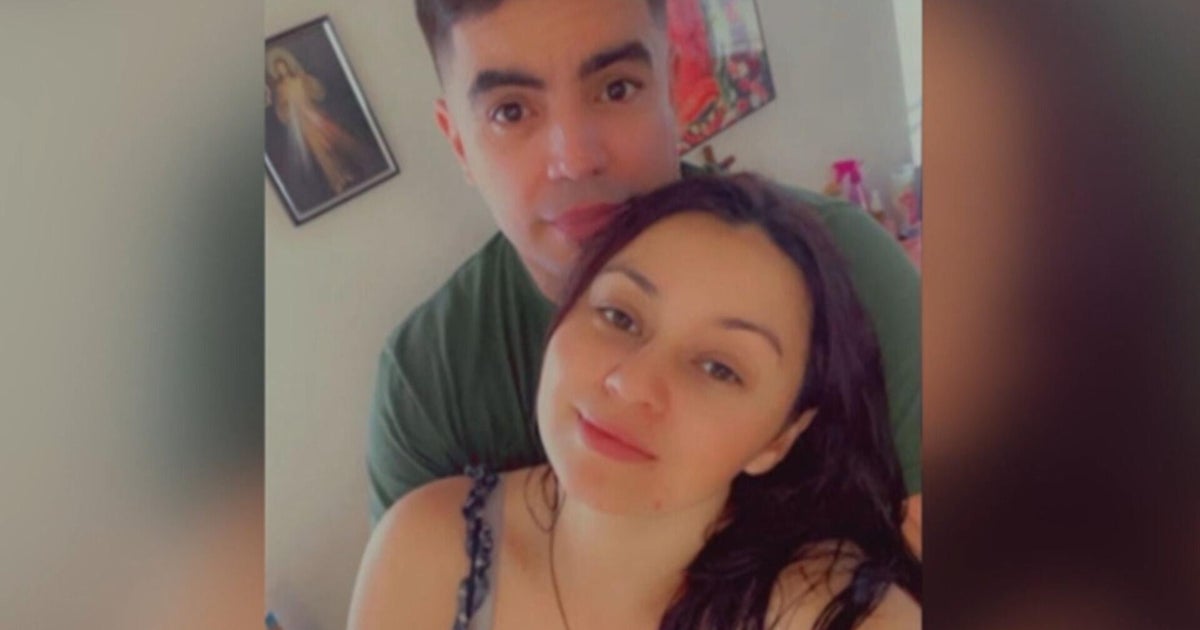
In a case that has drawn national attention to immigration enforcement policies affecting military families, the wife of a decorated U.S. Army soldier is set to be released from federal custody following her unexpected detention by Immigration and Customs Enforcement (ICE). Sgt. First Class Jose Serrano, a 27-year veteran of the U.S. Army who has served his country through three deployments in Afghanistan, received the welcome news on Wednesday that his wife, Deisy Rivera Ortega, would be freed from an ICE detention center in El Paso, Texas. The emotional soldier told CBS News he was “really happy” and didn’t expect to sleep that night as he awaited his wife’s return. This development brings a measure of relief to a family that has been thrust into the spotlight, highlighting the complex intersection of immigration policy and military service, and raising questions about how the United States treats the families of those who serve in uniform.
The Arrest That Shocked a Military Family
The ordeal began on April 14 when Rivera Ortega, a native of El Salvador who had been living in the United States for a decade, was arrested during what should have been a routine immigration appointment. She had been attending a meeting related to her pending application for a program known as Parole in Place, specifically designed to protect military spouses and parents from deportation. The program exists precisely to provide immigration relief to family members of those serving in the U.S. armed forces, recognizing the unique sacrifices military families make. Instead of moving forward with her application for protection, Rivera Ortega found herself in ICE custody, separated from her family and facing the possibility of removal from the country where she had built her life alongside her soldier husband. The arrest sent shockwaves through the military community and raised immediate concerns about whether immigration enforcement was appropriately considering the circumstances of military families when making detention decisions.
The Government’s Explanation and Legal Complications
According to the Department of Homeland Security, Rivera Ortega’s detention was based on a deportation order dating back to 2019. Officials stated that she had been convicted of entering the United States illegally, which is classified as a federal misdemeanor. This prior order became the legal justification for her arrest, despite her current application for protection under the Parole in Place program for military families. However, the situation was further complicated by the fact that Rivera Ortega had been granted a legal protection in 2019 that prevented her from being deported specifically to El Salvador, her country of origin. This protection meant that if she were to be removed from the United States, she couldn’t be sent back to El Salvador. According to Serrano, he was informed by authorities that his wife could potentially be sent to a third country, such as Mexico, where she has no family connections, no support system, and no ties whatsoever. This possibility added another layer of concern to an already distressing situation, as it would have effectively exiled her to a country where she would be alone and without resources, separated not only from her husband but potentially making it even more difficult for the family to reunite or for her to seek legal remedies.
A Veteran’s Service and Sacrifice
Sgt. First Class Jose Serrano’s military record speaks volumes about his commitment to the United States. With 27 years of service in the U.S. Army, including three dangerous deployments to Afghanistan during America’s longest war, Serrano represents the dedication and sacrifice that military families make on behalf of the nation. During his deployments, he faced the constant dangers of combat while his family worried and waited at home, never knowing if he would return safely. Like thousands of other military families, the Serranos have endured the strain of long separations, the stress of wartime service, and the challenges of military life. These families often move frequently, adjust to new communities, and deal with the unique pressures that come with having a loved one in uniform. The irony of having served his country faithfully for nearly three decades, only to have his wife detained and threatened with deportation, was not lost on Serrano or the many people who learned of his family’s situation. His case became a powerful example of what critics describe as an immigration system that sometimes fails to account for the human dimension of enforcement actions, particularly when those affected are families of servicemembers who have put their lives on the line for America.
Public Attention and the Path to Release
When Serrano first revealed his wife’s detention to CBS News earlier in the week, the story quickly gained traction, drawing attention from media outlets, military advocacy groups, and concerned citizens across the country. The case touched a nerve with many Americans who found it difficult to reconcile the image of a soldier who had served multiple combat deployments with the reality of his spouse being held in immigration detention. The public response appeared to play a role in the eventual decision to release Rivera Ortega, though the Department of Homeland Security has not provided detailed comments about the factors that led to this outcome. CBS News reached out to DHS representatives for comment on the release, seeking clarification on the decision-making process and whether policy considerations regarding military families influenced the outcome. The case has reignited broader conversations about immigration enforcement priorities, the treatment of military families within the immigration system, and whether special considerations should be standard practice when dealing with relatives of active-duty servicemembers and veterans. Many advocates argue that families like the Serranos deserve particular consideration given their service and sacrifice for the country.
Looking Forward: Questions About Policy and Protection
While the Serrano family can now look forward to being reunited, their experience raises important questions about immigration policy and its implementation, particularly concerning military families. The Parole in Place program exists specifically to provide immigration relief to military spouses and family members, recognizing that servicemembers shouldn’t have to choose between serving their country and being separated from their loved ones. Yet Rivera Ortega’s arrest during an appointment related to her application for this very program suggests potential gaps between the program’s intent and its execution. Moving forward, military families, advocacy organizations, and policymakers will likely examine this case to determine whether changes are needed to better protect servicemembers’ relatives from similar situations. Questions remain about how immigration enforcement agencies prioritize cases, what discretion officers have when dealing with military families, and whether the existence of old deportation orders should automatically override considerations related to current military service and pending applications for protection. For the Serrano family, the immediate future brings relief and reunion, but their experience has become part of a larger national conversation about how America treats those who serve and the families who support them. As Sgt. First Class Serrano prepares to welcome his wife home, their story serves as a reminder of the complex human realities behind immigration statistics and the need for policies that honor both the rule of law and the contributions of military families.