
Understanding the Gas Price Crisis and America’s Strategic Oil Reserve
Dramatic Price Increases Hit American Drivers Hard
American motorists are feeling significant pain at the pump as gas prices have skyrocketed by approximately 20% since tensions with Iran escalated into armed conflict. What was once a relatively manageable $2.92 per gallon just a month ago has surged to $3.54, leaving families and commuters struggling to adjust their budgets accordingly. This sharp increase isn’t happening in isolation – it’s directly tied to the dangerous situation unfolding in the Middle East, specifically around the Strait of Hormuz, a narrow waterway that serves as a critical artery for global oil transportation. About one-fifth of the world’s entire oil supply passes through this strategic chokepoint every single day, so when shipping through the strait becomes uncertain or dangerous, the effects ripple outward to gas stations in cities and towns across America. While President Trump has attempted to reassure oil shippers that the passage will remain safe and has even offered government insurance through the U.S. International Development Finance Corporation, the uncertainty has already done its damage to markets and consumer confidence. The president’s recent comment that the conflict with Iran is “very complete” did provide some temporary relief, causing oil prices to drop from nearly $100 per barrel to around $88.15, but crude oil still remains significantly elevated compared to the $70 per barrel range we saw before hostilities began.
The Strategic Petroleum Reserve: America’s Emergency Oil Safety Net
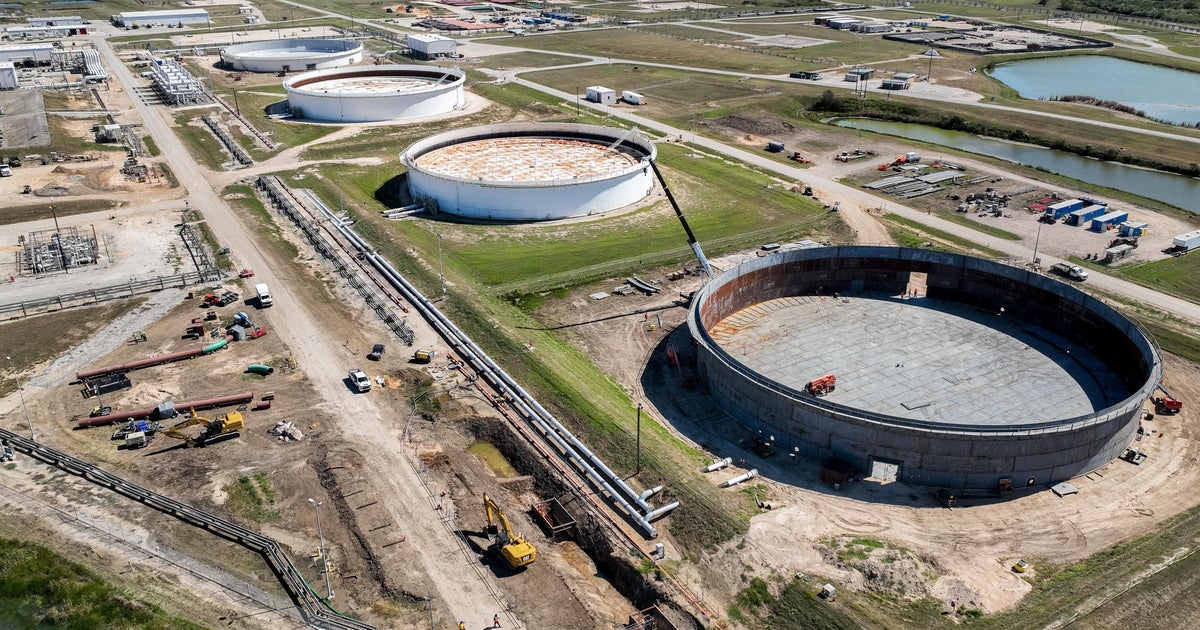
Facing this crisis, government officials are considering various options to provide relief, and one of the most discussed solutions is tapping into the Strategic Petroleum Reserve, commonly known as the SPR. This massive emergency stockpile was created nearly fifty years ago in 1975 following the energy crisis of the 1970s, which taught American policymakers a harsh lesson about the vulnerability of depending on foreign oil without any backup plan. Energy Secretary Chris Wright has indicated the administration is “more than happy” to utilize this resource, though he remains optimistic that prices won’t climb much higher because global oil supplies remain relatively robust. But what exactly is this reserve, and how does it work? The SPR is essentially an insurance policy for the nation – a vast network of underground storage facilities carved into salt caverns deep beneath Texas and Louisiana. These enormous natural vaults can hold up to 714 million barrels of crude oil, strategically positioned near roughly half of America’s refining capacity so the oil can quickly reach the facilities that turn crude into gasoline, diesel, and other petroleum products. Currently, the reserve contains about 415 million barrels, down from its peak capacity due to previous releases, most notably the historic drawdown ordered by the Biden administration in 2022.
How the Reserve Works and Its Previous Uses
The Strategic Petroleum Reserve was specifically designed to provide petroleum supplies during temporary disruptions to the nation’s oil supply, whether caused by natural disasters like hurricanes or geopolitical events like wars. As Kevin Book, an energy analyst and managing director at ClearView Energy Partners, explained, it was created to release oil to refiners when they otherwise couldn’t obtain it through normal channels. The system has been activated several times throughout its history, including during the 1991 Gulf War, in the aftermath of Hurricane Katrina in 2005, during the Libyan conflict in 2011, and most recently in 2022 when the Biden administration authorized the release of roughly 200 million barrels to combat gas prices that had soared to $5 per gallon – the largest SPR release in American history. However, there are important limitations to understand about this emergency resource. As Bernard Yaros, lead U.S. economist at Oxford Economics, points out, the reserve is meant for temporary disruptions, not prolonged conflicts. If the situation with Iran continues for an extended period, the SPR alone cannot solve the problem. Additionally, the reserve’s impact is significantly enhanced when used in coordination with other nations’ strategic stockpiles, creating a larger collective response to global supply disruptions.
International Coordination Remains Uncertain
The effectiveness of tapping the Strategic Petroleum Reserve would be greatly amplified if the United States coordinated its release with other major economies that maintain their own emergency oil stockpiles. When multiple countries simultaneously release oil and signal to markets that they’ll continue doing so to fill the supply gap created by a conflict, the psychological and practical impact on prices is much more substantial than any single country acting alone. This coordinated approach creates what economists call “more bang for your buck” in terms of influencing global oil prices. However, international cooperation on this front remains uncertain. Finance ministers from the Group of Seven (G7) nations – which includes the United States, Canada, Japan, Italy, Britain, Germany, and France – met on Monday and indicated they are not yet ready to release their strategic reserves. According to a G7 official who spoke with Reuters, it wasn’t that any particular country opposed the idea, but rather that the timing isn’t right and more analysis is needed before such a significant step is taken. This hesitation is understandable given that once these reserves are depleted, countries become more vulnerable to future disruptions, and refilling the stockpiles takes time and resources.
The Limitations of the SPR as a Solution
While tapping the Strategic Petroleum Reserve could certainly help soften the blow of high gas prices, experts caution that it’s far from a complete solution to the current crisis. The fundamental problem is one of scale and duration. Approximately 20 to 25 million barrels of oil move through the Strait of Hormuz every single day. Even if the United States released every single barrel currently held in the SPR – all 415 million barrels – that would only equal about three weeks’ worth of the oil that typically flows through the strait. Petroleum analyst Patrick De Haan put it bluntly: using the SPR could temporarily soften prices, but it won’t solve the underlying problem, and once the oil is gone, the United States would be even more vulnerable to future disruptions. There are also practical limitations to consider. It takes 13 days for oil released from the SPR to actually hit the market, according to energy analyst Sasha Foss, so there’s no immediate relief even once the decision is made. Furthermore, there are physical limits on how much oil can be released per day from the underground caverns. As Nicholas Mulder, a Cornell University professor who studies the economic impacts of wars and sanctions, explained: “The SPR can help, but it’s not a silver bullet, and it’s not going to take away all the pressure on consumer prices.”
The Real Solution: Reopening Safe Passage Through the Strait
Ultimately, most energy experts agree that the most effective way to bring oil and gas prices back down to reasonable levels isn’t through emergency stockpile releases or other temporary measures – it’s resolving the root cause of the supply disruption. That means reopening the Strait of Hormuz and making it genuinely safe for oil tankers to transit. As energy market expert Adi Imsirovic pointed out, if war insurance is provided and shipping companies feel confident that their vessels and crews won’t be attacked, some ships that are already loaded with oil will be willing to make the journey just to deliver their cargo and get out of the danger zone. This would immediately begin restoring normal oil flows and relieving pressure on global supplies. The insurance offer from the Trump administration through the U.S. International Development Finance Corporation represents an attempt to encourage this resumption of shipping, but the effectiveness of this approach depends entirely on whether ship owners and operators believe the strait is actually safe enough to risk their valuable vessels and the lives of their crews. Until that fundamental security issue is resolved – either through diplomatic means, military escorts, or a cessation of hostilities – the world will continue facing constrained oil supplies, elevated prices, and economic uncertainty. American drivers, unfortunately, will continue feeling the effects of this distant conflict every time they fill up their tanks, regardless of how much oil is released from the Strategic Petroleum Reserve.