



A California Couple’s Nightmare: How One Typo Nearly Cost Them Their Dream Home
The Email That Changed Everything
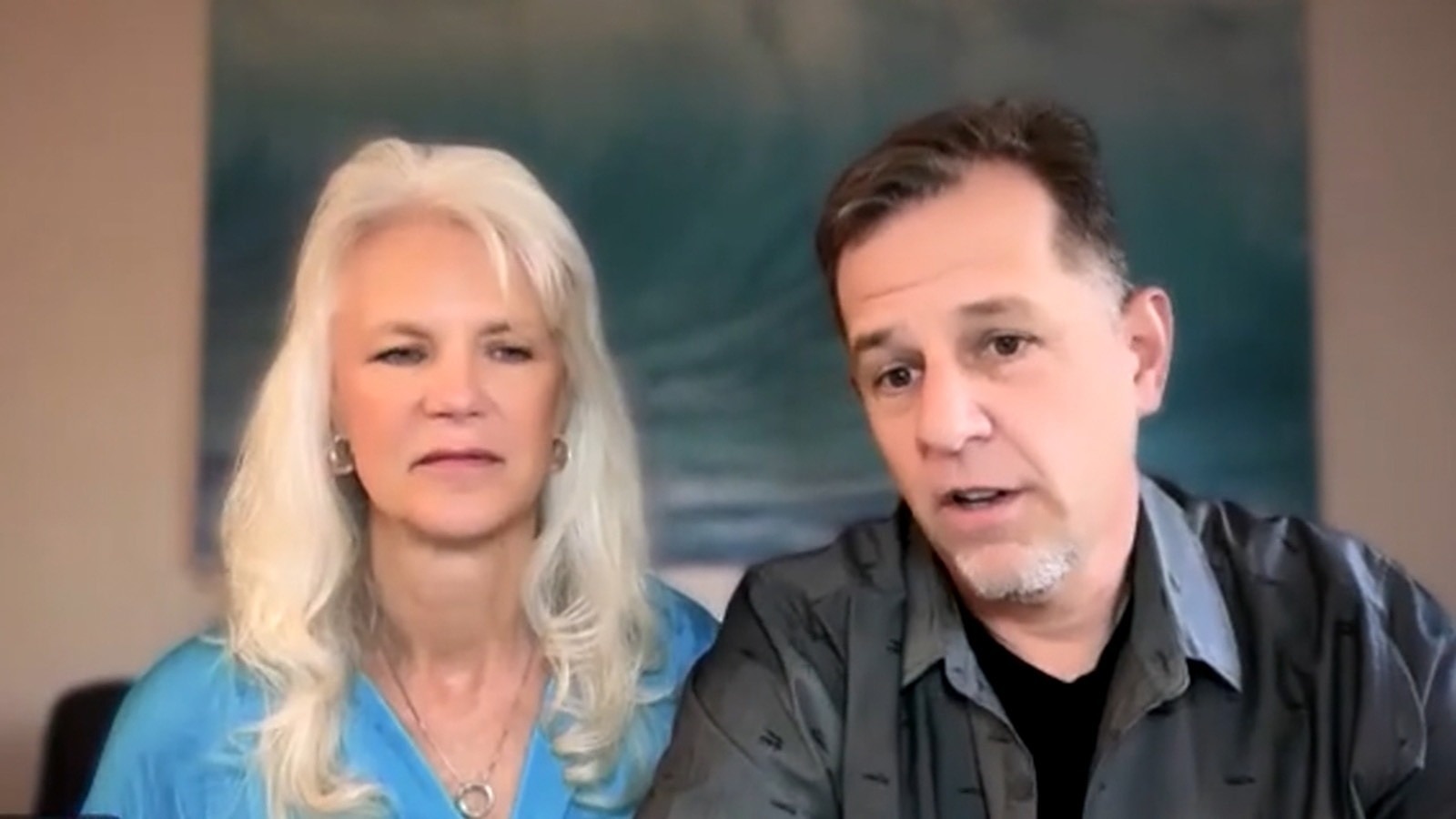
In an era where most of our important transactions happen online, a Southern California couple learned a devastating lesson about digital fraud that nearly derailed their home-buying dreams. Lynette and Scott, who preferred to keep their last names private when speaking to ABC News, experienced every homebuyer’s worst nightmare when they were preparing to make a down payment on their new home. They had been communicating regularly with their mortgage broker through email, building trust and moving through the familiar process of securing their future. Everything seemed routine and legitimate until they received what appeared to be a standard message from their broker requesting the transfer of their down payment funds. The email looked exactly like all the previous correspondence they had received – same format, same logo, same professional tone. But hidden within that seemingly innocent message was a subtle trap that would temporarily rob them of hundreds of thousands of dollars and countless hours of stress and anxiety.
The Devil in the Details: A Single Character Makes All the Difference
What made this particular fraud so insidious was its simplicity and sophistication at the same time. As Scott explained to ABC News reporter Aaron Katersky, the fraudulent email “was an exact duplicate of any correspondence that we’ve had with the company before. It was identical, but for one keystroke.” That single keystroke difference was so minor that it would be easy for anyone to miss, especially when dealing with the excitement and stress of buying a home. The scammers had changed just one element of the email address: instead of coming from “escrow.com,” the email originated from “escrovv.com” – using two letter V’s where a W should have been. Lynette pointed out this nearly invisible detail, noting how clever and deceptive the tactic was. To the untrained or rushed eye, especially on a mobile device or when quickly scanning emails, the difference between “escrow.com” and “escrovv.com” is almost imperceptible. The fraudsters had clearly done their homework, monitoring the couple’s legitimate email exchanges and timing their attack perfectly to intercept the down payment transfer.
The Moment of Devastating Realization
After Scott and Lynette sent their hard-earned money to what they believed was their legitimate escrow account, they followed their normal procedure of confirming with their mortgage broker that the funds had been received. That’s when their world came crashing down. The broker informed them that no money had arrived. The sickening realization that they had been scammed began to set in slowly, as their minds struggled to accept what had happened. “The reality just slowly sets in, like, this could not possibly have happened to us,” Lynette recalled, describing that terrible moment when hope turned to horror. Scott added emotional context to their immediate response, saying, “We consider ourselves technologically literate, but we knew at that moment that we were over our head. We literally stopped and we prayed, and then we called the police.” This couple’s reaction highlights an important truth: cyber fraud can happen to anyone, regardless of their technical knowledge or intelligence. The scammers weren’t successful because Scott and Lynette were careless or uninformed; they succeeded because they had created a nearly perfect imitation of legitimate communication and struck at precisely the right moment when the couple expected to be making this exact transaction.
Racing Against the Clock: The 72-Hour Window
Fortunately for Scott and Lynette, they lived in Orange County, which operates one of Southern California’s only dedicated cyber crimes investigative units. This proved to be crucial in their case. Orange County Sheriff Don Barnes emphasized to ABC News just how critical timing is in these situations: “The quicker you recognize it and then take immediate action is key. The likelihood of recovering that money is almost zero after about 72 hours.” This sobering statement reveals the harsh reality of digital fraud – once money enters the digital underground, it can be moved, converted, and laundered at lightning speed across multiple accounts, jurisdictions, and even currencies. The 72-hour window exists because investigators need to act fast to freeze accounts, trace transactions, and work with financial institutions before the money disappears into untraceable channels. According to the Federal Housing Finance Agency, the type of fraud Scott and Lynette experienced is known as Business Email Compromise, or BEC, and it represents one of several cyber fraud schemes targeting home financing transactions. In BEC schemes, criminals either create spoofed email accounts that look nearly identical to legitimate ones, or they actually compromise real email accounts belonging to financial institutions, businesses, nonprofits, or government entities. Their goal is simple but devastating: trick victims into sending money or sharing sensitive personal information that can be exploited.
A Partial Victory: Recovery and Relief
Thanks to the quick response from both Scott and Lynette and the Orange County Sheriff’s Office cyber crimes unit, investigators were able to trace where the stolen money had gone and begin the recovery process. After what the couple described as several anxious months of uncertainty, they received news that most people in their situation never hear: they would get most of their money back. “There was about 10% of the money that apparently had gotten translated into Bitcoin, and that was gone-gone. But close to 90% of our funds came back to us. It was like a dream,” Scott said with obvious relief. While losing 10% of hundreds of thousands of dollars is still a significant financial blow, recovering 90% represented an almost miraculous outcome compared to what most fraud victims experience. The portion that had been converted to Bitcoin highlights another challenge in fighting digital fraud – cryptocurrency transactions are extremely difficult to trace and virtually impossible to reverse, making them a favorite tool for criminals looking to launder stolen funds quickly. Despite this partial loss, Scott and Lynette considered themselves fortunate, knowing that many victims of similar schemes never recover anything at all. Their case serves as both a warning and a beacon of hope: while these scams are sophisticated and dangerous, quick action combined with dedicated law enforcement can sometimes turn a complete disaster into a survivable setback.
Protecting Yourself: Trust But Verify
Scott and Lynette’s experience offers valuable lessons for anyone involved in real estate transactions or any situation involving large financial transfers. Kimber White, President of the National Association of Mortgage Brokers, provided clear guidance to ABC News on how consumers can protect themselves: “Before you send anything, pick up the phone. Call your mortgage broker, call your realtor, trust and verify.” This simple advice could save thousands of people from similar devastating experiences. The National Association of Mortgage Brokers recommends that customers take multiple precautions to verify any request for money or sensitive information. Never rely solely on email for confirming payment instructions, especially for large sums. Always call using a phone number you’ve independently verified – not one provided in a potentially fraudulent email. Ask questions that only your legitimate contact would know the answers to. Be suspicious of any last-minute changes to payment instructions or accounts. Take time to carefully examine email addresses character by character, looking for subtle substitutions like the VV for W that fooled Scott and Lynette. Set up verbal passwords or security questions with your real estate professionals in advance. And perhaps most importantly, never let urgency or pressure override your caution. Legitimate professionals will understand and appreciate your diligence. As our lives become increasingly digital and more of our most important transactions happen through screens rather than face-to-face, the human element of verification – a simple phone call, a personal conversation – becomes not just helpful but essential in protecting ourselves from sophisticated criminals who exploit our trust and the impersonal nature of digital communication.