
Rising Antisemitism in Britain: A Community Living in Fear
Growing Concerns Over Jewish Safety Following London Attacks
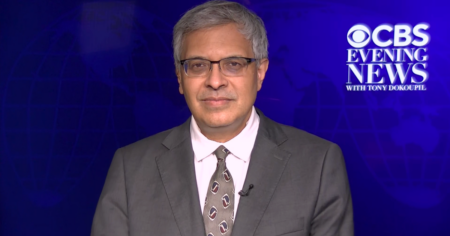
The safety of Britain’s Jewish community has become a pressing national concern following a series of violent attacks that have shaken the very foundation of security for Jewish residents across the country. The most recent incident involved the stabbing of two Jewish men in Golders Green, a London neighborhood known as a hub of Jewish life in Britain, which police have classified as an act of terrorism. A 45-year-old man now faces attempted murder charges in connection with this Wednesday attack. This horrifying event is not an isolated incident but rather part of a deeply troubling pattern that includes recent arson attacks targeting synagogues and other Jewish institutions throughout the British capital. The accumulation of these hate crimes has created an atmosphere of fear and uncertainty among Jewish residents, many of whom now question whether they can safely walk the streets of their own neighborhoods. One Orthodox Jewish resident captured this pervasive anxiety perfectly when speaking to CBS News, describing the “utter horror” of living in constant fear, always looking over one’s shoulder, wondering if the next attack might be around the corner. The question that haunts many in the community isn’t just about staying safe in Britain—it’s about whether there’s anywhere left in the world where Jews can live without fear of violence.
Government Response and Call for Tougher Action
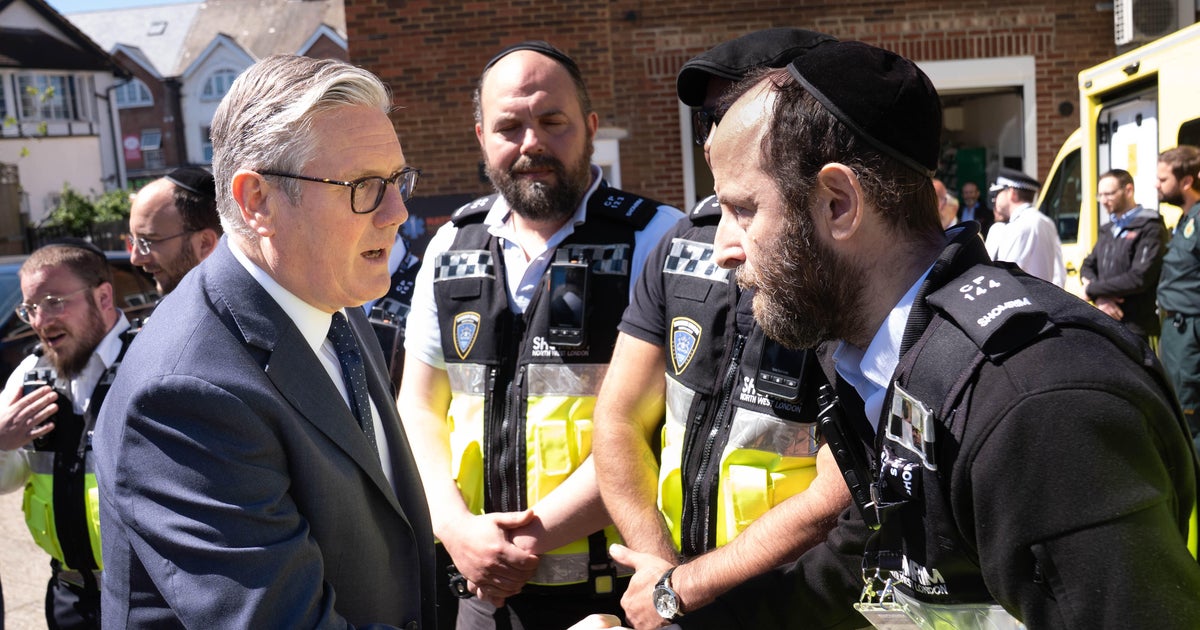
Prime Minister Keir Starmer has responded to this crisis by calling for stronger measures against those who use inflammatory language at pro-Palestinian protests, though he emphasized his continued support for the right to peaceful demonstration. In a BBC interview, Starmer suggested that there may be circumstances where certain marches protesting the war in Gaza should be banned altogether, arguing that the repeated nature of these demonstrations has created a “cumulative effect” that correlates with the dramatic rise in antisemitic incidents across the United Kingdom. The Prime Minister specifically highlighted chants like “globalize the intifada”—with intifada being an Arabic word meaning “uprising”—as examples of rhetoric that should face tougher consequences. This represents a delicate balancing act for the government, which must protect the fundamental right to free speech and peaceful protest while also ensuring that such gatherings don’t become platforms for hate speech that threatens the safety and wellbeing of an entire community. The challenge lies in drawing clear lines between legitimate political expression regarding the Israeli-Palestinian conflict and language that crosses into dangerous territory by inciting violence or promoting hatred against Jewish people as a whole. This debate reflects broader tensions in British society about how to navigate complex international issues while maintaining domestic harmony and protecting all citizens regardless of their background or beliefs.
An Unprecedented Threat Level
The severity of the current situation became even more apparent when Britain’s official terror threat level was elevated from “substantial” to “severe” following the Golders Green stabbing attack. This designation, which sits at the second-highest position on a five-point scale, indicates that intelligence agencies believe another attack is highly likely to occur within the next six months. Government officials clarified that this elevation wasn’t based solely on the recent stabbing but reflects a broader assessment of increased danger from both Islamist and extreme right-wing terrorist threats emanating from individuals and small groups operating within the United Kingdom. This escalation in the threat level represents a stark acknowledgment by authorities that the danger facing British Jews has reached unprecedented levels. Mark Rowley, the head of the Metropolitan Police and the UK’s most senior police officer, delivered a chilling assessment of the situation, warning that British Jews now face their greatest ever threat. His analysis painted a disturbing picture of Jewish people finding themselves targeted by virtually every extremist group that spreads hate in the country. As Rowley explained, Jews have become the focus of extreme right-wing groups, extreme left-wing factions, Islamist terrorists, right-wing terrorists, and even hostile foreign states, with Iranian-related threats adding another layer of danger. He described this convergence of hatred from multiple directions as a “ghastly Venn diagram” with the Jewish community trapped at the center, facing threats from all sides simultaneously.
The Role of Social Media in Spreading Hate
Beyond the immediate physical threats, Metropolitan Police Chief Mark Rowley also highlighted the role of social media in making antisemitism more mainstream and acceptable than ever before. The digital age has transformed how hatred spreads, with platforms that were meant to connect people instead becoming vehicles for the rapid dissemination of extremist ideologies and antisemitic propaganda. Social media algorithms can create echo chambers where hateful views are reinforced and normalized, while the anonymity afforded by online platforms emboldens individuals to express views they might not voice in person. This digital dimension of antisemitism represents a particular challenge for law enforcement and policymakers, as traditional methods of combating hate speech and extremism struggle to keep pace with the speed and reach of online communication. The concern isn’t just about explicit calls for violence but also about the gradual normalization of antisemitic tropes and conspiracy theories that can desensitize people to hatred and potentially inspire real-world violence. The combination of online radicalization and offline attacks creates a vicious cycle where each feeds into the other, making the problem increasingly difficult to address through conventional means alone.
Dramatic Surge in Reported Incidents
The statistical evidence of rising antisemitism in Britain is stark and undeniable. According to data compiled by the Community Security Trust charity, which monitors antisemitic incidents across the United Kingdom, there has been an explosive increase in reported cases since the Hamas-led attack on southern Israel on October 7, 2023, and the subsequent war in Gaza. The organization recorded 3,700 antisemitic incidents in 2025, representing a shocking increase from the 1,662 incidents documented in 2022. This more than doubling of reported incidents in just three years demonstrates how international conflicts can have immediate and devastating impacts on communities far removed from the actual conflict zones. While the Israeli-Palestinian conflict is geographically distant from Britain, its reverberations are being felt acutely on British streets, particularly by Jewish residents who find themselves held accountable by some for the actions of a foreign government simply because of their religious or ethnic identity. This conflation of Jewish people everywhere with the policies of the Israeli government represents a dangerous form of collective blame that has no place in a civilized society. The statistics also likely represent only a portion of the actual incidents, as many hate crimes go unreported due to victims’ fear, resignation, or lack of faith that reporting will lead to meaningful action.
A Community Preparing for the Worst
Perhaps most heartbreaking is the sense of resigned expectation that has settled over Britain’s Jewish community. Dan Forman, a 22-year-old author and activist from Golders Green whose great-grandmother survived internment in a Nazi concentration camp during World War II, articulated what many in the community feel when he told CBS News that “no one here is shocked or surprised that this has happened.” His statement that everyone knew after previous attacks that another attack wasn’t a question of if but simply when reveals a community that has been forced to live in a state of perpetual vigilance and anticipation of violence. This psychological burden—the constant awareness that you might be targeted simply for being Jewish—takes an immense toll on mental health and quality of life. Parents worry about sending their children to Jewish schools, families think twice about wearing religious symbols in public, and community members alter their routines to avoid areas or times they perceive as higher risk. The weight of history adds another layer to this anxiety, as many British Jews have family connections to the Holocaust or other episodes of persecution. The idea that, decades after World War II and the supposed triumph of tolerance and human rights in Europe, Jewish people once again face threats for simply existing represents a profound failure and a warning sign that society must take seriously. The question facing Britain now is whether the government, law enforcement, and society at large can effectively address this crisis before it escalates further, ensuring that all communities can live without fear regardless of their faith or background.