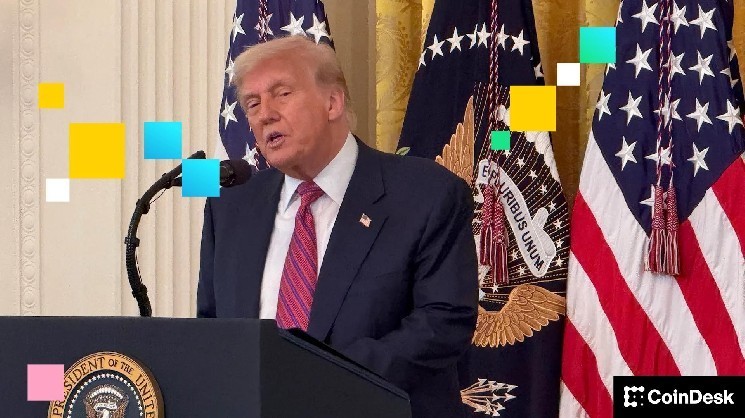

Markets Experience Whiplash as Trump Signals Potential Swift End to Iran Conflict
A Rollercoaster 24 Hours for Global Markets
The past day has been nothing short of chaotic for investors across all asset classes, with markets swinging wildly in response to rapidly evolving geopolitical developments. What began as a panic-driven sell-off quickly transformed into a relief rally after President Trump made unexpected comments suggesting that military action against Iran could conclude much sooner than anyone anticipated. Speaking in the late afternoon, Trump revealed that operations were progressing “very far ahead” of the initial four-to-five-week timeline that analysts and military experts had been projecting. This single statement was enough to send shockwaves through trading floors worldwide, causing dramatic reversals in everything from oil futures to cryptocurrency prices. Investors, who had been bracing for an extended period of uncertainty and potential supply disruptions, suddenly found themselves recalibrating their positions as the prospect of a quick resolution came into view. The President was scheduled to provide additional updates at 5:30 PM Eastern Time, leaving traders anxiously awaiting further clarification on what this accelerated timeline might mean for global stability and economic prospects.
From Panic to Relief: Equities Stage Impressive Recovery
The stock market’s journey over this tumultuous 24-hour period reads like a thriller novel, complete with unexpected plot twists and a potential happy ending. What started as a severe downturn on Sunday evening, with futures markets gapping lower as investors fled to safety, transformed into a significant recovery rally that gained momentum throughout Monday’s trading session. By the time the closing bell approached, the major indices had not only recovered their losses but were posting solid gains that surprised even seasoned market watchers. The tech-heavy Nasdaq Composite was leading the charge with a 1.25% advance, demonstrating that investors were regaining their appetite for risk assets. The broader S&P 500 wasn’t far behind, climbing 0.8% as buying pressure spread across multiple sectors. This remarkable turnaround reflects the market’s growing optimism that the geopolitical crisis might be contained more quickly than feared, potentially avoiding the prolonged economic disruption that typically accompanies extended military conflicts. The resilience shown by equities also suggests that investors believe the Federal Reserve and other central banks stand ready to provide support if needed, creating a safety net that’s encouraging risk-taking even amid uncertain times.
Cryptocurrency Markets Join the Recovery Party
The digital asset space, which has become increasingly correlated with traditional risk assets in recent years, followed a similar trajectory to equities during this wild ride. After experiencing a sharp plunge on Sunday evening when news of escalating tensions with Iran first broke, cryptocurrencies staged an impressive comeback that accelerated following Trump’s optimistic comments. Bitcoin, the flagship cryptocurrency and market bellwether, was trading just above $69,000 by Monday afternoon, representing a solid 2.4% gain over the previous 24 hours. This recovery is particularly noteworthy given how severely crypto markets had initially reacted to the geopolitical uncertainty, with some traders reporting that Bitcoin had briefly dipped below $65,000 during the worst of the panic selling. The rebound demonstrates that cryptocurrency investors, much like their traditional finance counterparts, are becoming more confident that the situation with Iran may be de-escalating rather than intensifying. It also shows that digital assets are increasingly behaving as growth-oriented investments that benefit from improved global stability rather than purely as alternative stores of value during times of crisis.
Oil’s Historic Volatility Tells the Story
If any single market captured the dramatic nature of these 24 hours, it was crude oil. The energy commodity experienced price swings that will likely be studied in trading textbooks for years to come, with movements so extreme they seemed almost surreal to those watching the charts. On Sunday evening, as news of potential conflict with Iran spread, West Texas Intermediate (WTI) crude oil futures rocketed upward by as much as 30%, briefly touching $120 per barrel as traders factored in the possibility of major supply disruptions from the Middle East. This spike represented one of the most dramatic single-session moves in oil market history, reflecting fears that Iran might close the Strait of Hormuz or that production facilities across the region could be damaged. However, as quickly as oil soared, it reversed course with equal ferocity. By Monday afternoon, WTI crude had plunged all the way back to $85 per barrel, actually finishing the day down 6% from where it started before the weekend news broke. This complete round-trip journey, from normal levels to crisis pricing and back again in less than 24 hours, illustrates just how quickly market sentiment can shift when geopolitical developments evolve rapidly. For consumers, this volatility has immediate implications for everything from gasoline prices to airline tickets, though the swift reversal suggests these impacts may be temporary if the situation continues to de-escalate.
Crypto-Related Stocks Amplify the Digital Asset Rally
Beyond the cryptocurrency markets themselves, publicly traded companies with exposure to the digital asset ecosystem experienced even more pronounced gains, demonstrating the leveraged nature of equity investments in the crypto space. Circle, the company behind the USDC stablecoin and a recent entrant to public markets, led the charge with an impressive 10% surge during Monday’s trading session. This outperformance relative to Bitcoin itself reflects investors’ enthusiasm for companies that provide infrastructure and services to the growing digital economy, particularly when the overall sentiment toward crypto is positive. MicroStrategy, the business intelligence company that has transformed itself into a leveraged play on Bitcoin through its massive cryptocurrency holdings, climbed 5% as the value of its digital asset treasury increased with Bitcoin’s recovery. Even the more established Coinbase, the largest U.S. cryptocurrency exchange, managed to post a respectable 2% gain despite being a more mature company with a larger market capitalization. These stock movements suggest that traditional investors are increasingly comfortable using equity markets to gain exposure to cryptocurrency trends, perhaps viewing publicly traded companies as a more familiar and regulated way to participate in the digital asset revolution compared to holding cryptocurrencies directly.
What This Volatility Means for Investors Going Forward
The extraordinary market movements of these 24 hours offer several important lessons for investors navigating an increasingly complex and interconnected global financial system. First and foremost, the episode demonstrates that geopolitical events can still trigger extreme volatility across all asset classes, even in an era when many investors have grown accustomed to relatively stable markets supported by central bank intervention. The speed with which markets moved in both directions—first panicking, then recovering—also highlights the importance of avoiding knee-jerk reactions to breaking news, as those who sold during the initial panic likely locked in losses that could have been avoided by maintaining a longer-term perspective. Additionally, the correlation between traditional equities, cryptocurrencies, and commodities during this period underscores how difficult it has become to truly diversify a portfolio in the modern era, as nearly all risk assets tend to move together during moments of crisis or relief. Looking ahead, investors will be closely monitoring Trump’s scheduled updates and any further developments regarding Iran, knowing that markets could easily swing again if the situation deteriorates or if the optimistic timeline proves premature. For now, though, the prevailing sentiment appears to be one of cautious relief, with traders hoping that the worst of the uncertainty has passed and that markets can return their attention to more traditional concerns like economic data, corporate earnings, and monetary policy. Whether this optimism proves justified remains to be seen, but for one wild 24-hour period, markets experienced the full range of human emotions from fear to hope and back again.