




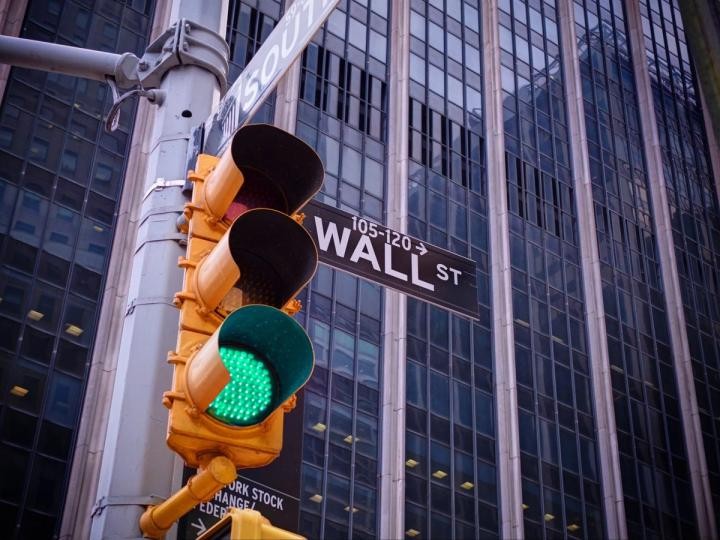

Wall Street’s Blockchain Dreams Hit a Speed Bump: What the Kelp DAO Hack Means for Traditional Finance
A Wake-Up Call for Financial Institutions Venturing into DeFi
The world of decentralized finance just experienced one of its most sobering moments, and the shockwaves are reaching far beyond cryptocurrency enthusiasts’ computer screens. On April 18, Kelp DAO, a significant player in the DeFi space, suffered a devastating exploit that drained $293 million from the protocol. This wasn’t just another number in the long list of crypto hacks—it was a sophisticated attack that has industry experts and Wall Street analysts seriously rethinking how quickly traditional financial institutions should dive into blockchain technology. According to Andrew Moss, an analyst at Jefferies, this incident could serve as a reality check for banks, asset managers, and other financial giants who’ve been racing to tokenize everything from bonds to deposits. The exploit’s methodology was disturbingly clever: attackers managed to mint tokens that had no actual backing whatsoever, then brazenly used these worthless digital assets as collateral to borrow real, valuable assets across multiple lending platforms. What makes this situation even more concerning is the suspected involvement of North Korea’s notorious Lazarus Group, a state-sponsored hacking organization with a track record of major cybercrimes. The immediate aftermath has been nothing short of chaotic, with crypto markets experiencing sharp sell-offs, token prices plummeting, and a severe liquidity crisis gripping key protocols across the DeFi ecosystem.
Understanding the Bridge That Collapsed
At the heart of this disaster lies a fundamental piece of blockchain infrastructure that most people outside the crypto world have never heard of: bridges. Think of these bridges as the highways that allow digital assets to travel between different blockchain networks. In our traditional financial system, moving money between banks is relatively straightforward because there’s centralized infrastructure and established protocols. In the decentralized world, however, different blockchains operate like separate islands, each with its own rules and systems. Bridges are supposed to connect these islands, allowing assets to flow freely and maintaining the liquidity that makes DeFi functional. The Kelp DAO exploit ruthlessly exposed a critical vulnerability in how these bridges operate. The specific bridge involved in this attack relied on what’s called a single validator—essentially one gatekeeper responsible for verifying that transactions moving across the bridge were legitimate. This is the digital equivalent of having only one security guard watching over a bank vault. In a system that’s supposed to be “decentralized,” meaning no single point of control or failure, having just one validator is a glaring contradiction and a massive security weakness. The hackers identified this weak point and exploited it masterfully, raising uncomfortable questions about whether current blockchain infrastructure is truly as robust and “trustless” as the industry claims. For traditional financial institutions that have been enthusiastically exploring tokenization—the process of representing real-world assets as digital tokens on a blockchain—this vulnerability is particularly concerning because their plans often depend heavily on these same cross-chain bridges to move assets and maintain liquidity across different platforms.
The Immediate Carnage in DeFi Markets
The damage from the Kelp DAO hack spread through the DeFi ecosystem like a financial contagion, demonstrating just how interconnected these protocols have become. Aave, one of the largest and most respected lending platforms in decentralized finance, found itself saddled with approximately $200 million in bad debt—loans that were taken out using the worthless, unbacked tokens as collateral and will likely never be repaid. This is real money that the platform’s users have essentially lost. The panic didn’t stop there. Across the entire DeFi landscape, the total value locked—a key metric that measures how much capital is deposited in these protocols—plummeted by roughly $9 billion as users rushed to withdraw their funds, fearing their assets might be next. This mass exodus created a severe liquidity crisis, with some lending pools completely frozen or operating at near-full utilization, meaning there’s almost no available capital left to borrow or withdraw. When liquidity dries up like this, the risks multiply exponentially. Users who have borrowed funds using their crypto assets as collateral face the terrifying prospect of forced liquidations—if the value of their collateral drops or if the platform needs to raise cash, their assets can be automatically sold off, often at terrible prices. The situation has created a vicious cycle: fear drives withdrawals, withdrawals reduce liquidity, reduced liquidity increases risks, and increased risks generate more fear. This is exactly the kind of contagion effect that traditional financial regulators spend their careers trying to prevent in conventional banking systems.
What This Means for Wall Street’s Tokenization Ambitions
Traditional finance has been experiencing what can only be described as blockchain fever. Over the past few years, major banks, asset managers, and financial institutions have been aggressively pursuing tokenization initiatives, seeing enormous potential in putting real-world assets on blockchain networks. The appeal is understandable: tokenization promises to make markets more efficient, reduce settlement times from days to minutes, lower costs by eliminating intermediaries, and unlock liquidity in assets that have historically been difficult to trade, like real estate or fine art. Investment in these initiatives has been accelerating, with financial giants launching pilot programs and some even deploying live tokenization platforms for funds, bonds, and deposits. However, the Kelp DAO exploit has introduced a significant dose of reality into these ambitious plans. Andrew Moss’s analysis suggests that while traditional financial institutions may not abandon their blockchain projects entirely, they’re likely to pump the brakes and take a more cautious approach. The “cascading implications” of this hack—the way problems in one protocol rapidly spread to others—demonstrates that the DeFi ecosystem is still fragile and that security vulnerabilities can have far-reaching consequences. For banks and asset managers, whose reputations and regulatory standing depend on safeguarding client assets, the idea that a single point of failure in a bridge could lead to hundreds of millions in losses is deeply troubling. These institutions need to ask themselves hard questions: If they tokenize assets and those tokens need to move across different blockchain networks using bridges with similar vulnerabilities, what happens when something goes wrong? Who’s liable? How do you explain to traditional investors that their tokenized bonds became worthless because of an exploit in infrastructure they’ve never heard of? These aren’t hypothetical concerns—they’re exactly what just played out in real-time with Kelp DAO.
The Broader Challenge: Infrastructure That’s Still Growing Up
One of Andrew Moss’s most significant observations is that the digital asset industry is still “nascent”—a polite way of saying it’s young, immature, and still figuring things out. This is a critical point that often gets lost in the hype surrounding blockchain technology. Yes, the potential is enormous, and yes, the technology has come a long way since Bitcoin’s early days. But there’s a vast difference between potential and reality, between working in a controlled test environment and operating at the scale and security level that major financial institutions require. The infrastructure that underpins DeFi—the bridges, the protocols, the smart contracts, the validation mechanisms—is still evolving. Bugs are discovered, exploits happen, and lessons are learned the hard way, often at the cost of millions of dollars. In traditional finance, the infrastructure has been built, tested, reinforced, and regulated over decades or even centuries. Banking systems have multiple layers of redundancy, regulatory oversight, insurance mechanisms, and established procedures for when things go wrong. The DeFi world is trying to build comparable reliability in a fraction of the time, without centralized control, and often with limited regulatory guidance. This doesn’t mean it’s impossible or that the effort should be abandoned, but it does mean that realistic timelines and expectations are essential. For Wall Street firms eager to capture the benefits of blockchain technology, the Kelp DAO hack serves as a reminder that rushing into these systems before they’re truly ready could be disastrous—not just financially, but reputationally and regulatorily as well.
Looking Ahead: Optimism Tempered with Caution
Despite the severity of the Kelp DAO incident and its immediate impact, the long-term outlook for blockchain adoption in traditional finance remains positive, albeit more measured. Moss’s report emphasizes that while this hack may slow the pace of adoption in the near term, it’s unlikely to derail the broader trend entirely. Regulatory frameworks are continuing to develop, providing more clarity about how digital assets should be treated and supervised. Infrastructure is improving, with each exploit teaching valuable lessons about what works and what doesn’t. Institutional interest remains strong because the fundamental value proposition of blockchain technology—greater efficiency, transparency, and accessibility—hasn’t changed. Stablecoins, in particular, continue to show promise as a bridge between traditional finance and the crypto world, with use cases expanding beyond trading into practical applications like cross-border payments, remittances, and even payroll systems. These developments suggest that the marriage between Wall Street and blockchain isn’t being called off—it’s just that both parties are recognizing the need for a longer engagement period. Financial institutions will likely take this opportunity to more thoroughly stress-test their systems, review their security assumptions, demand more robust bridge architectures with multiple validators and better fail-safes, and perhaps most importantly, ensure they truly understand the risks they’re taking on. The crypto industry, for its part, faces pressure to mature more quickly, to prioritize security over growth, and to build systems that can withstand sophisticated attacks. The path forward requires patience, rigorous security practices, and an acknowledgment that building truly robust financial infrastructure—whether centralized or decentralized—simply takes time. The Kelp DAO hack will likely be remembered not as the event that killed institutional interest in blockchain, but as the wake-up call that prompted everyone to approach this powerful technology with the seriousness and caution it deserves.









