
Government Steps In to Review Telegraph Sale to Daily Mail Owner
Competition Concerns Trigger Official Investigation
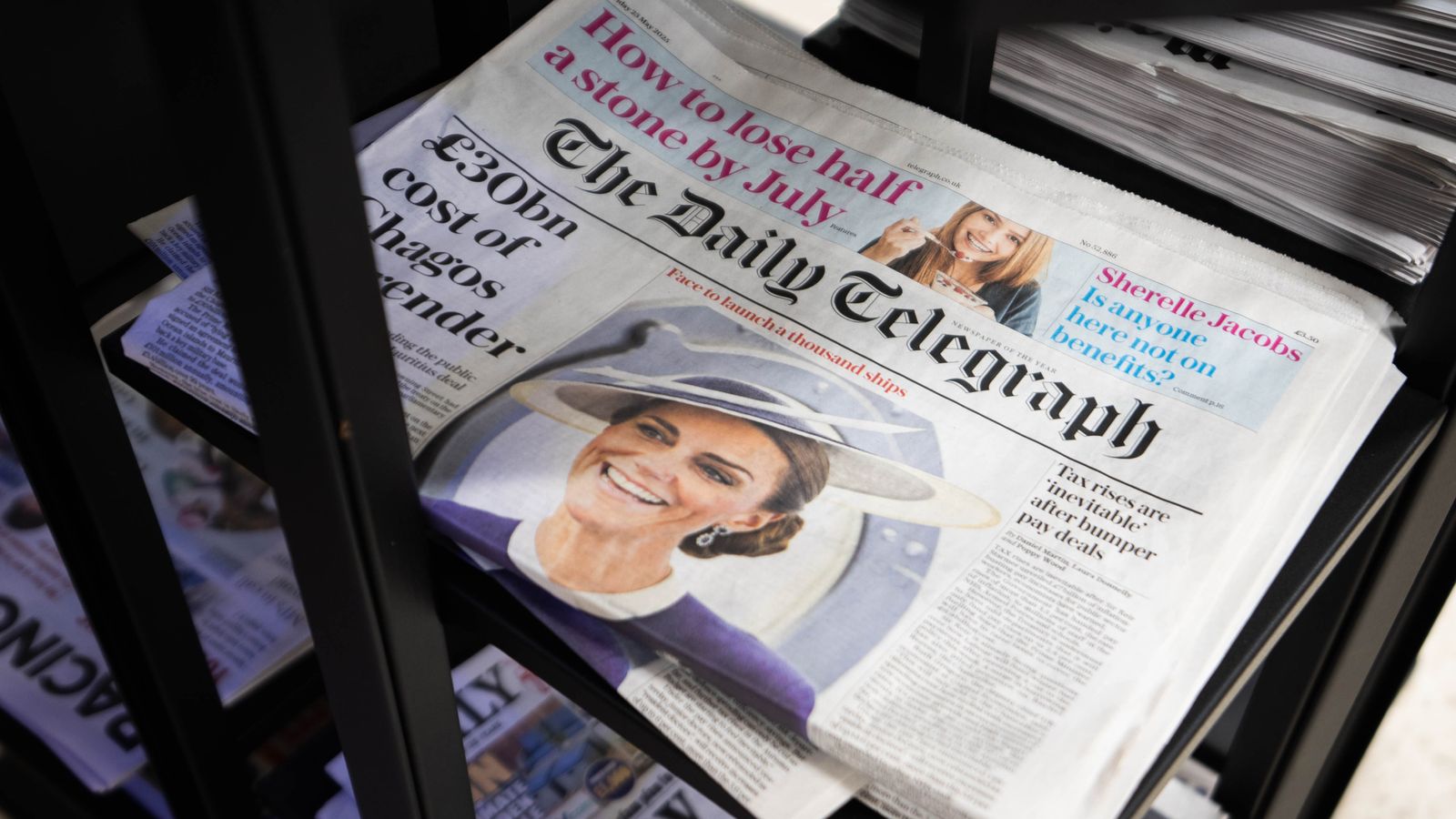
The British media landscape is facing a potentially significant shake-up, but not without government scrutiny. Culture Secretary Lisa Nandy has announced that the proposed £500 million acquisition of the Telegraph newspapers by Daily Mail and General Trust (DMGT) will be subject to a formal investigation. The intervention comes amid concerns about media plurality and the concentration of newspaper ownership in the United Kingdom. This decision marks a critical moment in the long-running saga surrounding the Telegraph’s ownership, which has been mired in uncertainty for several years. The government’s move reflects growing awareness about the importance of maintaining diverse voices in the nation’s media ecosystem, particularly at a time when traditional print journalism faces numerous challenges from digital platforms and changing consumer habits.
Understanding the Public Interest Concerns
The Culture Secretary’s intervention isn’t simply bureaucratic procedure – it represents genuine concerns about what this merger could mean for British journalism and public discourse. Lisa Nandy outlined her reasoning in a written statement to Members of Parliament, emphasizing that her decision to step in was based on public interest grounds. Chief among these concerns is how the deal might affect the “plurality of views” available in UK news media. In simpler terms, the government is worried about whether having both the Daily Mail and Telegraph under the same ownership umbrella could reduce the variety of perspectives available to British news consumers. Both newspapers lean toward the right politically, which raises questions about whether their combination under one corporate parent might diminish ideological diversity in the print media sector. This isn’t about preventing businesses from making legitimate acquisitions, but rather ensuring that the fundamental principles of a free and varied press are preserved for the benefit of democracy and informed public debate.
The Players and Their Promises
Daily Mail and General Trust isn’t a small player in British media – it’s already a substantial force with a portfolio that includes not just the Daily Mail but also Metro and The i Paper. The company reached an agreement back in November to purchase the Telegraph from RedBird IMI, an Abu Dhabi-backed investment firm whose own attempted purchase had been blocked by the previous Conservative government. Recognizing the sensitivity around editorial independence, DMGT has publicly committed to maintaining the editorial autonomy of both The Daily Telegraph and The Sunday Telegraph, promising they would operate independently from the enlarged parent company. These assurances are significant because they acknowledge a fundamental concern in media acquisitions: that consolidation of ownership doesn’t necessarily have to mean homogenization of editorial voice. However, such promises, while well-intentioned, are exactly the kind of commitments that regulatory authorities need to examine closely to ensure they’re meaningful, enforceable, and sufficient to protect the public interest in maintaining diverse media voices.
The Regulatory Process Ahead
With Culture Secretary Nandy’s intervention now official, the proposed deal enters a formal review process under the watchful eye of the Competition and Markets Authority (CMA). This regulatory body has been tasked with conducting a thorough examination of the acquisition, specifically focusing on the public interest grounds that Nandy has identified. The CMA has until the beginning of June to complete its investigation and report its findings back to the government. During this period, the regulator will likely examine numerous aspects of the proposed merger: the potential impact on media plurality, whether editorial independence guarantees are robust enough, how the combined entity might affect competition in the newspaper market, and whether there are sufficient alternative news sources to maintain a healthy diversity of opinion. This isn’t a rubber-stamp exercise – the CMA has considerable powers and has previously blocked or required modifications to mergers it deemed problematic. The coming months will be crucial for DMGT and the Telegraph, as they’ll need to demonstrate convincingly that their union would not harm the British media landscape’s essential variety and independence.
The Telegraph’s Troubled Ownership History
To understand why this latest development matters so much, it’s important to appreciate the turbulent journey the Telegraph titles have experienced in recent years. The current uncertainty isn’t a new phenomenon but rather the latest chapter in a prolonged ownership saga that began back in June 2023. At that time, the Barclay family, who had controlled the newspapers, found themselves under significant financial pressure and put the Telegraph titles up for sale. This decision wasn’t voluntary so much as necessary – lenders were demanding repayment of substantial unpaid debts within the family’s parent company, forcing the sale of valuable assets. The situation reflected broader challenges facing traditional newspaper owners, who have struggled with declining circulation, advertising revenue pressures, and the costly transition to digital publishing. The first attempt at resolution came through RedBird IMI, an investment consortium backed by money from Abu Dhabi. However, this deal raised its own concerns, particularly around foreign influence over British media, and was ultimately blocked by the Conservative government that was in power at the time. RedBird withdrew their bid in November, paving the way for DMGT’s current offer – but also extending the period of uncertainty and instability for Telegraph journalists and readers.
What This Means for British Media and Democracy
The government’s decision to scrutinize this deal reflects broader questions about the health and structure of British journalism in the modern era. Traditional newspapers, despite declining print circulation, still play an outsized role in setting the national conversation, influencing political debate, and holding power to account. The concentration of these influential platforms in fewer hands potentially reduces the diversity of perspectives available to citizens trying to understand complex issues and make informed decisions. While both the Daily Mail and Telegraph occupy similar political territory, they have historically maintained distinct editorial characters, approaches to journalism, and readerships. Whether these distinctions would survive common ownership, even with promises of editorial independence, is precisely what the Competition and Markets Authority must now assess. Beyond the specific companies involved, this case raises fundamental questions about what media plurality means in an age when print circulation is declining but digital reach is expanding, when traditional business models are under stress but journalism’s democratic function remains vital. The outcome of this investigation won’t just determine the fate of two historic newspaper titles – it will signal how seriously British authorities take the preservation of media diversity in an increasingly concentrated marketplace. For readers, journalists, and anyone who cares about the quality of public discourse, the CMA’s findings in the coming months will be worth watching closely, as they’ll help shape the media landscape for years to come.