
The Strait of Hormuz Crisis: A Chokepoint Under Siege
A Critical Waterway Brought to Its Knees
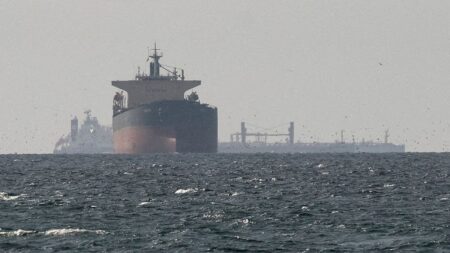
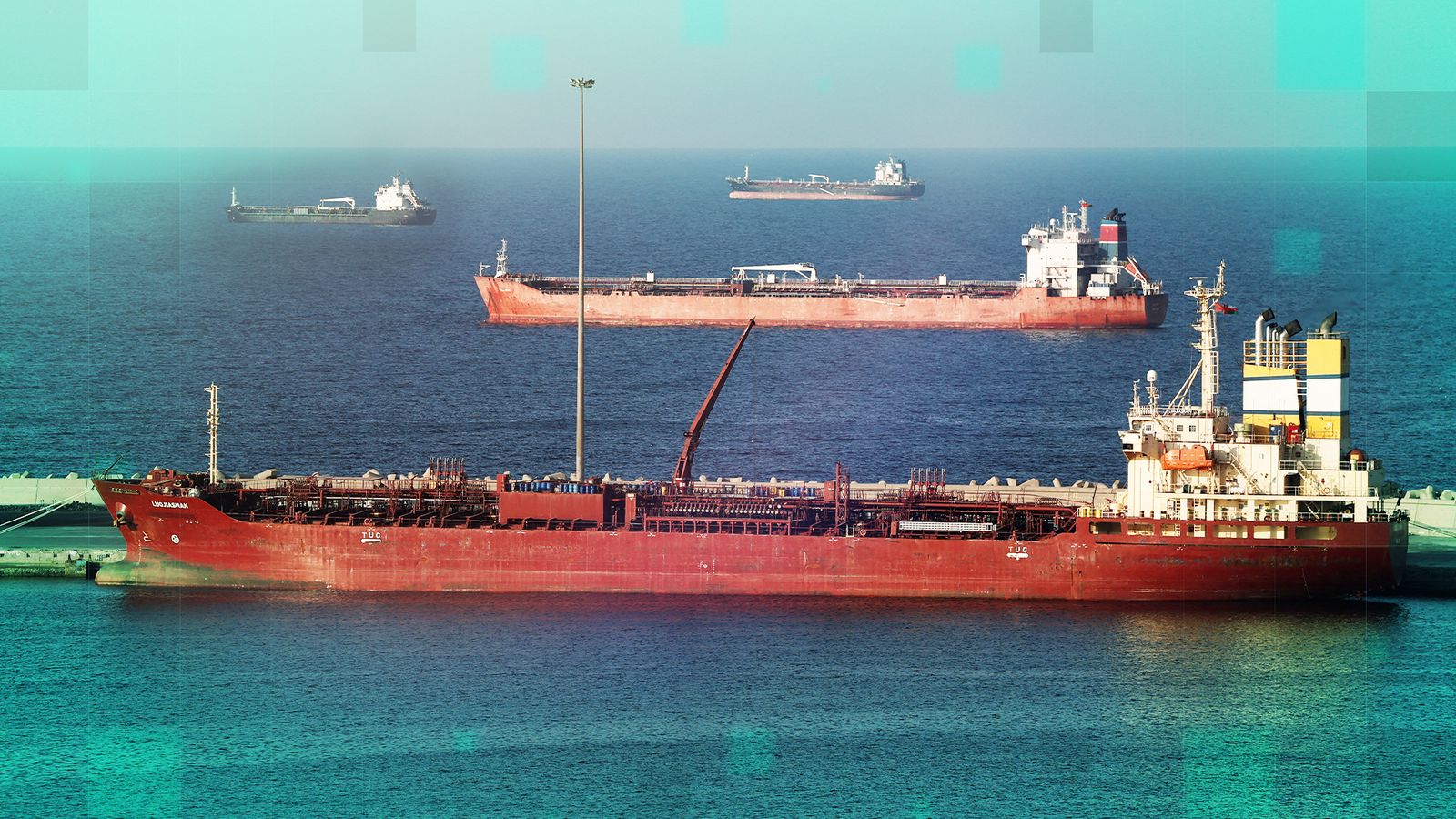
The Strait of Hormuz, a narrow 24-mile channel that serves as one of the world’s most vital shipping arteries, has become a maritime ghost town following Iran’s aggressive moves to restrict passage through the waterway. What was once a bustling corridor carrying an average of 82 ships per day—approximately 30,000 vessels annually in normal times—has seen traffic dwindle to barely a handful of vessels in recent days. Those ships brave enough to attempt the crossing are often operating with their tracking systems deliberately switched off, vanishing from global monitoring networks in a practice maritime experts call “going dark.” The situation has created an unprecedented crisis in global shipping, with the specter of Iranian military action hanging over every vessel that approaches these waters. Richard Meade, editor-in-chief of maritime risk company Lloyd’s List Intelligence, explained the paradox of the situation: while Iran cannot physically seal off a waterway of this magnitude, the credible threat of attack has proven nearly as effective. Iran has demonstrated its willingness and capability to strike, deploying an arsenal that ranges from ballistic missiles to unmanned aerial drones and autonomous seaborne attack vessels, creating a gauntlet of danger that few shipping companies are willing to risk.
Who Dares to Cross? The Ships Still Making the Journey
Between March 2nd and 9th, Sky News’ Data & Forensics team identified only 13 ships that successfully transited the Strait of Hormuz with their tracking systems active—a staggering drop from the normal daily average of over 80 vessels. The real number of crossings is likely higher, as some captains choose to disable their automatic identification systems to avoid detection, but even accounting for these “dark” transits, the decrease is dramatic. The ships that are making the crossing represent a curious mix of origins and affiliations, with many connected to Iran, China, or Russia, alongside vessels from Greece, India, the United Arab Emirates, and Singapore. Notably, five vessels managed by Greek shipping firm Dynacom have braved the passage since hostilities began, demonstrating that some commercial operators are willing to accept the risk. President Donald Trump has publicly challenged shipping companies to “show some guts” and continue their operations, but his appeal has largely fallen on deaf ears as companies weigh the potential loss of vessels, cargo, and crew lives against commercial pressures. The composition of current traffic reveals a troubling pattern: the majority of vessels now crossing are so-called “shadow fleet” tankers—ships operating outside normal international regulations and often carrying sanctioned cargo from Iran, Russia, or Venezuela. Of the 13 large oil and gas carriers that crossed during the analyzed period, eight fell into this category, suggesting that legitimate commercial shipping has essentially ground to a halt while illicit operations continue with less regard for the risks.
A Dangerous Gauntlet: Attacks and Incidents Mount
The human and material cost of Iran’s actions has been severe and rapidly escalating. According to the International Maritime Organisation (IMO), at least ten vessels in or near the Strait of Hormuz have been attacked since Iran began its blockade, with the United Kingdom Maritime Trade Operations (UKMTO) reporting a total of 14 incidents affecting vessels in the Arabian Gulf, Strait of Hormuz, and Gulf of Oman between February 28th and March 10th. The deadliest day came on March 1st, when four vessels came under attack in coordinated strikes that killed three people and injured multiple others. The violence has continued relentlessly, with at least one attack occurring every day through March 7th. The targeted vessels fly flags from numerous countries, including the United States, Marshall Islands, Gibraltar, United Arab Emirates, Bahamas, Panama, and India, demonstrating that Iran is not discriminating in its targets. One particularly dramatic incident occurred on March 4th when the Malta-flagged container ship Safeen Prestige was struck by a projectile near the midpoint of the strait. Tracking data shows the vessel coming to an abrupt halt as fire broke out in the engine room, forcing the crew to abandon ship—a nightmare scenario for any maritime operation. That same day, the US-managed tanker Sonangol Namibe was attacked by an unmanned drone boat approximately 30 nautical miles southeast of the Kuwaiti coast, resulting in an oil spill that added environmental catastrophe to the human toll. Iran’s Islamic Revolutionary Guard Corps (IRGC) has issued stark warnings that any vessel registered to the United States, Israel, or European nations detected in the strait “will certainly be struck,” effectively declaring open season on Western commercial shipping.
Electronic Warfare and the Fog of War at Sea
Beyond the physical attacks, the Strait of Hormuz region has become a theater for sophisticated electronic warfare that is wreaking havoc on maritime navigation systems. Ships transiting the area are experiencing massive GPS jamming, with tracking data showing hundreds of vessels suddenly jumping erratically across maps before clustering in impossibly small areas, their positions scrambled by deliberate signal interference. This jamming makes it nearly impossible for ships to accurately navigate or for authorities to monitor maritime traffic, creating dangerous conditions where vessels might collide or run aground without accurate positioning data. While Iran is the obvious suspect for this electronic disruption, analysts caution that attribution is complex—the jamming could also come from other vessels attempting to mask their movements, from defensive systems responding to perceived threats, or from multiple actors simultaneously. The electronic fog of war makes it difficult to determine who is friend or foe, where ships actually are, or what their intentions might be. This uncertainty compounds the physical danger, as captains cannot reliably know where threats might be lurking or even where their own vessels are in relation to the narrow shipping channels. The combination of physical attacks and electronic warfare has created a perfect storm of danger that has effectively weaponized uncertainty itself, making the strait nearly impassable for commercial shipping that depends on predictable, safe passage.
Global Supply Chains Grind to a Halt
The ripple effects of the Strait of Hormuz closure extend far beyond the immediate region, disrupting global commerce in ways that will be felt for months or even years. The two largest container shipping companies in the world—Maersk and Mediterranean Shipping Company (MSC), which together control nearly 30% of global containerized shipping capacity—have both suspended all services to the Middle East. Maersk justified the decision as “a precautionary measure to ensure the safety of our personnel and vessels,” prioritizing human lives over commercial commitments. Tracking data reveals the chaotic adjustments ships are making in real-time, with vessels like the Maersk Cincinnati executing dramatic U-turns in mid-ocean to retreat from the danger zone. Data from MarineTraffic shows this particular container ship performing an almost complete reversal of course on March 2nd, continuing to move away from the strait until March 4th, when it finally returned to the Port of Salalah in Oman before heading to the Gulf of Kutch, arriving on March 10th heavily loaded with cargo that should have been delivered days or weeks earlier. Richard Meade from Lloyd’s List Intelligence explained the cascading problem: “We’re seeing a number of ships doing U-turns. They’re likely getting orders to go and perform alternative operations. Now, that’s fine for the ships that are headed into the Gulf, but for the ships that are already there, they’re essentially stuck.” This creates a nightmare scenario where vessels laden with time-sensitive cargo are trapped in Gulf ports, unable to safely exit while their cargoes deteriorate and delivery contracts expire. The economic impact is staggering—every day of delay costs shipping companies money, disrupts supply chains, and ultimately drives up prices for consumers worldwide.
The Road Ahead: Uncertainty and Global Consequences
The crisis in the Strait of Hormuz represents more than a regional conflict—it’s a stress test for the entire global trading system and a demonstration of how vulnerable modern commerce remains to geopolitical disruption at key chokepoints. Approximately one-fifth of the world’s petroleum passes through this narrow channel under normal circumstances, along with massive quantities of liquefied natural gas, consumer goods, and raw materials essential to manufacturing worldwide. With this artery now effectively severed, the global economy faces difficult choices: accept dramatically higher costs for goods that must be rerouted around Africa via the Cape of Good Hope (adding weeks to journey times), pay premium insurance rates and danger bonuses to crews willing to risk the crossing, or fundamentally reorganize supply chains to reduce dependence on Middle Eastern oil and gas. Each option carries significant costs and none can be implemented quickly. The tracking data and incident reports compiled by Sky News’ Data & Forensics team paint a picture of a maritime environment that has become fundamentally hostile to normal commercial operations, where the few vessels still crossing are either connected to the very nations creating the crisis or are operating outside international law with little to lose. Until diplomatic efforts can resolve the underlying tensions or military intervention can guarantee safe passage—both uncertain prospects—the Strait of Hormuz will remain what it has become: a 24-mile stretch of water that the global economy cannot afford to lose but currently cannot safely use. The sophisticated combination of physical attacks, electronic warfare, and credible threats has proven remarkably effective at achieving Iran’s apparent goal of disrupting Western commerce, demonstrating that in the 21st century, control of strategic waterways remains as powerful a weapon as it was in centuries past.