De-escalation ‘Only Solution’ to Hormuz Crisis: Understanding the Path to Peace in a Volatile Region
The Strategic Importance of the Strait of Hormuz
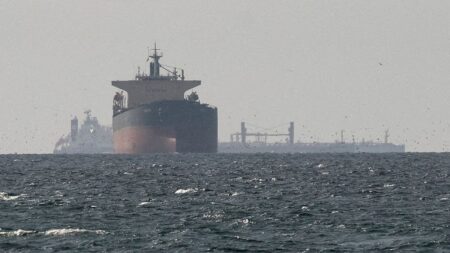
The Strait of Hormuz stands as one of the world’s most critical maritime chokepoints, serving as the gateway through which approximately one-fifth of the global oil supply passes each day. This narrow waterway, spanning just 21 miles at its narrowest point between Iran and Oman, has become the epicenter of international tensions that threaten not only regional stability but global economic security. The crisis surrounding this strategic passage has escalated tensions between Iran and Western powers, particularly the United States and its allies, creating a powder keg situation that could have far-reaching consequences for international trade, energy markets, and geopolitical relations. The importance of this waterway cannot be overstated—it serves as the primary export route for oil from Saudi Arabia, Iraq, the United Arab Emirates, Kuwait, and Iran itself. Any disruption to shipping through this vital corridor sends shockwaves through global energy markets, affecting prices at gas pumps from Tokyo to London to New York. The recurring tensions in this region have prompted urgent calls from international leaders, diplomacy experts, and regional stakeholders who increasingly recognize that military solutions would be catastrophic for all parties involved. Instead, there is a growing consensus that de-escalation through diplomatic channels represents the only viable solution to preventing a conflict that could destabilize not just the Middle East but the entire global economy.
The Roots and Recent Escalation of the Crisis
The current crisis in the Strait of Hormuz didn’t emerge overnight but is the result of decades of complex geopolitical tensions, competing interests, and failed diplomatic initiatives. The tensions intensified significantly following the United States’ withdrawal from the Joint Comprehensive Plan of Action (JCPOA), commonly known as the Iran nuclear deal, and the subsequent reimposition of crippling economic sanctions on Tehran. Iran, feeling the economic pressure and seeking leverage against what it perceives as aggressive Western policies, has occasionally resorted to threatening or actually disrupting shipping in the strait as a form of asymmetric warfare. Recent incidents have included the seizure of tankers, alleged attacks on commercial vessels, and military confrontations between Iranian forces and Western naval patrols. These provocations have been met with increased military presence from the United States and its allies, creating a cycle of action and reaction that brings the region dangerously close to open conflict. Iran has consistently maintained that it will defend its interests and has warned that if it cannot export its oil due to sanctions, it may prevent other nations from using the strait. Meanwhile, Western powers insist on freedom of navigation and the protection of international shipping lanes. This standoff has created an extremely volatile situation where a miscalculation, misunderstanding, or unauthorized action by military personnel on either side could trigger a wider conflict with devastating humanitarian and economic consequences.
The Catastrophic Consequences of Military Conflict
Military experts and economic analysts universally agree that an armed conflict in the Strait of Hormuz would have catastrophic consequences that extend far beyond the immediate region. The human cost would be immeasurable, with potential casualties not just among military personnel but among civilian populations and merchant mariners who navigate these waters daily. From an economic perspective, even a temporary closure of the strait would cause oil prices to skyrocket, potentially triggering a global recession. Industries dependent on stable energy prices would face immediate disruption, affecting manufacturing, transportation, and virtually every sector of the modern economy. The cost of such a conflict wouldn’t be limited to direct military expenditures—it would include humanitarian crises, refugee flows, environmental disasters from damaged oil infrastructure, and long-term regional instability. Furthermore, a military engagement could draw in multiple nations, potentially expanding into a wider regional war involving Saudi Arabia, Israel, and other Middle Eastern powers, with Russia and China having their own strategic interests in the outcome. The disruption to global supply chains would be immediate and severe, affecting not just energy supplies but the vast amount of other cargo that transits through the region. Insurance rates for shipping would become prohibitively expensive, and many vessels would refuse to enter the area altogether. Environmental experts also warn of potential ecological disasters, as any conflict could result in massive oil spills that would devastate marine ecosystems in the Persian Gulf for generations. Given these dire potential outcomes, the international community increasingly recognizes that prevention through diplomacy is not just preferable but absolutely essential.
Diplomatic Pathways and International Mediation Efforts
Recognizing the urgent need for de-escalation, various international actors have stepped forward to facilitate dialogue and mediate between the parties involved in the Hormuz crisis. The European Union, despite its own complicated relationship with Iran, has made efforts to maintain diplomatic channels and preserve what remains of the nuclear agreement. Countries like Oman and Qatar, which maintain relationships with both Iran and Western powers, have offered to serve as intermediaries and hosts for negotiations. The United Nations has called repeatedly for restraint and dialogue, emphasizing international maritime law and the need for all parties to respect freedom of navigation while also addressing Iran’s legitimate security concerns and economic grievances. These diplomatic efforts focus on several key areas: first, establishing clear communication channels to prevent misunderstandings and accidental escalations; second, creating confidence-building measures such as advance notification of military exercises and establishing protocols for naval encounters; third, addressing the underlying economic and security concerns that drive Iran’s behavior, including sanctions relief in exchange for verifiable commitments on nuclear activities and regional behavior; and fourth, developing a broader framework for regional security that addresses the concerns of all stakeholders, including Iran, the Arab Gulf states, and international powers. Some proposals have included the creation of multinational naval forces specifically tasked with ensuring freedom of navigation without targeting any particular nation, as well as economic development initiatives that would give Iran and other regional players a stake in maintaining stability. The challenge facing these diplomatic initiatives is building sufficient trust among parties that have decades of antagonism and competing narratives about regional security. Success requires not just resolving the immediate crisis but addressing the deeper structural issues that create recurring tensions in this vital waterway.
The Role of Economic Engagement and Sanctions Relief
A critical component of any successful de-escalation strategy must address the economic dimensions of the crisis, particularly the impact of international sanctions on Iran’s economy and how these pressures influence Tehran’s behavior. Economic strangulation, while intended to change Iran’s policies, has also created a siege mentality that makes compromise more difficult and gives hardliners within the Iranian government ammunition for their arguments against engagement with the West. A pathway toward de-escalation requires carefully calibrated sanctions relief that rewards positive Iranian actions without appearing to capitulate to threats or abandoning legitimate concerns about Iran’s nuclear program and regional activities. This balance is delicate but achievable through phased approaches where sanctions are gradually eased in response to verifiable Iranian compliance with agreed-upon benchmarks. Economic engagement offers Iran a tangible benefit for cooperation—access to international markets, foreign investment, and integration into the global financial system. For Western powers, the challenge is demonstrating that diplomacy can achieve their objectives more effectively than pressure alone. Several proposals have suggested creating humanitarian corridors within the sanctions framework that would allow for medicine, food, and other essential goods to reach Iranian civilians, thereby reducing suffering while maintaining pressure on the government. Others have proposed creating economic zones or development projects that could benefit multiple countries in the region, giving all parties an economic incentive to maintain stability. The fundamental principle underlying these economic approaches is that nations with extensive trade relationships and mutual economic dependencies are less likely to resort to military conflict. By creating economic interdependencies and giving Iran a pathway back to international respectability, the costs of destabilizing behavior increase while the benefits of cooperation become more apparent. This doesn’t mean ignoring legitimate security concerns or allowing Iran to develop nuclear weapons, but rather creating a framework where compliance is more attractive than confrontation.
Building a Sustainable Framework for Long-Term Stability
Moving beyond crisis management to establish lasting stability in the Strait of Hormuz and the broader Persian Gulf region requires a comprehensive approach that addresses security, economic, and political dimensions simultaneously. This means developing a regional security architecture that includes rather than excludes Iran, recognizing that sustainable peace cannot be built by attempting to permanently isolate a nation of 85 million people with significant military capabilities and strategic geography. Such a framework would need to address several interconnected issues: establishing clear rules of engagement for military forces operating in the region, creating mechanisms for regular diplomatic dialogue among all regional powers, developing economic integration projects that give all stakeholders benefits from stability, and establishing confidence-building measures including military-to-military communication channels and transparency about weapons systems and military exercises. The long-term vision should include transforming the Persian Gulf from a zone of confrontation into an area of cooperation, following models from other regions where historic enemies have built security communities based on mutual interest rather than persistent threat. This transformation won’t happen overnight and will require sustained commitment from all parties, but the alternative—recurring crises that risk spiraling into devastating conflict—is simply unacceptable. International organizations, regional powers, and global stakeholders all have roles to play in building this framework. The reality is that no military solution exists that would serve anyone’s interests; even a decisive military victory would come at unconscionable human, economic, and political costs. De-escalation through patient, persistent diplomacy remains the only rational path forward, requiring courage from leaders who must resist domestic pressures for confrontation and instead pursue the harder work of building understanding across deep divides. The Strait of Hormuz crisis ultimately presents a choice between the catastrophic consequences of conflict and the difficult but achievable path of diplomatic resolution—a choice that should be obvious to anyone who genuinely considers the alternatives.