


El Chapo’s Desperate Plea: A Drug Lord’s Fight to Leave America’s Harshest Prison
A Kingpin’s Cry for Freedom
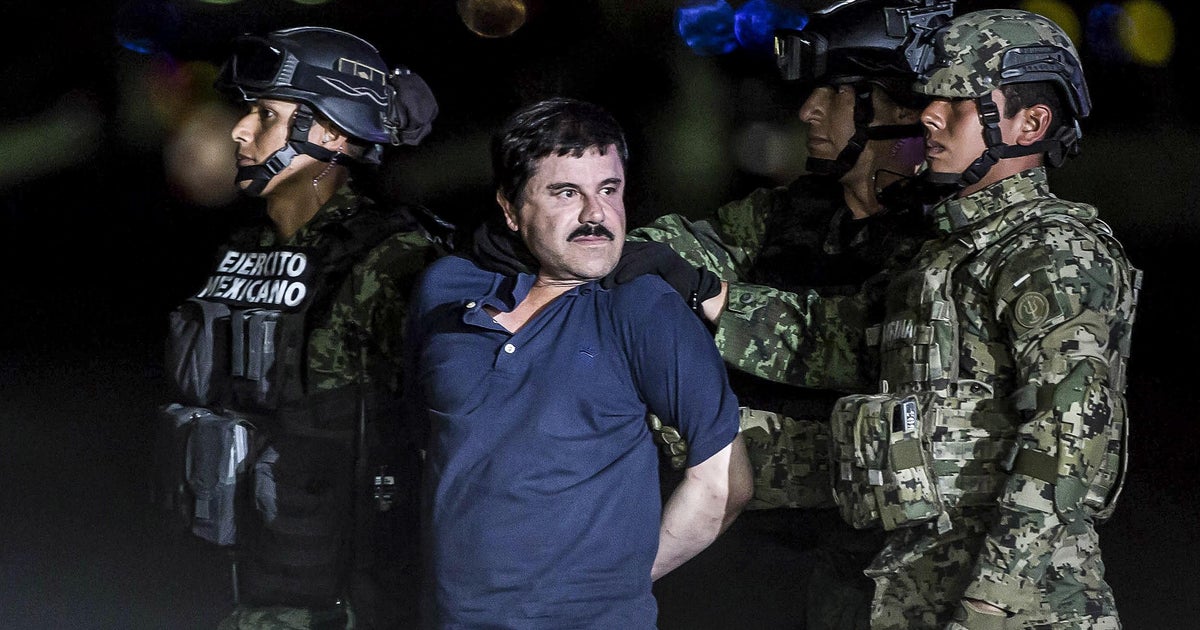
Behind the impenetrable walls of America’s most secure prison, one of the world’s most notorious drug lords is making a desperate plea to return home. Joaquin “El Chapo” Guzman, the co-founder of Mexico’s powerful Sinaloa cartel, has penned multiple letters to U.S. court authorities, begging to be transferred back to his native Mexico. The letters, filed with the Eastern District Court of New York and reviewed by various news organizations, reveal a man who feels trapped in what he describes as a “cruel” punishment. Written in grammatically imperfect English, these missives provide a rare glimpse into the mind of someone who once commanded one of the world’s most profitable criminal enterprises but now finds himself powerless within the American justice system. Since his extradition to the United States in 2017, following two dramatic prison escapes in Mexico that captured international attention, Guzman has been serving a life sentence at the ADX Florence facility in Colorado—a place so notorious for its harsh conditions that it’s earned the chilling nickname “Alcatraz of the Rockies.”
The Content of His Complaints
In his letters dated April 20 and April 23, El Chapo makes several specific grievances about his conviction and current circumstances. “This is a polite letter (about) the hardcore evidence that wasn’t proven for my case,” Guzman wrote in one letter, suggesting he believes his conviction was based on insufficient evidence. He goes on to complain that his repeated requests for documents related to his sentencing have been ignored by authorities, leaving him unable to properly understand or challenge the legal basis for what he calls his “cruel punishment.” The former drug trafficker insists that “the verdict of my trial wasn’t fair,” and claims he has been waiting three years for an appeal to be heard. In making his case, Guzman invokes constitutional protections, specifically mentioning “the first to the fifth amendment,” showing at least some understanding of American legal rights, even if his grasp of English grammar remains imperfect. What’s perhaps most striking about these letters is the tone—a mixture of politeness and desperation from a man who once wielded enormous power but now finds himself completely at the mercy of a system he clearly doesn’t fully understand or trust.
Life Inside America’s Most Secure Prison
The ADX Florence facility, where El Chapo currently resides, represents the absolute pinnacle of the American prison system’s security measures. This maximum-security federal prison has housed some of the most dangerous and high-profile criminals in American history, including Unabomber Ted Kaczynski, Boston Marathon bomber Dzhokhar Tsarnaev, September 11th conspirator Zacarias Moussaoui, and Oklahoma City bombing accomplice Terry Nichols. The facility’s reputation for extreme isolation and harsh conditions is well-documented. Inmates at Supermax typically spend 23 hours a day in solitary confinement in small concrete cells, with extremely limited human contact and virtually no access to the outside world. For someone like El Chapo, who was accustomed to running a vast criminal empire with connections across multiple countries, the transition to such complete isolation must be psychologically devastating. This isn’t the first time Guzman has complained about his treatment in American custody. Over the years, he has repeatedly written letters protesting the isolation, poor cell conditions, and lack of family visits that characterize his daily existence. In 2023, he even appealed directly to then-President Andres Manuel Lopez Obrador of Mexico, claiming he was experiencing “psychological torment” and asking for help from his home country’s leadership.
The Journey from Kingpin to Prisoner
El Chapo’s path to an American supermax prison is a story worthy of Hollywood—in fact, it has inspired numerous documentaries, series, and films. As co-founder of the Sinaloa cartel, Guzman built one of the most powerful drug trafficking organizations in history, responsible for smuggling vast quantities of cocaine, heroin, methamphetamine, and marijuana into the United States and around the world. His criminal empire generated billions of dollars and employed thousands of people across multiple countries. But what truly captured public imagination were his escapes from Mexican prisons. The first escape in 2001 allegedly involved hiding in a laundry cart, while the second in 2015 was even more audacious—his associates built a sophisticated tunnel complete with lighting, ventilation, and a motorcycle on rails that led directly from outside the prison to the shower area in his cell. These escapes embarrassed the Mexican government and demonstrated the extent of corruption and the reach of cartel influence within Mexico’s institutions. However, when he was finally captured again and extradited to the United States in 2017, he entered a completely different system—one far less susceptible to the corruption and intimidation tactics that had served him so well in Mexico.
The Legal Battle and Conviction
When El Chapo faced trial in the United States, prosecutors presented a comprehensive case built on years of investigation, cooperation from numerous witnesses (many of them former cartel associates who had turned informant), and extensive documentation of the cartel’s operations. The trial, held in Brooklyn, New York, featured dramatic testimony about murders, torture, drug trafficking on a massive scale, and the corrupting influence of cartel money on Mexican officials and law enforcement. Witnesses described Guzman’s personal involvement in violence, including allegedly ordering murders of rivals and anyone who crossed him. The evidence presented painted a picture of a ruthless criminal organization responsible for untold damage to communities on both sides of the border. In February 2019, after a three-month trial, a jury found him guilty on all ten counts, including engaging in a continuing criminal enterprise, drug trafficking, and money laundering. The judge subsequently sentenced him to life in prison plus 30 years and ordered him to forfeit $12.6 billion in assets. For U.S. authorities, it represented a major victory in the war on drugs—the capture and conviction of one of the world’s most wanted criminals. But for Guzman, it meant the end of everything he had built and the beginning of a life of complete isolation from which there would be no dramatic escape.
The Cartel Continues Without Him
Even as El Chapo languishes in his Colorado cell writing imperfect English letters pleading for transfer, the criminal organization he helped build continues to operate and evolve. The Sinaloa cartel remains one of the most powerful drug trafficking organizations in the world, though it has fractured into competing factions since Guzman’s capture. His sons, known collectively as “Los Chapitos,” have taken control of one faction, while other longtime cartel leaders control competing wings of the organization. The violence in Mexico associated with these power struggles and competition with rival cartels like the Jalisco New Generation Cartel continues to claim lives and destabilize regions of the country. Just last month, Mexican soldiers, supported by U.S. intelligence, captured three close allies of El Chapo’s brother, Aureliano Guzman Loera, known as “El Guano.” This operation demonstrates that the hunt for Sinaloa cartel leadership continues, with El Guano himself still having a $5 million U.S. bounty on his head. The ongoing operations of the cartel raise questions about whether the capture and imprisonment of figures like El Chapo ultimately make any meaningful difference in the drug trade, or whether the organizations simply adapt and continue with new leadership, making the cycle of violence and incarceration seemingly endless.