
Homeland Security Alert: Understanding the Potential Threats Amid Iran Crisis
Growing Concerns Over Domestic Security
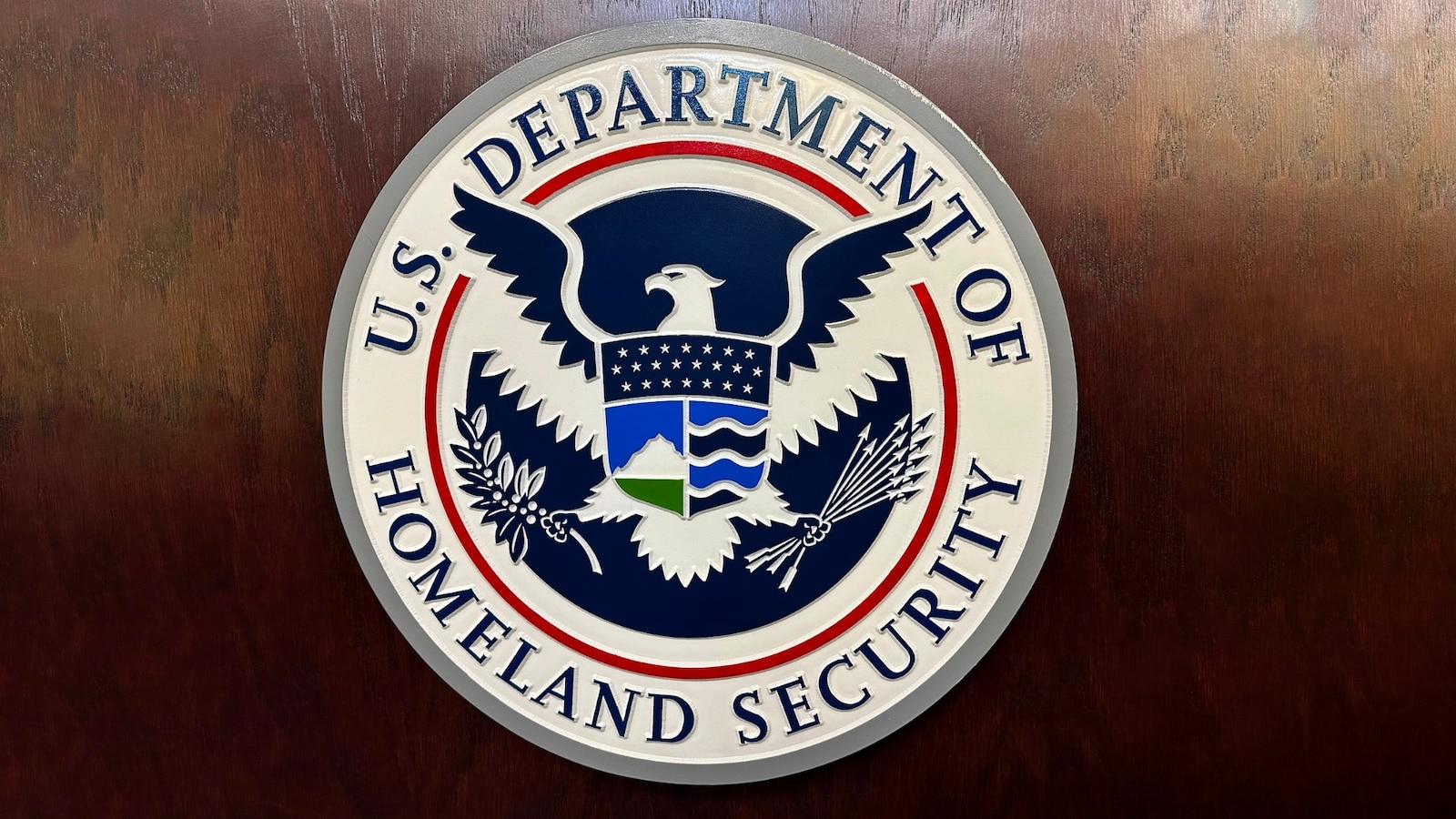
The Department of Homeland Security has issued a serious warning to Americans about potential security threats as tensions with Iran continue to escalate. According to a confidential law enforcement bulletin that ABC News obtained, officials are particularly worried about lone-wolf attackers and cyberattacks that could affect communities across the United States. While authorities don’t believe a large-scale physical attack is likely at this time, they’re concerned about a more persistent and evolving threat landscape. The bulletin specifically states that Iran and groups aligned with Iran probably represent an ongoing threat of targeted attacks on American soil, and these retaliatory actions could intensify significantly if reports about the Ayatollah’s death are confirmed. This situation has put law enforcement agencies nationwide on heightened alert, with officials carefully monitoring both online activity and physical security concerns in communities across the country.
The Cyber Threat: What Americans Should Know
In the immediate future, homeland security officials say their biggest worry centers on cyberattacks rather than physical violence. According to the bulletin, Iran-aligned hackers—often called “hacktivists”—will most likely conduct what are described as “low-level cyber attacks” against American computer networks and online infrastructure. These attacks might include website defacements, where hackers break into websites and change their appearance to display political messages or propaganda, as well as distributed denial-of-service attacks, commonly known as DDoS attacks. These DDoS attacks work by overwhelming websites or online services with massive amounts of traffic, essentially knocking them offline and making them inaccessible to regular users. While these types of cyberattacks might sound less serious than physical violence, they can still cause significant disruption to businesses, government services, and everyday life. Americans who rely on online services for work, banking, shopping, or communication could potentially experience interruptions or security concerns. The emphasis on cyber threats reflects how modern conflicts increasingly play out in the digital realm, where attacks can be launched from thousands of miles away without anyone ever crossing a physical border.
The Austin Incident: Investigating Potential Connections
The homeland security alert took on new urgency just one day after it was issued on Saturday, when a gunman opened fire in Austin, Texas on Sunday. Authorities are now investigating whether the suspect might have been inspired or motivated by the escalating situation with Iran. According to law enforcement sources who spoke with ABC News, the suspect was wearing clothing that potentially signals a connection to the crisis—specifically, a sweatshirt with the words “Property of Allah” printed on it, and underneath that, a shirt featuring the word “Iran” along with the Iranian flag. These details have naturally raised questions about the shooter’s motivation and whether this attack represents the kind of Iran-inspired violence that security officials have been warning about. However, investigators are also looking into whether the suspect had mental health issues, which complicates the picture and reminds us that motivations behind violent acts are often complex and multifaceted. This incident serves as a sobering reminder that the threats outlined in official bulletins aren’t just theoretical—they can materialize in American cities with devastating consequences for innocent people going about their daily lives.
Understanding the Historical Context of Iran-Related Threats
The Department of Homeland Security bulletin provides important historical context that helps Americans understand the nature of the current threat. According to officials, lone attackers in the United States have not historically been motivated by issues related to Iran, the Islamic Revolutionary Guard Corps (IRGC), or Shia violent extremism. This makes the current situation somewhat different from past security concerns. However, officials warn that the current crisis represents what they call an “existential threat” to the Iranian regime, which could change historical patterns. If the United States or Israel takes additional military or diplomatic actions against Iran, security experts worry this could prompt some U.S.-based violent extremists or hate crime perpetrators to attack targets they perceive as Jewish, pro-Israel, or connected to the U.S. government or military. This warning highlights a disturbing reality: international conflicts can inspire violence not just against government or military targets, but also against civilians who happen to be associated—even loosely—with one side of a conflict. Jewish communities and synagogues, Israeli-linked businesses or cultural centers, government buildings, and military facilities could all potentially be viewed as targets by someone radicalized by events in the Middle East.
Law Enforcement Response and Expert Perspectives
Security professionals across the country are taking these threats seriously and adjusting their operations accordingly. Derek Mayer, who formerly served as the assistant Special Agent in Charge of the Secret Service’s Chicago field office and now works as chief security officer and vice president of executive protection at P4 Security Solutions, offered his perspective on the current threat environment. According to Mayer, law enforcement authorities are concerned about potential attacks every day, not just during international crises. However, he acknowledged that events like the recent bombings in Iran could cause attacks to happen at an even higher rate. Mayer pointed out that potential targets are everywhere in American life—schools where children learn, churches where people worship, airports where families travel. He emphasized that while the current threat environment in the United States and around the world is indeed very dangerous, Americans should remember that the security landscape has been challenging for nearly a quarter-century, ever since the September 11th attacks in 2001 fundamentally changed how we think about homeland security. Police departments nationwide have responded to the heightened alert by stepping up patrols in high-traffic areas and locations that might be considered high-value targets for someone seeking to cause harm or make a political statement.
The Unseen Security Measures Protecting Communities
While increased police presence in public spaces might be the most visible sign of heightened security, Derek Mayer wants Americans to know that much more is happening behind the scenes to keep communities safe. During times of elevated threat, law enforcement agencies don’t just add more officers to street patrols—they also significantly increase their presence at government facilities and other sensitive locations. Beyond what the public can see, security officials conduct counter-surveillance operations, where they actively look for people who might be watching or planning attacks on potential targets. Intelligence monitoring also intensifies, with analysts working around the clock to track online communications, assess potential threats, and connect dots that might reveal planning for an attack. These behind-the-scenes efforts represent a massive, coordinated response involving local police departments, state agencies, federal law enforcement, and intelligence services all working together to identify and stop threats before they can harm anyone. While Americans going about their daily routines might not see all this activity, it represents thousands of dedicated professionals working to maintain security during an uncertain time. The current situation serves as a reminder of the complex security challenges facing the United States in an interconnected world, where events happening thousands of miles away can quickly create ripple effects that impact safety and security in American communities.