

Trump Administration’s Emergency Appeal: A Legal Document Unlike Any Other
An Unprecedented Filing Style Meets National Security Concerns
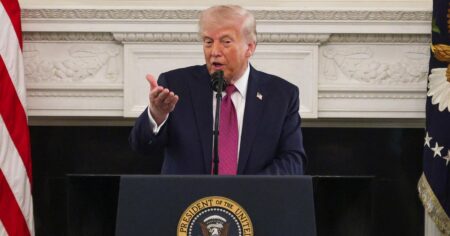
In a remarkable legal filing submitted late Friday, government attorneys representing President Trump requested an emergency ruling from an appeals court to restart construction on the White House East Wing project. What makes this filing particularly noteworthy isn’t just its urgent request—it’s the highly unusual writing style that dominates the opening pages. The document reads less like a traditional legal brief and more like one of President Trump’s characteristic social media posts, complete with exclamation points, capitalized phrases for emphasis, and lengthy run-on sentences. This departure from standard legal writing has raised eyebrows across the legal community, with observers questioning whether the president himself had a direct hand in drafting portions of the document. When asked about Trump’s potential involvement, White House spokespersons declined to comment on two separate occasions, and the attorneys representing the president similarly remained silent when contacted for clarification.
The filing’s unconventional style stands in stark contrast to centuries of legal tradition, where measured language and formal structure have been the unwavering standard. Phrases like “Time is of the essence!” and descriptors such as “shocking, unprecedented, and improper injunction” pepper the document, along with parenthetical asides that might feel more at home on a Twitter feed than in federal court filings. One particularly notable sentence stretches to 130 words and consumes more than half a page—a grammatical marathon that would make most legal writing instructors wince. The document celebrates that “Private donors and American Patriots singlehandedly funded the 300 to 400 Million Dollar project (depending on finishes), which is on budget and ahead of schedule,” emphasizing that “No taxpayer dollars are being used for the funding of this beautiful, desperately needed, and completely secure (for national security purposes) ballroom.” Despite this unusual beginning, the brief does eventually transition to more traditional legal language in its latter pages, suggesting that trained attorneys ultimately shaped the substantive legal arguments.
National Security Revelations: Inside the Fortified East Wing
Beyond its stylistic peculiarities, the legal filing revealed previously classified information about the security features planned for the White House addition, making a compelling case that construction delays could expose the president and White House staff to serious risks. According to the motion, the new structure will incorporate “missile resistant steel columns” and “drone proof roofing materials”—state-of-the-art defensive features designed to protect against modern threats. The filing goes further, disclosing that the building will house critical security infrastructure including “bomb shelters, [a] hospital and medical area, protective partitioning, and Top Secret Military installations.” These revelations provide context for President Trump’s recent comments describing how the planned 1,000-seat ballroom would serve dual purposes, functioning as what he called a “shed” concealing an underground military bunker beneath.
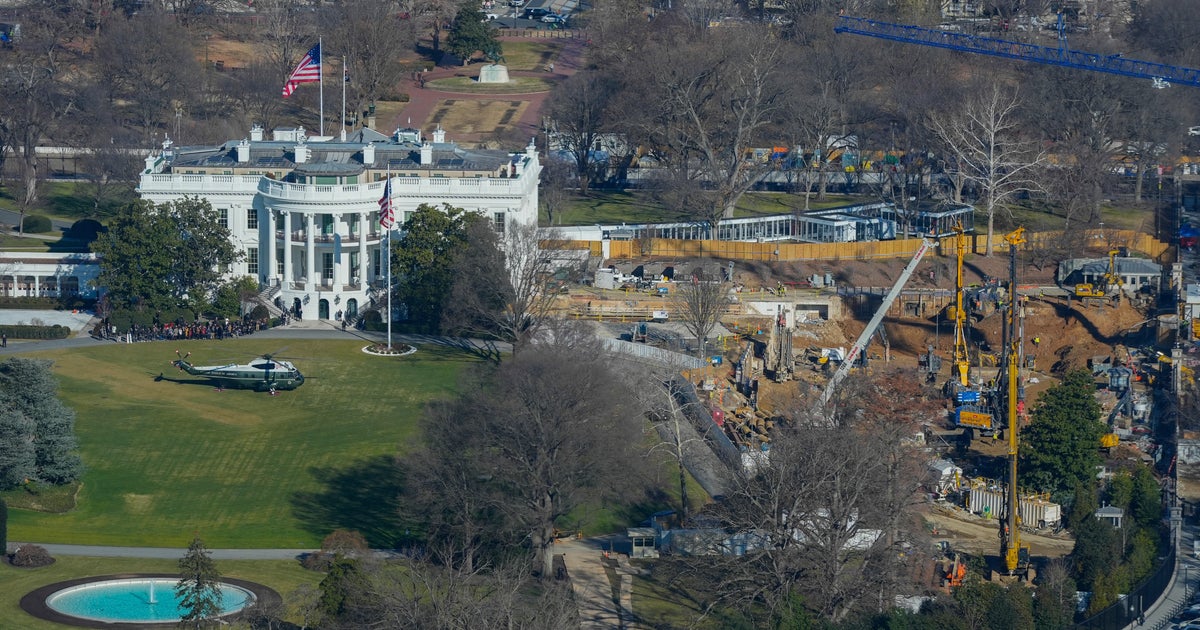
The government’s central argument rests on the premise that leaving the East Wing construction incomplete creates “grave national-security harms” that cannot be tolerated. With the original East Wing already demolished and construction now frozen by court order, the filing suggests that the White House complex currently sits in a vulnerable state, lacking essential protective features that would be provided by the completed structure. This national security argument represents the administration’s strongest case for why normal legal processes should be accelerated or overridden. The timing of these revelations is particularly significant, as the government typically guards details about White House security measures closely. By disclosing these specific features in a public court filing, the administration has chosen to prioritize its legal strategy over traditional operational security protocols, betting that the urgency of the security concerns will outweigh any risks associated with making this information public.
The Legal Battle: From District Court to Potential Supreme Court Showdown
The current emergency appeal stems from a preliminary injunction issued last week by federal Judge Richard Leon, who ordered construction to halt by April 14th. In an ironic twist that hasn’t gone unnoticed by legal observers, Judge Leon’s order also contained multiple exclamation marks—perhaps a reflection of the emotionally charged nature of this case or possibly an unconscious mirroring of the communication style that has become synonymous with the Trump administration. Leon’s ruling determined that the government must obtain congressional approval before proceeding with the project, striking at the heart of executive authority and the separation of powers. However, the judge did include a critical caveat in his order: work could continue if deemed “necessary to ensure the safety and security of the White House,” leaving some room for interpretation about which construction activities might permissibly proceed.
The administration wasted no time responding to this setback, immediately filing an appeal and making clear that it’s prepared to escalate the matter all the way to the Supreme Court if necessary. This aggressive legal strategy signals how seriously the White House views both the construction project and the broader constitutional questions it raises about executive power. The case potentially sets important precedents about what modifications a president can make to the White House complex without legislative approval, whether private funding changes these requirements, and how courts should balance historical preservation concerns against claimed national security needs. Legal experts suggest that if the case does reach the Supreme Court, it could result in a landmark decision that shapes presidential authority for generations to come. The administration’s willingness to push this case to the highest court in the land, despite the delays that might entail, suggests confidence in its legal position or, alternatively, a determination to establish favorable precedents regardless of the immediate outcome for this specific project.
Historical Preservation Versus Executive Authority
The lawsuit that triggered this legal battle was filed in December by the National Trust for Historic Preservation, an organization dedicated to protecting America’s architectural and cultural heritage. The Trust’s opposition to the East Wing project reflects broader concerns about preserving the historical integrity of the White House, which has served as both home and office to every American president since John Adams. The organization argues that dramatically altering the White House complex—particularly by demolishing existing historic structures and replacing them with modern construction—diminishes an irreplaceable national treasure that belongs not to any single president but to all Americans and to history itself. The preservation community views the White House as more than just a functional building; it’s a living museum that tells the story of American democracy and should be modified only with great care and proper authorization.
This conflict highlights a fundamental tension in how we view the White House: Is it primarily a working office and residence for the sitting president, who should have latitude to make modifications as needed for security and functionality? Or is it fundamentally a national monument and historic site that must be preserved for posterity, with changes requiring broad consensus and congressional oversight? The Trump administration clearly holds the former view, emphasizing practical security needs and arguing that private funding should provide greater flexibility for modifications. The National Trust and its supporters champion the latter perspective, insisting that the White House’s historical significance demands protection from hasty alterations, regardless of who pays for them. This philosophical divide explains why the case has generated such intense interest beyond the immediate parties involved—it touches on how Americans understand their relationship to presidential power, national symbols, and shared heritage.
The Road Ahead: Legal Uncertainty and Political Implications
As the appeals court considers this emergency motion, the fate of the East Wing construction project remains uncertain, with implications extending far beyond architecture and construction timelines. If the court grants the administration’s request and allows work to resume, it would represent a significant victory for executive authority and could embolden future presidents to undertake major White House modifications with minimal oversight. Conversely, if the appeals court upholds Judge Leon’s injunction, it would establish that even privately funded presidential construction projects require congressional approval, creating a significant check on executive power. Either outcome will likely be appealed by the losing side, making a Supreme Court showdown increasingly probable.
The political ramifications of this case are equally significant. President Trump has positioned the project as an example of efficient, privately funded government improvement—a narrative that resonates with his supporters who appreciate his business-focused approach and skepticism toward government bureaucracy. His emphasis that “American Patriots” funded the project without taxpayer dollars attempts to preempt criticism about wasteful spending while framing opposition as unpatriotic. However, critics see the episode differently: as another example of presidential overreach, disregard for established norms, and concerning secrecy around who exactly these private donors are and what access or influence they might expect in return for their contributions. As this legal drama unfolds in the coming weeks and months, it will continue generating headlines and potentially influencing public perception of the Trump presidency. Regardless of the ultimate legal outcome, this case has already secured its place in history as one of the most unusual court filings in memory—a document that future legal scholars will likely study as much for its stylistic audacity as for its constitutional significance.