
UK Diesel Prices Soar to 16-Month High as Middle East Conflict Disrupts Global Energy Markets
The Perfect Storm: War and Energy Prices Collide
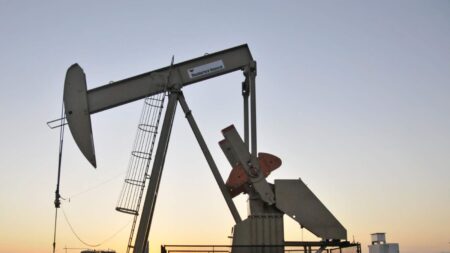
The cost of filling up your diesel vehicle in the UK has reached its highest point in over a year, with prices climbing dramatically in the wake of escalating tensions in the Middle East. Less than a week after conflict erupted in the region, British motorists are feeling the pinch at the pumps, with diesel prices hitting a 16-month peak. The surge comes as Tehran launched retaliatory attacks against Gulf nations following US-Israeli military strikes, causing significant disruptions to the production and delivery of both oil and natural gas across the region. This conflict has put global energy markets into a tailspin, with oil prices rocketing and creating a ripple effect that’s being felt thousands of miles away on British forecourts. The situation has become the primary focus of financial markets worldwide, as traders and analysts scramble to understand the full implications of what many fear could become a prolonged energy crisis if hostilities continue.
The Strait of Hormuz: The World’s Most Critical Oil Chokepoint
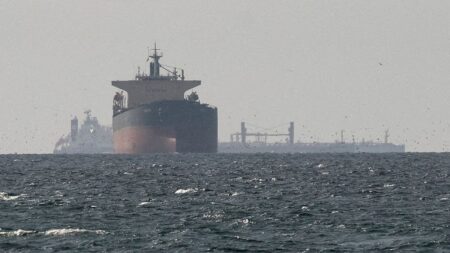
At the heart of this crisis lies the Strait of Hormuz, a narrow waterway in the Persian Gulf that sits between Iran and the United Arab Emirates. This seemingly modest stretch of water is actually one of the world’s most vital shipping lanes, normally witnessing more than 80 tankers passing through each day carrying precious cargo of oil and natural gas to markets around the globe. However, the current conflict has reduced this once-bustling maritime highway to barely a trickle of its normal traffic. Iranian attacks and threats have made the passage increasingly dangerous, with shipping companies forced to reconsider routes or delay journeys altogether. The disruption to these normal trade flows has been swift and severe, and the consequences are being felt almost immediately in petrol and diesel prices across Europe and the United States. When such a critical artery of global energy supply becomes threatened, the effects cascade through the entire system, from wholesale markets to retail forecourts, ultimately landing in the wallets of ordinary drivers who rely on their vehicles for daily life.
How Quickly Prices Rise: From Wholesale to Your Local Pump
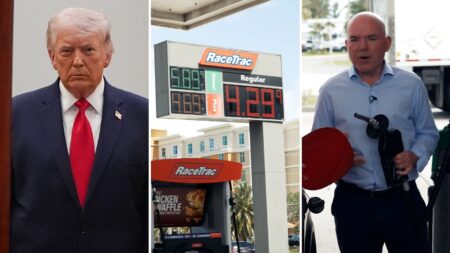
The mechanics of how these geopolitical events translate into higher prices at your local petrol station are both fascinating and frustrating for consumers. Sky News reported on Tuesday that UK diesel wholesale prices had already jumped by 7 pence per litre, while petrol had risen by 2 pence, following significant increases in oil prices when financial markets first reacted to the US-led military strikes. The Petrol Retailers’ Association initially believed these higher wholesale costs would gradually filter through to pump prices over the following two weeks. However, they issued a warning that some forecourts would be forced to pass on these increases much more quickly, depending on the specific nature of their fuel-buying contracts. By Thursday evening, the reality became clear when RAC head of policy Simon Williams revealed that petrol had already increased by 3 pence to 136 pence per litre since Saturday, while diesel had jumped by 5 pence to reach 147 pence per litre – that 16-month high that’s causing such concern. This rapid transmission of price increases has reignited long-standing debates about whether retailers are too quick to raise prices and too slow to lower them when wholesale costs fall.
Industry Response and the Profiteering Debate
In response to concerns about rapidly rising prices, the Petrol Retailers’ Association has encouraged drivers to shop around for the best deals using fuel finder apps and websites, maintaining that their members are not engaging in profiteering. The organization insists it wouldn’t make business sense for fuel operators to price themselves out of the market and drive customers to competitors. However, this reassurance hasn’t quieted all critics, as the fuel retail industry has faced persistent accusations of asymmetric pricing – the tendency to quickly increase prices when wholesale costs rise but slowly decrease them when costs fall. This suspicion has only intensified since the pandemic, with the industry facing what amounts to trial by regulator. The Competition and Markets Authority’s latest fuel market update at the end of last year concluded that motorists were continuing to pay unfair prices, with retailers’ margins remaining “persistently high.” This finding has done little to build trust between consumers and the industry, particularly at moments like this when prices are rising sharply and household budgets are already stretched thin by broader cost-of-living pressures.
Broader Economic Impacts: From Energy to Interest Rates
The crisis isn’t just affecting what drivers pay at the pump – it’s sending shockwaves through the entire economy. On Thursday evening, Brent crude, the international oil benchmark, rose more than 5% during trading to reach $85.50 per barrel, marking the highest level of the crisis thus far. This surge came after Iran launched a new wave of attacks against Israel, American military bases, and countries across the Middle East, including the UAE and Qatar. The ripple effects spread quickly across financial markets, with investors growing increasingly fearful that an extended spike in energy costs could push inflation higher once again. This fear has particular potency because higher inflation typically prompts central banks to maintain or increase interest rates, which affects everything from mortgages to business loans. The London Stock Exchange’s FTSE 100 index ended Thursday almost 1.5% down, with similar falls recorded in France and Germany. Some sectors suffered more than others, with housebuilders taking a particularly hard hit on fears that mortgage rates might rise again just when the market was showing signs of recovery.
Looking Ahead: Uncertainty and Household Finances
As AJ Bell’s head of financial analysis Danni Hewson observed, the widespread nature of the market falls reflects deep-seated concerns about where this crisis might lead. The housebuilding sector’s troubles are particularly telling – after two difficult years when higher mortgage rates deterred many potential buyers, 2025 had promised to be a year of recovery and opportunity. However, news that three major lenders have already reversed course and raised their mortgage rates again represents what Hewson called “a bitter pill to swallow,” especially if concerns about returning higher inflation prove well-founded. For ordinary British households, the picture is decidedly gloomy. Fuel price averages are certain to rise further over the coming weeks as hostilities in the Middle East continue with no clear end in sight. Energy bills, which had only recently started to feel more manageable, are set to rise by 10% according to recent projections. Combined with the prospect of higher mortgage payments and the general uncertainty that comes with global conflict, families are facing a perfect storm of financial pressures. The situation serves as a stark reminder of how interconnected our modern world has become – events in the Persian Gulf can determine whether a family in Birmingham or Edinburgh can afford to fill their tank or heat their home, demonstrating that in today’s global economy, no one is truly insulated from international crises.