



Digital Asset Treasuries Begin Recovery: What This Means for Crypto Markets
The Recent Struggle: When Value Didn’t Match Reality
For anyone watching the cryptocurrency markets closely, late 2025 was a tough period that highlighted a peculiar problem in the digital asset space. Public companies that had invested heavily in cryptocurrencies found themselves in an uncomfortable position – their stock prices were trading below the actual value of the crypto assets they held. Imagine owning a vault full of gold worth $100 million, but the market values your entire company at only $80 million. This doesn’t make logical sense, yet this is exactly what happened to numerous publicly-traded companies with significant cryptocurrency holdings. These firms, often called “digital asset treasuries,” became victims of what market analysts call “discount-driven pressure.” Investors were essentially saying they believed these companies were worth less than the sum of their crypto holdings, a vote of no confidence that suggested deep concerns about either the management of these assets, the volatility of cryptocurrencies themselves, or broader skepticism about the long-term viability of digital assets as corporate treasury holdings. This discounting phenomenon created a paradox where companies were theoretically better off liquidating their assets than continuing to operate, at least from a pure valuation perspective.
The situation became particularly pronounced for companies like Strategy (formerly known as MicroStrategy) and similar treasury-focused firms that had made bitcoin and other cryptocurrencies central to their corporate strategy. These companies had bet big on digital assets, converting significant portions of their cash reserves into cryptocurrency holdings with the belief that these would serve as superior stores of value compared to traditional cash. When their stock prices fell below their net asset value, it raised uncomfortable questions about whether this strategy was working. Shareholders began to wonder if they were paying a premium for management that wasn’t adding value, or worse, if they were being penalized for the concentration risk of holding so much wealth in volatile assets. The discount also made these companies vulnerable to potential activist investors who might argue for liquidation or fundamental strategic changes. For companies that had staked their identity and future on the cryptocurrency revolution, this period represented not just a financial challenge but an existential crisis that questioned the very foundation of their business model.
Understanding the Discount Phenomenon: Why It Happened
To truly grasp what was happening, we need to understand why investors would value a company at less than its holdings. Several factors contributed to this unusual market dynamic. First, there’s the inherent volatility of cryptocurrencies themselves. Bitcoin, Ethereum, and other digital assets are known for dramatic price swings that can see double-digit percentage changes in a single day. Investors buying shares in companies holding these assets were essentially getting exposure to this volatility, but with an additional layer of complexity and risk. Unlike directly owning cryptocurrency, shareholders in these companies couldn’t immediately liquidate their positions at net asset value – they were dependent on the market’s perception of the company as a whole. This additional friction and lack of control justified some level of discount in many investors’ minds.
Second, there were legitimate concerns about the management and operational efficiency of these digital asset treasury companies. Critics argued that simply holding cryptocurrency didn’t require the overhead of a publicly-traded company with executives, board members, and administrative costs. If a company’s primary function was to hold bitcoin, investors questioned why they should pay for corporate infrastructure when they could simply buy bitcoin directly through increasingly accessible platforms and ETFs. This “why pay for a wrapper?” argument put pressure on these companies to demonstrate that they were adding value beyond mere custody of digital assets. Some companies attempted to address this by developing additional revenue streams, offering cryptocurrency-related services, or positioning themselves as thought leaders in the space, but during the downturn in late 2025, these efforts seemed insufficient to justify trading at or above net asset value.
Third, regulatory uncertainty played a significant role in the discounting. Governments around the world were still grappling with how to regulate cryptocurrencies, and public companies holding significant amounts of these assets faced potential complications that individual holders might avoid. There were questions about accounting treatment, tax implications, reporting requirements, and the possibility that future regulations might restrict or complicate corporate cryptocurrency holdings. This regulatory overhang created additional risk that investors factored into their valuations, further depressing stock prices below the value of the underlying assets. Additionally, there were concerns about liquidity – while a company might hold hundreds of millions or even billions in cryptocurrency, actually selling those holdings without significantly impacting market prices was not always straightforward, especially during periods of market stress. This liquidity discount reflected the reality that the theoretical value of holdings and the practical value that could be realized through sales might differ substantially.
Signs of Recovery: The Tide Begins to Turn
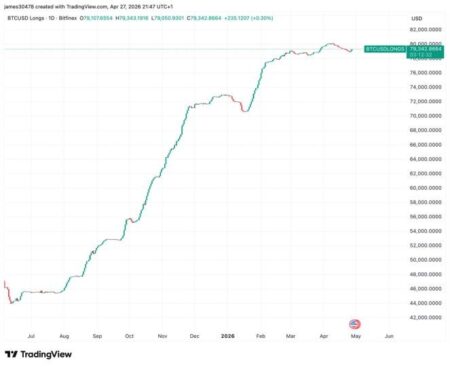
Now, as we move further into 2026, there are encouraging signs that this difficult period may be ending. Digital asset treasury companies are beginning to stabilize, and in some cases, the discounts between stock prices and net asset values are narrowing. This recovery isn’t happening in isolation – it reflects broader improvements in the cryptocurrency market and changing investor sentiment. Bitcoin and other major cryptocurrencies have shown greater price stability recently, reducing some of the volatility concerns that had driven investors away. When digital assets demonstrate more consistent performance, the companies holding them become more predictable investments, and the risk premium that investors demand decreases accordingly. This creates a virtuous cycle where stabilizing cryptocurrency prices lead to improving valuations for treasury companies, which in turn attracts more investors, further supporting stock prices.
Strategy and similar firms have also taken proactive steps to address investor concerns and demonstrate their value proposition beyond simply holding cryptocurrency. These companies have refined their messaging, emphasizing their expertise in digital asset management, their sophisticated approaches to timing purchases and managing holdings, and their role as bridges between traditional equity markets and the cryptocurrency ecosystem. Some have developed analytics and research capabilities that provide valuable insights to shareholders, while others have created cryptocurrency-backed financial products or services that generate additional revenue streams. By demonstrating that they offer more than just passive custody, these companies are making a stronger case for why investors should be willing to pay full net asset value or even a premium for their shares. The market appears increasingly receptive to these arguments, as evidenced by the narrowing discounts.
The introduction and maturation of cryptocurrency-related investment products, particularly bitcoin ETFs and other regulated vehicles, has also paradoxically helped these treasury companies. Initially, many analysts predicted that easily accessible cryptocurrency investment products would make corporate treasury plays obsolete – why buy a company holding bitcoin when you could buy a bitcoin ETF with lower fees? However, the reality has proven more nuanced. These new products have actually legitimized cryptocurrency as an investment asset class, bringing in institutional capital and improving overall market infrastructure. This rising tide has lifted all boats, including corporate treasury stocks. Furthermore, some investors have recognized that treasury companies offer different risk-return profiles than direct cryptocurrency investments or ETFs – they provide leveraged exposure to digital assets (since the companies can use debt or equity raises to buy more cryptocurrency than investors’ contributions alone would permit), along with potential operational upside if the companies successfully develop additional business lines.
What This Means for Investors and the Market
The stabilization of digital asset treasury companies carries important implications for both cryptocurrency markets and traditional equity investors. For the crypto ecosystem, these companies serve as important institutional players whose sustained health contributes to market depth and stability. When firms like Strategy make large bitcoin purchases, they remove supply from circulation and demonstrate ongoing institutional demand, which can support prices. Their recovery suggests that the institutional embrace of cryptocurrency is continuing rather than retreating, sending a positive signal about long-term adoption. Moreover, these companies serve as case studies in corporate cryptocurrency adoption, and their success or failure influences whether other corporations will follow similar strategies. A period of sustained stability and positive performance could encourage more companies to allocate treasury resources to digital assets, potentially bringing significant new capital into cryptocurrency markets.
For equity investors, the narrowing discount represents both an opportunity and a signal. Those who bought shares when companies were trading below net asset value are seeing the gap close, generating returns even without any increase in cryptocurrency prices themselves. This “discount capture” has proven profitable for value-oriented investors who recognized the inefficiency in the market. Going forward, investors face a decision: as discounts narrow or potentially turn into premiums, does the investment thesis still hold? The answer depends partly on whether these companies can deliver on their promises of value-added services and expertise beyond simple custody. Investors will be watching carefully to see if management teams can justify premium valuations through operational excellence, strategic vision, and value creation that extends beyond the performance of their cryptocurrency holdings. The companies that successfully make this transition from pure treasury plays to comprehensive digital asset enterprises will likely command premium valuations, while those that remain passive holders may continue to face skepticism.
The recovery also highlights an important lesson about market efficiency and patience. The discounts that emerged in late 2025 represented a clear example of market inefficiency – companies were trading below the liquidation value of their assets, a situation that classical financial theory suggests should be quickly arbitraged away. Yet these discounts persisted for months, demonstrating that markets can remain irrational longer than many expect, especially in emerging sectors like cryptocurrency where uncertainty is high and investor understanding is still developing. For patient investors willing to withstand volatility and uncertainty, these inefficiencies created opportunities. The subsequent recovery rewards those who maintained conviction during difficult periods, reinforcing the value of contrarian thinking and fundamental analysis. This pattern of temporary mispricing followed by correction is likely to repeat in the volatile cryptocurrency sector, creating future opportunities for those who can identify when fear has driven valuations below intrinsic value.
Looking Ahead: Challenges and Opportunities
Despite the encouraging signs of recovery, digital asset treasury companies still face significant challenges that will determine their long-term success. The cryptocurrency market remains inherently volatile, and future price declines could once again put pressure on these companies’ valuations. A sustained bear market in digital assets would test whether the operational improvements and value-added services these companies have developed are sufficient to maintain investor confidence, or whether they’ll once again trade at substantial discounts to net asset value. Management teams must continue innovating and finding ways to justify their existence beyond simple custody, developing revenue streams and capabilities that differentiate them from passive investment vehicles. This might include cryptocurrency lending services, mining operations, blockchain technology development, or consulting services for other companies looking to implement digital asset strategies.
Regulatory developments remain a wild card that could either support or undermine these companies. Clearer, more favorable regulations around corporate cryptocurrency holdings would reduce uncertainty and potentially eliminate some of the discount factors that have plagued these stocks. Conversely, restrictive regulations could create compliance burdens or limit strategic flexibility, potentially justifying ongoing discounts. Companies in this sector are actively engaging with regulators and policymakers, attempting to shape the emerging regulatory framework in ways that recognize the legitimacy of corporate digital asset holdings while addressing valid concerns about consumer protection and financial stability. The outcome of these regulatory processes will significantly impact the sector’s trajectory.
There’s also the question of competition and market saturation. As more companies adopt cryptocurrency treasury strategies and more investment products provide cryptocurrency exposure, the novelty and scarcity value of digital asset treasury companies diminishes. To maintain their market position, these firms will need to continuously evolve their value propositions, whether through superior performance, better risk management, innovative product development, or some combination of these factors. The companies that thrive will likely be those that can articulate and deliver a clear vision of why investors should choose their shares over the growing array of alternatives for cryptocurrency exposure. As the sector matures, we may see consolidation, with stronger players acquiring weaker ones, or differentiation, with companies specializing in different aspects of digital asset management. The recovery we’re seeing now may be just the beginning of a longer evolution as these companies find their permanent place in the investment landscape, bridging traditional finance and the emerging digital asset economy in ways that create lasting value for shareholders.