

Nathan Chasing Horse Sentenced to Life: A Story of Betrayal and Justice
The Fall of a “Dances With Wolves” Actor
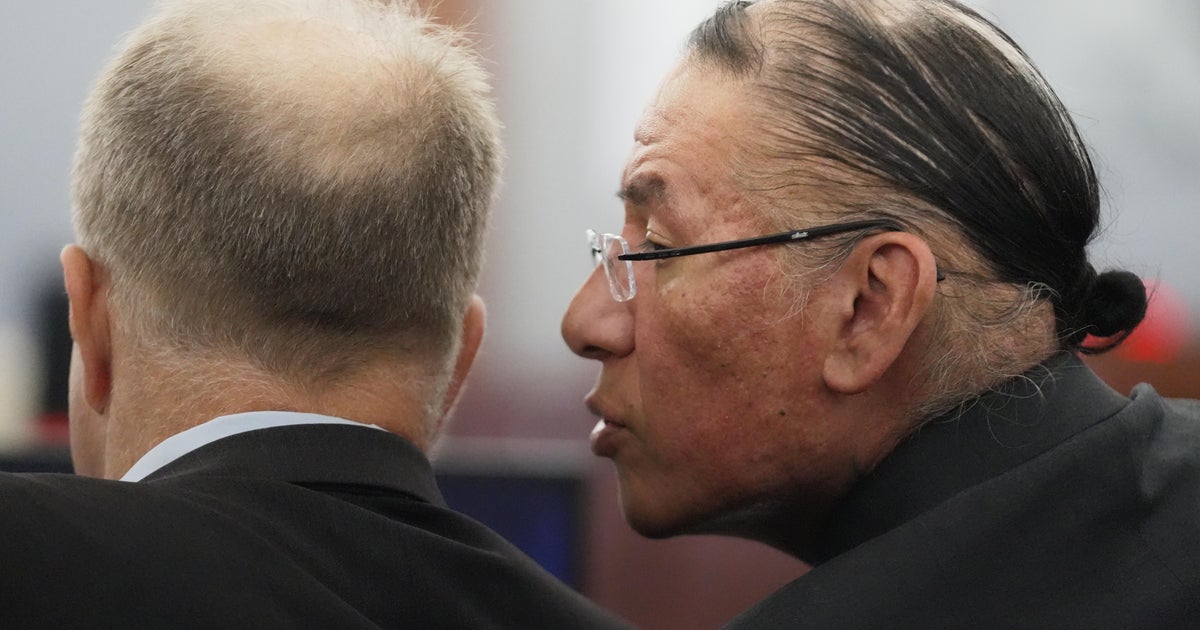
Nathan Chasing Horse, who appeared in the Academy Award-winning film “Dances With Wolves,” has been sentenced to life in prison after being convicted of sexually assaulting Indigenous women and girls. The sentencing, delivered by Nevada Judge Jessica Peterson on Monday, marks the culmination of a disturbing case that has shaken Native American communities across North America. The former actor, who played the young Sioux tribe member Smiles a Lot in Kevin Costner’s celebrated 1990 film, was found guilty on 13 charges, primarily related to sexual assault. Three women came forward to testify against him, including one whose nightmare began when she was just 14 years old. While Chasing Horse was acquitted on some charges, the weight of evidence and testimony proved overwhelming. During the sentencing hearing, he sat motionless in his navy blue Clark County Detention Center uniform, maintaining his innocence and calling the verdict “a miscarriage of justice.” However, the pain and trauma described by his victims and their families painted a very different picture of a man who systematically abused his position of trust and spiritual authority.
A Web of Abuse Spanning Two Decades
The prosecution’s case revealed a disturbing pattern of manipulation and abuse that stretched across nearly 20 years. Deputy District Attorney Bianca Pucci told jurors that Chasing Horse deliberately “spun a web of abuse” that trapped numerous women in cycles of victimization. Born on the Rosebud Reservation in South Dakota, home to the Sicangu Sioux tribe, Chasing Horse leveraged both his Hollywood fame and his claimed status as a Lakota medicine man to gain access to vulnerable Indigenous women and girls. After his appearance in “Dances With Wolves,” he traveled extensively throughout Indian Country, attending powwows and conducting healing ceremonies. Prosecutors argued that he used this reputation and these sacred traditions as hunting grounds, identifying and grooming potential victims under the guise of spiritual guidance and healing. The three women who testified during his trial described how they initially sought Chasing Horse’s help for legitimate reasons—participating in ceremonies or seeking medical assistance—only to find themselves trapped in situations of sexual abuse. Their stories revealed a calculated predator who understood exactly how to exploit the trust placed in spiritual leaders within Indigenous communities.
The Heartbreaking Story of Corena Leone-LaCroix
Among the most heartbreaking testimonies was that of Corena Leone-LaCroix, who bravely chose to come forward publicly with her story. In 2012, when she was just 14 years old, Leone-LaCroix’s mother was diagnosed with cancer. In her family’s desperate search for hope and healing, they turned to Chasing Horse. What happened next demonstrates the depths of his manipulation and cruelty. According to prosecutors, Chasing Horse told the frightened teenager that the spirits wanted her to surrender her virginity to him in order to save her mother’s life. He then sexually assaulted her and added another layer of psychological torture by warning her that if she told anyone about what happened, her mother would die. This threat kept Leone-LaCroix silent while the abuse continued for years. The Associated Press typically protects the identities of sexual assault victims, but Leone-LaCroix chose to reclaim her voice and identity by speaking publicly. Her courage in coming forward helped break the silence that Chasing Horse had weaponized to continue his pattern of abuse. The case highlighted how predators in positions of spiritual authority can use believers’ faith and desperate circumstances against them, creating situations where victims feel they cannot speak out without dire consequences.
The Defense’s Failed Strategy and Ongoing Legal Battles
Chasing Horse’s defense team attempted to discredit the accusations by attacking the credibility of the main accuser, dismissively referring to her as a “scorned woman.” This strategy, which often seeks to blame victims rather than hold perpetrators accountable, ultimately failed to convince the jury. After his conviction, his attorney filed a motion for a new trial, arguing technical issues including that a witness wasn’t qualified to testify about grooming behaviors and that the statute of limitations had expired on some charges. Judge Peterson denied this motion, clearing the way for Monday’s sentencing. However, Chasing Horse’s legal troubles extend far beyond Nevada. The initial arrest and indictment in 2023 sent shockwaves through Indigenous communities across North America, prompting law enforcement agencies in other jurisdictions to investigate their own cases against him. In British Columbia, Canada, Chasing Horse faces a sexual assault charge related to an alleged incident in September 2018 near Keremeos, a village about four hours east of Vancouver. These charges were filed in February 2023 but were paused in November of that year due to the ongoing U.S. proceedings. The case resumed in 2024, and according to Damienne Darby, communications counsel for the British Columbia Prosecution Service, prosecutors will assess their next steps once all of Chasing Horse’s appeals in the United States have been exhausted. Additionally, a warrant remains outstanding against him in Alberta, where the Tsuut’ina Nation Police Service continues to coordinate with the Alberta Crown Prosecutors Office regarding their case.
The Long-Lasting Impact on Victims and Their Families
During the sentencing hearing, victims and their family members provided powerful testimony about the ongoing trauma they continue to experience as a result of Chasing Horse’s actions. Many described how his betrayal had fundamentally damaged their relationship with their faith and spiritual traditions. For Indigenous communities, where spirituality and cultural practices are deeply interconnected with identity and community bonds, this spiritual betrayal represents a particularly devastating form of harm. One mother of a victim expressed the profound sense of betrayal, explaining how Chasing Horse had violated sacred traditions and abused the trust that families placed in him as a spiritual leader. Another mother testified that even now, years later, she struggles to regain her faith and spirituality. The victims themselves described ongoing physical and emotional consequences. One woman shared that she still faces medical complications after suffering an ectopic pregnancy as a result of the assault, requiring surgery and leaving lasting health impacts. Despite the pain, several victims expressed determination to move forward. One stated, “I am choosing to see this moment as a fresh start. I will rebuild my life, reclaim my voice and continue fighting for the future I deserve.” These words capture both the resilience of survivors and the long road to recovery that lies ahead.
Accountability, Trust, and Healing in Indigenous Communities
Dr. Crystal Lee, CEO and founder of United Natives, an organization that provides services to victims of sexual abuse, offered important perspective on the broader implications of this case. She expressed hope that the victims would find peace with the sentencing and emphasized the critical importance of holding high-profile perpetrators accountable, regardless of their status or position in the community. Dr. Lee drew parallels between Chasing Horse’s abuse and similar patterns seen with other faith leaders who exploit their positions of authority, noting that he weaponized both his status as an actor and his claimed identity as a medicine man to access and prey upon victims. “I think it makes us question who we trust and why we trust,” Dr. Lee observed, touching on one of the most painful aspects of such cases. When trusted spiritual leaders betray that trust, it creates ripples of doubt and pain that extend far beyond the immediate victims, potentially undermining faith in legitimate spiritual practitioners and cultural traditions. The case also highlights the importance of believing victims who come forward with allegations against powerful or respected community figures. Too often, the status of the accused is used to discredit accusers, but this case demonstrates that celebrity, spiritual authority, or community standing should never provide immunity from accountability. As Indigenous communities process the impact of Chasing Horse’s crimes, there is recognition that healing will require not only justice for individual victims but also broader conversations about protecting vulnerable community members, maintaining the integrity of sacred traditions, and creating systems where victims feel safe coming forward without fear of being disbelieved or blamed.