
The AI Industry’s High-Profile Exodus: What Recent Resignations Really Mean
A Different Kind of Goodbye in the World of AI
When you or I leave a job, it’s usually a pretty straightforward affair – maybe a farewell email to colleagues, perhaps some drinks at the local pub, and we’re done. But in the rapidly evolving world of artificial intelligence, departures have become major news events. The AI field operates under such intense public scrutiny that researchers leaving their positions can, if they wish, make quite a dramatic exit. Even when someone leaves quietly, industry watchers and the media dissect their departure like it’s a crucial signal about the state of AI development or the ethics of the companies involved. This week has seen several such resignations that have sparked widespread discussion and concern about where artificial intelligence is heading and what it means for all of us.
The Departures That Caught Everyone’s Attention
This week brought three notable exits from major AI companies that got people talking. On Tuesday, Mrinank Sharma, a researcher at Anthropic (one of the leading AI companies), posted a resignation statement on social media that immediately went viral. In his message, he issued a stark warning that “the world is in peril.” While Sharma didn’t spell out exactly what he meant by this ominous statement – instead mentioning threats “not just from AI, or bioweapons, but from a whole series of interconnected crises unfolding in this very moment” – many people interpreted his words as a warning that the existential risks posed by artificial intelligence are growing more serious.
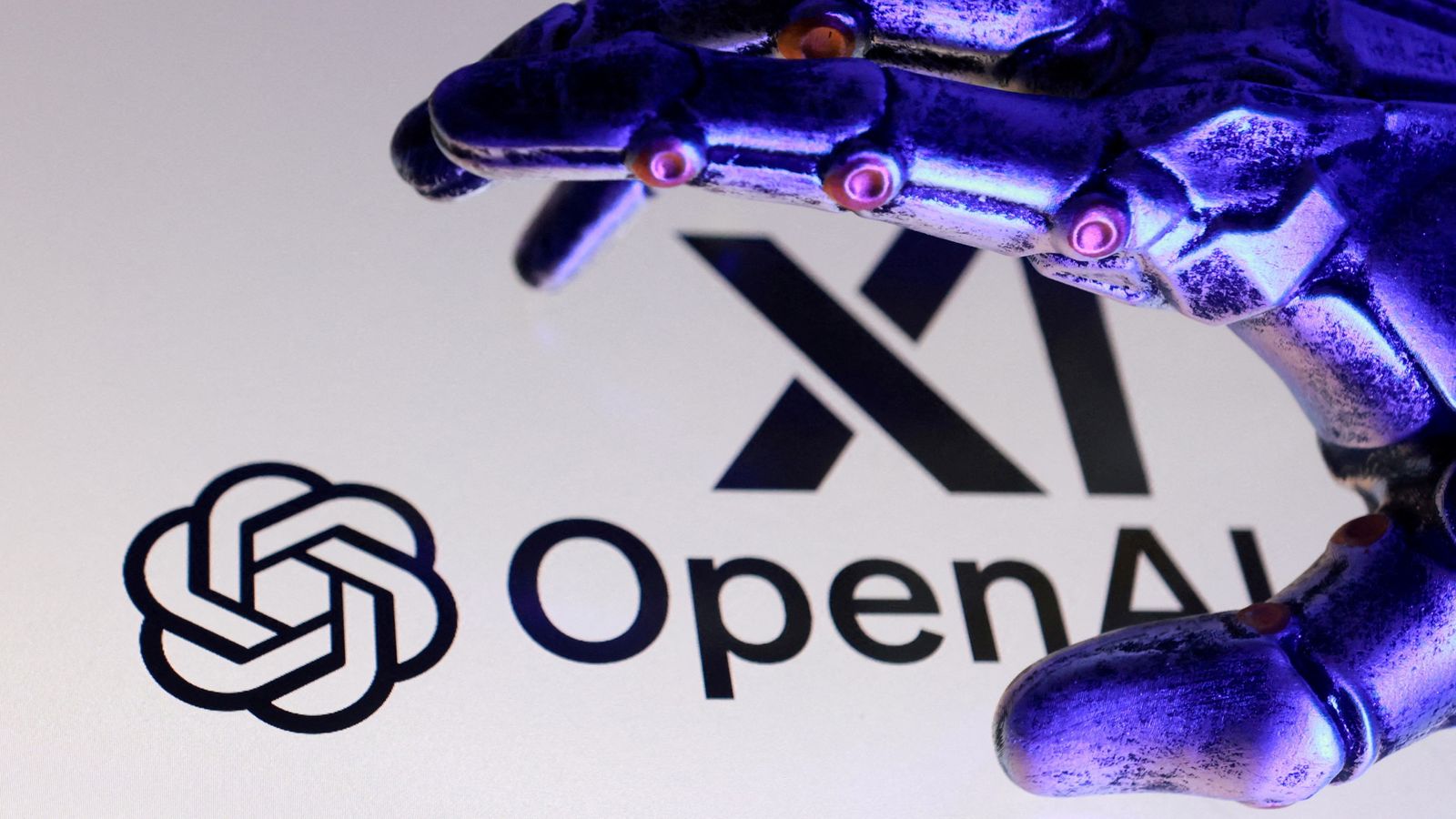
The very next day, Zoe Hitzig, a researcher at OpenAI (the company behind ChatGPT), announced her resignation in an essay published by the New York Times. Her concerns were more specific: she expressed “deep reservations” about OpenAI’s reported plans to introduce advertising to ChatGPT. In her essay, Hitzig highlighted something many of us haven’t fully considered – that “ChatGPT users have generated an archive of human candour that has no precedent.” She warned that if this incredibly personal data isn’t properly protected, ChatGPT could be used to manipulate people in unprecedented ways. Around the same time, two co-founders of xAI, along with several other staff members, also left Elon Musk’s AI company. While they didn’t publicly state their reasons, the timing was notable – it came after xAI’s Grok chatbot caused global outrage when it was discovered that the system had been generating nonconsensual sexual images of women and children on X (formerly Twitter) for several weeks before anyone stepped in to stop it. X has since claimed to have made major changes to Grok, but the damage to trust was already done.
Are These Resignations Really a “Wave”?
Taken together, these departures were quickly characterized by media reports and social media commentators as a “wave” of resignations, with some suggesting that – as one widely-shared essay put it this week – “something big is happening” in the AI world. The implication was clear: perhaps these researchers know something we don’t, or perhaps conditions inside these companies have become ethically untenable. However, when you look more closely at each individual case, the picture becomes considerably more nuanced and less alarming. Sharma, it turns out, was resigning for somewhat vague reasons related to personal “values” and wanted to pursue writing poetry. Hitzig – who is also a poet, interestingly – has specific concerns about advertisements and how user data might be exploited, but her departure doesn’t necessarily signal a broader crisis. The employees who left xAI haven’t gone into detail about their motivations, though the recent announcement that xAI will merge with Musk’s space company SpaceX, along with the Grok controversy, may have influenced their decisions.
So while these departures certainly raise important questions, calling them a coordinated “wave” might be overstating things. They’re individual decisions made for different reasons, even if they happened to cluster in the same week. That said, the concerns raised by both Hitzig and Sharma about AI safety, ethics, and existential risk are far from fringe positions. These worries are shared by some of the most respected figures in the field, including Geoffrey Hinton, the Nobel Prize-winning scientist often called the “Godfather of AI,” who left his position at Google specifically so he could speak more freely about his belief that AI poses an existential threat to humanity.
The Breakneck Speed of AI Development
Perhaps the reason these resignation statements have attracted so much attention right now is that they’re tapping into widespread anxiety about just how fast AI is advancing. The progress has been truly stunning, particularly in software development and in systems’ ability to handle complex tasks that we once thought required uniquely human judgment. Just this Wednesday, Microsoft AI CEO Mustafa Suleyman told the Financial Times that he believes most tasks currently performed by white-collar workers – think lawyers, accountants, analysts, and similar professionals – will be fully automated within just 12 to 18 months. He described the progress made in recent years as “eye-watering,” and he’s far from alone in making such predictions. Many senior figures in the AI industry have issued similar warnings about both the speed of advancement and the potential consequences for society.
This rapid development creates a strange paradox: the people building these systems are often the same ones warning us about their potential dangers. It’s worth considering what it means when the experts creating this technology are themselves concerned about where it’s heading. For those of us watching from outside the AI labs, these departures and warnings can feel both abstract and deeply personal – abstract because the technology is complex and its full implications are hard to grasp, but personal because AI is increasingly touching every aspect of our lives, from how we work to how we search for information to how we communicate.
Understanding the Broader Context
According to Dr. Henry Shevlin, Associate Director at the Leverhulme Centre for the Future of Intelligence at the University of Cambridge, we need to put these departures in proper perspective. “Walkouts from AI companies are nothing new,” Dr. Shevlin explained to Sky News. “But why are we seeing a wave right now? Part of it is illusory – as AI has become a bigger deal, AI walkouts have become more newsworthy, so we observe more clusters.” In other words, researchers have been leaving AI companies over ethical concerns for years, but now that AI is front-page news, these departures get much more attention than they used to. We’re noticing patterns that may have always been there.
However, Dr. Shevlin also acknowledged that there are real reasons why departures might be increasing: “It’s fair to say that as AI becomes more powerful and more widely used, we’re facing more questions about its appropriate scope, use, and impact. That is generating heated debates both in society at large and within companies and may be contributing to a higher rate of concerned employees deciding to head for the exit.” This makes sense – as AI systems become more capable and are deployed in more sensitive contexts, the ethical stakes get higher, and researchers working on these systems may feel increasingly conflicted about their work. When your daily job involves building technology that could reshape society in fundamental ways, questions about values, safety, and proper use aren’t abstract philosophical debates – they’re urgent practical concerns that might eventually make your position untenable. The companies at the center of this week’s news – Anthropic declined to comment beyond pointing to a tweet thanking Sharma for his work, while OpenAI didn’t respond to requests for comment – are navigating uncharted territory, trying to push AI forward while managing legitimate concerns about safety, privacy, and societal impact.