
Dogecoin Trading Volume Doubles While Price Stays Stubbornly Flat: What’s Really Going On?
A Surge in Interest That Hasn’t Translated to Movement
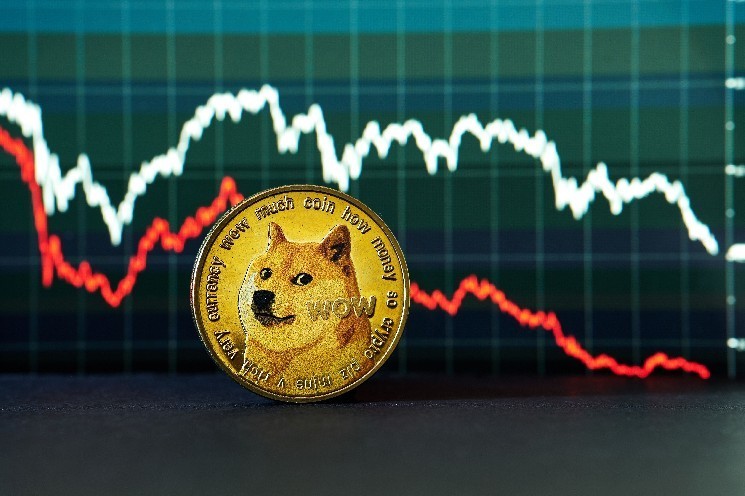
Something unusual is happening with Dogecoin right now, and traders across the cryptocurrency market are taking notice. The popular meme coin, which has captured the imagination of retail investors since its creation, is experiencing a dramatic spike in trading activity—we’re talking more than double the volume seen in recent sessions. You’d typically expect such a surge to move the price needle significantly, but here’s where things get interesting: Dogecoin’s price is essentially standing still, stuck around the $0.093 mark. This disconnect between what traders are doing and what the price is showing creates a puzzle that has market watchers scratching their heads. As of the latest trading data, Dogecoin sits at approximately $0.09344, actually down 6.20% over the past twenty-four hours. This strange situation—massive volume with minimal price reaction—often signals something significant brewing beneath the surface, though whether that’s positive or negative remains the million-dollar question that everyone’s trying to answer.
The Battle Between Bulls and Bears Reaches a Stalemate
When you look at what’s actually happening in the market right now, it’s like watching two equally matched arm wrestlers locked in position—neither side is giving an inch. Despite the doubling of trading volume, Dogecoin’s price action tells a story of complete deadlock. Buyers are certainly trying their best to push the price higher, putting their money where their mouth is with increased purchasing activity, but they’re running into an absolute wall of selling pressure. Every time optimistic traders attempt to drive the price upward, sellers emerge from the woodwork to shut down the rally before it can gain any meaningful momentum. This tug-of-war is playing out in real-time, and neither side has managed to claim victory yet. The chart patterns paint a picture that many Dogecoin holders probably don’t want to see but can’t ignore. Since late last year, Dogecoin has been caught in a persistent downtrend, with the price sitting uncomfortably below several important technical indicators known as moving averages. For those unfamiliar with technical analysis, moving averages are like the average price over a set period, and when a cryptocurrency trades below these lines, it’s generally not a great sign. Each time Dogecoin has attempted to rally recently, it’s created what traders call a “lower high”—basically, each peak is lower than the one before it. Similarly, each dip has created a “lower low.” This stair-step pattern downward is textbook bearish price action, and until this pattern breaks, the technical picture remains negative.
Technical Resistance Creates a Ceiling Dogecoin Can’t Break
The moving averages that Dogecoin is struggling with aren’t just lines on a chart—they’re acting as very real barriers to upward movement. These technical levels have consistently sloped downward, creating what traders call “dynamic resistance.” Think of it as a descending ceiling that keeps getting lower, making it progressively harder for the price to break through. Every time Dogecoin has approached these levels in recent weeks, it’s been pushed back down, unable to generate the momentum needed for a sustained breakout. Without a clear and convincing move above these resistance levels, the overall technical analysis continues to flash warning signals for anyone hoping for a quick recovery. However, and this is important, that massive spike in trading volume simply cannot be dismissed or swept under the rug. When trading activity genuinely doubles within such a compressed timeframe, it means the market—by which we mean actual traders with real money on the line—is definitely paying attention to Dogecoin. Something has captured their interest, even if we can’t immediately see what that catalyst might be. History has shown us time and again that significant increases in volume frequently serve as the appetizer before the main course of volatility arrives. What this means in practical terms is that traders might be positioning themselves now, ahead of an anticipated price movement that could break in either direction. The volume itself doesn’t tell us which way the price will eventually move, but it does suggest that when it finally does move, that movement could be substantial.
The Derivatives Picture Tells a Different Story
While the spot market shows a price going nowhere fast, if we peek behind the curtain into the derivatives market—where traders bet on future price movements using leveraged positions—we see a completely different narrative unfolding. The long-short ratios for Dogecoin, which measure how many traders are betting on the price going up versus going down, are heavily tilted toward the bullish side. A substantial portion of active derivatives traders are placing their bets on a Dogecoin price rebound, essentially saying “we think this is going higher from here.” This optimistic positioning persists stubbornly even as the actual spot price continues to decline, which creates a fascinating contradiction. These traders are maintaining their bullish conviction in the face of contrary evidence, which could mean they know something the spot market hasn’t priced in yet, or it could mean they’re about to learn an expensive lesson. What we’re seeing is a classic case of market participants anticipating a reversal before that reversal has actually confirmed itself in the price action. This kind of positioning is extremely common in cryptocurrency markets, where the fear of missing out can drive traders to establish positions earlier than might be prudent. The psychological appeal is obvious—if you wait for confirmation, you might miss the biggest gains, so why not get in early? The problem, of course, is that “early” can easily become “wrong” if the expected move never materializes.
The Liquidation Risk That Could Amplify Any Downturn
Here’s where things get potentially dangerous for those bullish derivatives traders. That heavy concentration of long positions—bets that the price will go up—creates a specific and significant risk that could turn a gradual decline into a waterfall. If the rally that these traders are expecting simply doesn’t happen, and if instead the price continues downward or drops suddenly, those leveraged positions face something called forced liquidation. In plain English, this means that when leveraged positions move too far against the trader, the exchange automatically closes them to prevent further losses. When a large number of these liquidations happen simultaneously, it creates additional selling pressure that can push the price down even faster, which triggers more liquidations, which creates more selling pressure—you can see how this becomes a vicious cycle. The very same traders who are currently betting on Dogecoin’s recovery could inadvertionally become the fuel that accelerates its decline if things don’t go according to plan. This liquidation cascade phenomenon isn’t theoretical—we’ve seen it happen repeatedly in cryptocurrency markets, often with dramatic results. The irony is particularly cruel: the traders most optimistic about an asset’s future can become the mechanism that drives it lower in the short term.
Reading the Tea Leaves: What This Means for Dogecoin’s Future
This situation with Dogecoin isn’t entirely unique—it’s actually fairly typical of how meme coins and speculative cryptocurrencies behave during uncertain periods. These assets frequently attract aggressive speculative positioning well before any confirmed trend reversal appears in the actual price. The anticipation of a major move often builds much faster than the move itself actually develops, creating these periods of tension where volume surges but price remains range-bound. What we’re likely witnessing is a market in transition, caught between the old downtrend that’s been in place since late last year and the possibility of something new beginning. The doubled trading volume suggests increased participation and interest, which is generally necessary for any significant trend change to occur. However, the fact that this volume hasn’t yet translated into upward price movement indicates that selling pressure remains formidable. For Dogecoin holders and potential investors, this creates a “wait and see” moment. The technical picture remains bearish until proven otherwise—meaning until we see a convincing break above those descending moving averages with strong volume support. The derivatives positioning suggests that many sophisticated traders believe such a break is coming, but their collective opinion, while interesting, doesn’t guarantee anything. Markets have a way of punishing consensus thinking, especially when that thinking gets too one-sided. The ultimate resolution of this standoff between volume and price, between bullish derivatives positioning and bearish chart structure, will likely come sooner rather than later. Periods of compression like this—where price goes sideways while volume increases—typically don’t last indefinitely. Eventually, something has to give, and when it does, the move could be significant in magnitude given all the energy being coiled up in this tight range. Whether that break comes to the upside, rewarding the optimistic derivatives traders, or to the downside, triggering those feared liquidation cascades, remains the question everyone’s trying to answer. For now, Dogecoin sits in this uncomfortable middle ground, with the market clearly engaged and paying attention, but without clear conviction about which direction comes next.