
Stock Market Takes Major Hit as Middle East Conflict Drives Oil Prices Higher
Wall Street Reels from Geopolitical Uncertainty
Thursday brought a harsh reality check to investors as stock markets experienced significant turbulence, with the Dow Jones Industrial Average plummeting nearly 800 points in a single trading session. The dramatic selloff came as escalating tensions in the Middle East sent oil prices soaring, awakening fears that America’s hard-won battle against inflation could face a serious setback. The market’s reaction was swift and severe—the Dow dropped 1.6%, briefly touching a decline of over 1,000 points before recovering slightly. Meanwhile, the S&P 500 fell 0.6%, and even the typically resilient tech-heavy Nasdaq composite couldn’t escape the downdraft, sliding 0.3%. What’s driving this anxiety? A fresh wave of Iranian attacks targeting Israel, American military installations, and neighboring countries has thrust the Middle East back into the spotlight as a critical flashpoint for global economic stability. Investors are now grappling with uncomfortable questions about how long disruptions to oil and natural gas production and transportation might persist, and what that could mean for an economy that had been showing signs of stabilization.
Energy Markets Respond to Escalating Regional Conflict
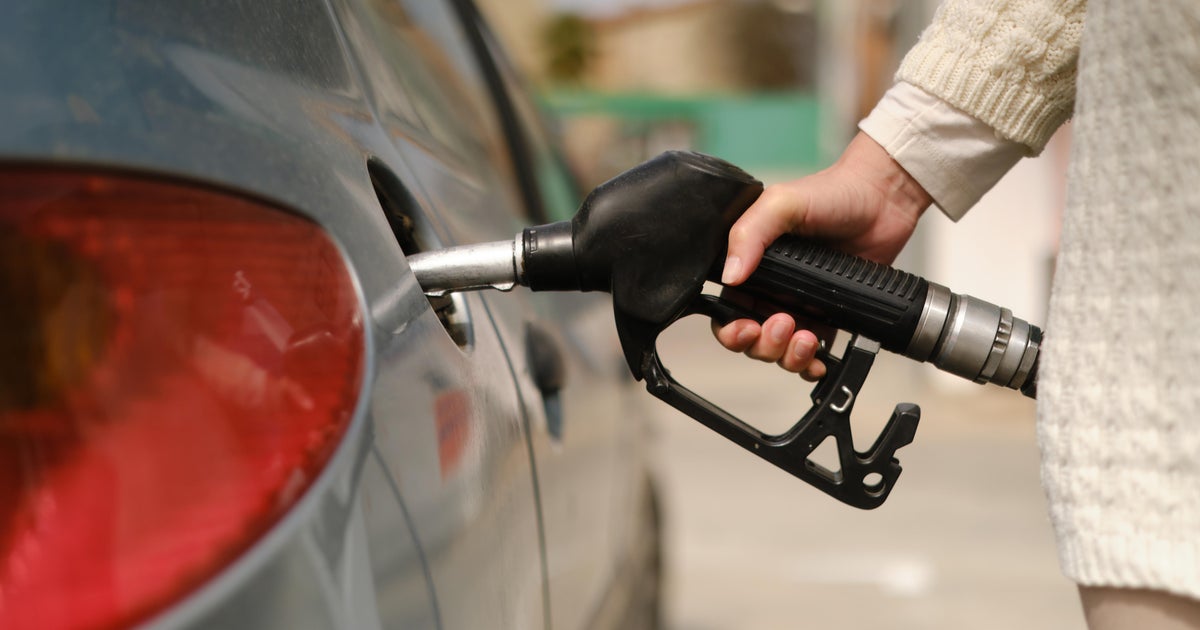
The commodity markets told the story clearly: oil prices jumped dramatically as traders priced in the risk of prolonged supply disruptions. Brent crude, the international benchmark that sets the tone for global energy prices, surged 4.2% to reach $84.75 per barrel—a remarkable jump from the $70 range it occupied just days earlier. The American benchmark wasn’t far behind, with U.S. crude climbing an even steeper 6.9% to settle at $79.80 per barrel. These aren’t just abstract numbers on a trading screen; they translate directly to what Americans pay at the pump. According to GasBuddy, gasoline prices across the United States have already climbed to an average of nearly $3.26 per gallon, representing a sharp 26-cent increase in just one week. For families already stretching their budgets, this sudden spike in transportation costs couldn’t come at a worse time. Energy analysts are drawing uncomfortable parallels to 2022, when Russia’s invasion of Ukraine sent shockwaves through global energy markets. Simon Flowers, chief analyst at Wood Mackenzie, warned that the consequences for gas and liquefied natural gas could potentially rival that earlier crisis, though much depends on whether the current disruption proves temporary or becomes something more enduring, and whether critical infrastructure in the region sustains major damage.
The Inflation Threat Returns to Center Stage
Just when Americans thought they’d turned the corner on inflation, the specter has returned with a vengeance. Wall Street analysts and economists are sounding alarm bells about what sustained higher energy prices could mean for the broader economy. Oxford Economics researchers Bernard Yaros and Sara Godfrey noted the particularly troubling timing of these developments, pointing out that “these events are unfolding while gasoline demand is low, but the longer the conflict lasts, the more households will feel the pinch from higher pump prices.” This creates a dangerous feedback loop for the economy: when people spend more to fill their gas tanks, they have less money for everything else, from dining out to buying new clothes to planning vacations. The retail sector felt this anxiety acutely on Thursday, with retail stocks posting some of the market’s worst performances. Even companies delivering strong financial results weren’t immune. American Eagle Outfitters saw its stock plunge 13.9% despite reporting quarterly profit and revenue that actually exceeded analyst expectations—a clear sign that investors are looking beyond current performance to worry about future consumer spending power. The airline industry also took it on the chin, with American Airlines down 5.4%, United falling 5%, and Delta sinking 4%. Airlines face a double whammy: not only do higher oil prices directly inflate their already substantial fuel costs, but the conflict has also left hundreds of thousands of passengers stranded across the Middle East, disrupting their operations and revenue streams.
Small Businesses and Interest Rate Concerns
The pain wasn’t distributed evenly across the market, with smaller companies bearing a disproportionate burden. The Russell 2000 index, which tracks smaller-cap stocks, tumbled 1.9%—the steepest decline among major indexes. This pattern is typical when economic uncertainty rises and when concerns about interest rates intensify. Small companies typically have less financial cushion to weather economic storms and often depend more heavily on borrowed money to fund their operations and growth. Speaking of interest rates, the bond market sent its own warning signal. Treasury yields climbed as traders absorbed the implications of rising oil prices for inflation and, by extension, Federal Reserve policy. The yield on the benchmark 10-year Treasury note rose to 4.14% from 4.09% the previous day, and stood significantly higher than the 3.97% level before the conflict began. These movements in the bond market reflect a fundamental recalculation of expectations. The Federal Reserve had been signaling its intention to cut interest rates later this year, hoping to support the job market and give the economy a gentle boost. But higher oil prices complicate that picture enormously. If inflation begins climbing again, the Fed may feel compelled to keep rates higher for longer to prevent price pressures from becoming entrenched. That would mean continued high borrowing costs for businesses and consumers, potentially slowing economic growth just when the economy seemed to be finding its footing.
Historical Perspective Offers Some Reassurance
Amid all the anxiety and red numbers flashing across trading screens, some market veterans are counseling patience and perspective. History suggests that stock markets have generally proven resilient in the face of Middle Eastern conflicts and other geopolitical crises, often recovering relatively quickly once the immediate shock passes. Scott Wren, senior global market strategist at Wells Fargo Investment Institute, urged investors to maintain a longer-term view: “While further escalation remains a risk, we think the more likely outcome is an increase in market risk aversion that likely lasts only a short time until investors can see a winding down of hostilities.” This doesn’t mean the risks aren’t real—they absolutely are. But seasoned investors have seen markets navigate through difficult periods before and emerge on the other side. The critical variable, according to analysts, is what happens to oil prices from here. If they spike to $100 per barrel or higher and remain elevated, that could prove too much for the global economy to absorb without significant pain. Much depends on the fate of the Strait of Hormuz, the narrow waterway off Iran’s coast through which roughly one-fifth of the world’s oil typically passes. Any sustained disruption to shipping through this critical chokepoint would have profound implications for global energy supplies and prices.
Mixed Economic Signals and the Path Forward
Even as markets grappled with geopolitical uncertainty, incoming economic data painted a somewhat mixed but not entirely discouraging picture of the domestic economy. One bright spot came from the labor market, where fewer Americans filed for unemployment benefits last week than economists had anticipated. This suggests that despite all the turbulence in financial markets and uncertainty about the global situation, the U.S. job market remains relatively healthy—at least for now. The coming weeks will be crucial in determining whether the current market selloff represents a temporary panic or the beginning of a more sustained downturn. Investors will be watching several key factors: whether the Middle East conflict escalates further or begins to de-escalate, how high oil and gasoline prices climb and whether they stabilize, what incoming inflation data shows, and how the Federal Reserve responds to these developments in its policy statements and actions. What’s clear is that the interconnected nature of today’s global economy means that events in one region can rapidly ripple across the world, affecting everything from stock portfolios to grocery bills. For ordinary Americans, the most immediate impact will likely be felt at the gas pump, where prices have already jumped noticeably and could climb higher if the situation in the Middle East deteriorates further. For now, investors are bracing for continued volatility while hoping that cooler heads prevail and that the current crisis proves to be another bump in the road rather than the beginning of a prolonged economic storm.