
UK Economy Struggles to Gain Momentum as Growth Remains Sluggish
Disappointing Growth Figures Paint Concerning Picture
The UK economy continues to limp along, barely managing to stay afloat according to the latest official statistics that have done little to ease growing worries about the country’s economic health. The Office for National Statistics has revealed that the economy grew by just 0.1% during the final three months of 2025, matching the equally underwhelming performance from the previous quarter covering July through September. This falls short of the 0.2% growth that many economists had been hoping to see, adding to concerns that Britain’s economic recovery has well and truly stalled. December alone saw growth of just 0.1%, with economic activity clearly slowing down following a period of hesitation before the November budget announcement. During that pre-budget period, both everyday consumers and businesses seemed to hold their breath, nervously anticipating what financial measures the government might introduce. This caution translated directly into reduced spending and investment, creating a ripple effect throughout the economy that has proven difficult to reverse.
Living Standards Under Pressure as Per-Person Growth Declines
When you dig beneath the surface of these headline figures, the picture becomes even more troubling for ordinary British households. Looking at growth per person—which provides a much more accurate snapshot of how living standards are actually changing for real people—the news gets worse. Output per head of population actually fell across the entire second half of 2025, meaning that even the modest overall growth wasn’t enough to keep pace with the country’s growing population. Liz McKeown, who serves as the ONS director of economic statistics, offered a sobering assessment of the findings, noting that “the economy continued to grow slowly in the last three months of the year, with the growth rate unchanged from the previous quarter.” She pointed out that the services sector, which typically powers the British economy and accounts for the lion’s share of economic activity, showed absolutely no growth during this period. Instead, the modest gains came primarily from manufacturing, which stepped up to carry some of the weight. Meanwhile, the construction industry suffered its worst performance in more than four years, struggling under the weight of various pressures including higher costs and reduced confidence. Despite these challenges in the final months of the year, growth across 2025 as a whole did manage to edge slightly higher than the previous year, with all main sectors of the economy showing some expansion when viewed over the longer timeframe.
Government Faces Mounting Criticism Over Growth Strategy
These disappointing numbers arrive at a particularly awkward time for the government, which finds itself under increasing pressure to stimulate investment and create the conditions for businesses to thrive. Instead, complaints have been mounting about Treasury-imposed costs on businesses that are actively hurting employment and holding back expansion. From the very beginning, Labour has made economic growth the centerpiece of its agenda and the top priority for government action, yet its track record so far has faced harsh criticism from business organizations across various sectors. The retail and hospitality industries have been particularly vocal in their complaints, arguing that government policies are making it harder, not easier, to operate profitably and create jobs. The criticism isn’t just coming from outside the government either—this week it emerged that even senior cabinet members have serious doubts about the administration’s economic approach. In a message sent to Lord Mandelson back in March of last year and recently shared with the media, Health Secretary Wes Streeting bluntly stated that the government had “no growth strategy at all.” This remarkably candid admission from such a high-ranking minister reveals the depth of concern within government circles about the lack of a coherent plan to jumpstart the economy and deliver on Labour’s central promise to voters.
Small Businesses Struggling Under Unprecedented Pressures
The challenges facing Britain’s business community received further attention this week when a parliamentary committee released a damning report calling for urgent reforms to prevent more businesses from closing their doors for good. The Business and Trade Committee’s investigation found that small businesses across the country are now operating under pressures that are similar to, and in some cases actually worse than, what they experienced during the darkest days of the COVID pandemic. The committee demanded a series of measures to help struggling firms, including cutting various business costs, completely overhauling the business rates system that many see as outdated and unfair, and putting an end to the practice of late payments that leaves small suppliers cash-strapped while waiting for larger companies to pay their bills. Business owners have been remarkably open about the fact that they’re passing higher employment costs directly onto their customers through price increases, having little choice if they want to remain viable. The employment picture has deteriorated significantly, with the UK’s unemployment rate climbing by a full percentage point to reach 5.1% since the current government took office in 2024. Investment decisions are being postponed or cancelled altogether, according to business groups, not only because of these higher operating costs but also due to broader uncertainties clouding the economic horizon, including the unpredictable effects of Donald Trump’s aggressive trade policies and tariff wars that threaten to disrupt international commerce.
Chancellor Defends Economic Record Despite Challenges
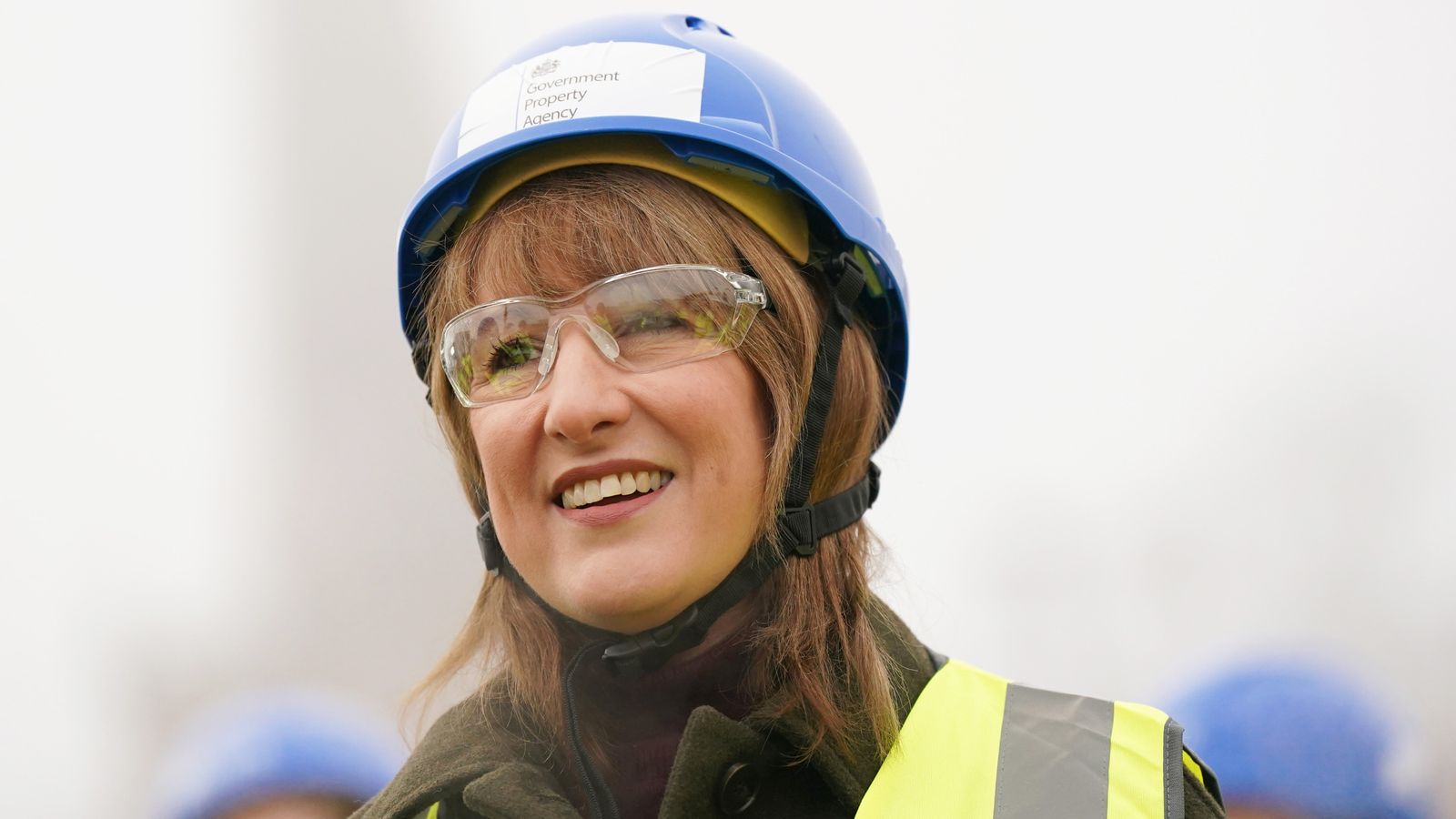
Chancellor Rachel Reeves, facing growing questions about her stewardship of the economy, put a positive spin on the figures and defended the government’s economic approach. She pointed to what she described as significant achievements, stating that “thanks to the choices we have made, we’ve seen six interest rate cuts since the election, inflation falling faster than predicted and ours is the fastest growing G7 economy in Europe.” The Chancellor expressed confidence that “the Government has the right economic plan to build a stronger and more secure economy, cutting the cost of living, cutting the national debt and creating the conditions for growth and investment in every part of the country.” There is some good news on the inflation front, with forecasts suggesting that price increases should ease sharply in the coming months after eighteen months of persistent upward pressure that has squeezed household budgets and reduced people’s purchasing power. Lower inflation would provide some breathing room for families and businesses alike, though many economists point out that even with falling inflation, prices remain significantly higher than they were just a few years ago, meaning the cost of living crisis hasn’t gone away even if it’s no longer getting worse as quickly.
Cautious Optimism Mixed with Calls for Policy Changes
Looking ahead to 2026, economists are offering cautiously optimistic forecasts while warning that significant risks remain. Most economic forecasters expect this year to deliver growth just slightly below the 1.3% figure achieved in 2025, suggesting more of the same sluggish performance rather than any dramatic improvement or deterioration. Yael Selfin, who serves as chief economist at KPMG UK, said he expects economic activity to pick up somewhat in the coming months but is forecasting overall growth of just 1% for the year—hardly the robust expansion the government had hoped to deliver. Selfin highlighted a critical concern, writing that “renewed uncertainty has emerged as a risk to the growth outlook this year. To avoid hindering economic growth momentum, households and businesses need stable foundations and policy clarity.” This call for stability and clear direction echoes demands from opposition parties, who are pressing the government to reverse course on some of the business burdens imposed by the Chancellor in recent budgets. They argue that lifting these costs would unlock private sector investment that’s currently sitting on the sidelines, creating jobs and driving the economic growth that everyone agrees is desperately needed. The debate over the right path forward continues, but what’s clear is that the current approach isn’t delivering the results that were promised, leaving the government searching for answers while businesses and households wait for conditions to improve.