
El Niño’s Expected Return: What It Means for Weather, Hurricanes, and Global Temperatures
A Climate Shift on the Horizon
After months of La Niña conditions keeping equatorial Pacific waters cooler than average, climate scientists are increasingly confident that El Niño will return later this year, potentially reshaping weather patterns across the globe. The National Oceanic and Atmospheric Administration (NOAA) has issued an El Niño Watch, signaling that conditions are ripening for this significant climate phenomenon to develop within the next six months. According to NOAA’s latest projections, there’s a 62% chance that El Niño will emerge between June and August, with the likelihood increasing as we move into autumn. However, experts emphasize that both the timing and intensity of this event remain uncertain, particularly because spring forecasts for El Niño traditionally carry lower accuracy due to what scientists call the “boreal spring predictability barrier”—a transitional period when tropical Pacific Ocean patterns are shifting and harder to predict.
El Niño represents the warmer phase of a natural climate cycle called the El Niño-Southern Oscillation (ENSO), where sea surface temperatures across the central and eastern equatorial Pacific fluctuate between warmer-than-average (El Niño), cooler-than-average (La Niña), and near-average (ENSO-neutral) conditions. These cycles occur irregularly, typically every two to seven years, and each event varies in strength, duration, and geographic reach. Currently, the existing La Niña is expected to fade over the coming month as Pacific waters gradually warm, with neutral conditions likely persisting through much of the Northern Hemisphere summer. If El Niño does develop, forecasters suggest there’s roughly a one-in-three chance it could become strong by year’s end, though current models favor a weak-to-moderate event. Michelle L’Heureux, a physical scientist at NOAA’s Climate Prediction Center, cautions that “because we’re making these forecasts during the spring season, a time of lower model accuracy, there is large uncertainty.” This inherent unpredictability means that forecasts could shift substantially in the coming months as more data becomes available.
Understanding El Niño’s Timeline and Regional Impacts
One crucial aspect of El Niño that often surprises people is the delay between when it forms and when its effects become noticeable. According to Jon Gottschalck, Chief of the Operational Prediction Branch at NOAA’s Climate Prediction Center, there’s typically a one-to-two-month lag before consistent impacts emerge once El Niño establishes itself. This timing varies depending on other active climate factors in both tropical and mid-latitude regions, as well as the season when the event occurs. Based on current forecasts, this means we likely won’t see significant impacts until well into the second half of 2026, with the most pronounced and consistent effects appearing from late autumn through early spring of 2027.
When El Niño does assert itself across the United States, the impacts follow recognizable patterns, though experts stress that no two events are identical. “Every El Niño is different in terms of timing, magnitude, and geographic extent, and such differences lead to variability in the impacts—on temperatures and rainfall, for example—on a global scale,” explains Andrew Kruczkiewicz, senior staff researcher at Columbia Climate School. Generally speaking, El Niño tends to bring warmer-than-average temperatures to the northern half of the United States and parts of Alaska, while the southern tier—from Texas through the Southeast—typically experiences near-to-below-average temperatures. This temperature pattern creates a distinctive north-south split that can persist for months once established.
Precipitation patterns during El Niño show equally dramatic regional variations. Wetter-than-average conditions typically develop along the southern tier of the country, affecting parts of California, the Southwest, the Gulf Coast, and the Southeast. This can bring relief to drought-stricken areas but also raises flooding concerns in regions unprepared for excessive rainfall. Conversely, drier conditions frequently emerge across parts of the northern Rockies, the south-central Mississippi Valley, the Ohio Valley, and the Great Lakes regions, potentially stressing water resources and agricultural operations. For winter weather enthusiasts and those concerned about water supplies, El Niño typically increases snowfall odds in the southern Rockies, south-central Plains, mid-Atlantic, and coastal Northeast, while reducing snowfall in the northern Rockies, northern Plains, and Great Lakes regions. However, as L’Heureux emphasizes, “the more consistent impacts on precipitation and temperature don’t occur until the winter months—so for 2026-27,” meaning patience will be required before these patterns fully materialize.
Hurricane Season Implications: A Double-Edged Sword
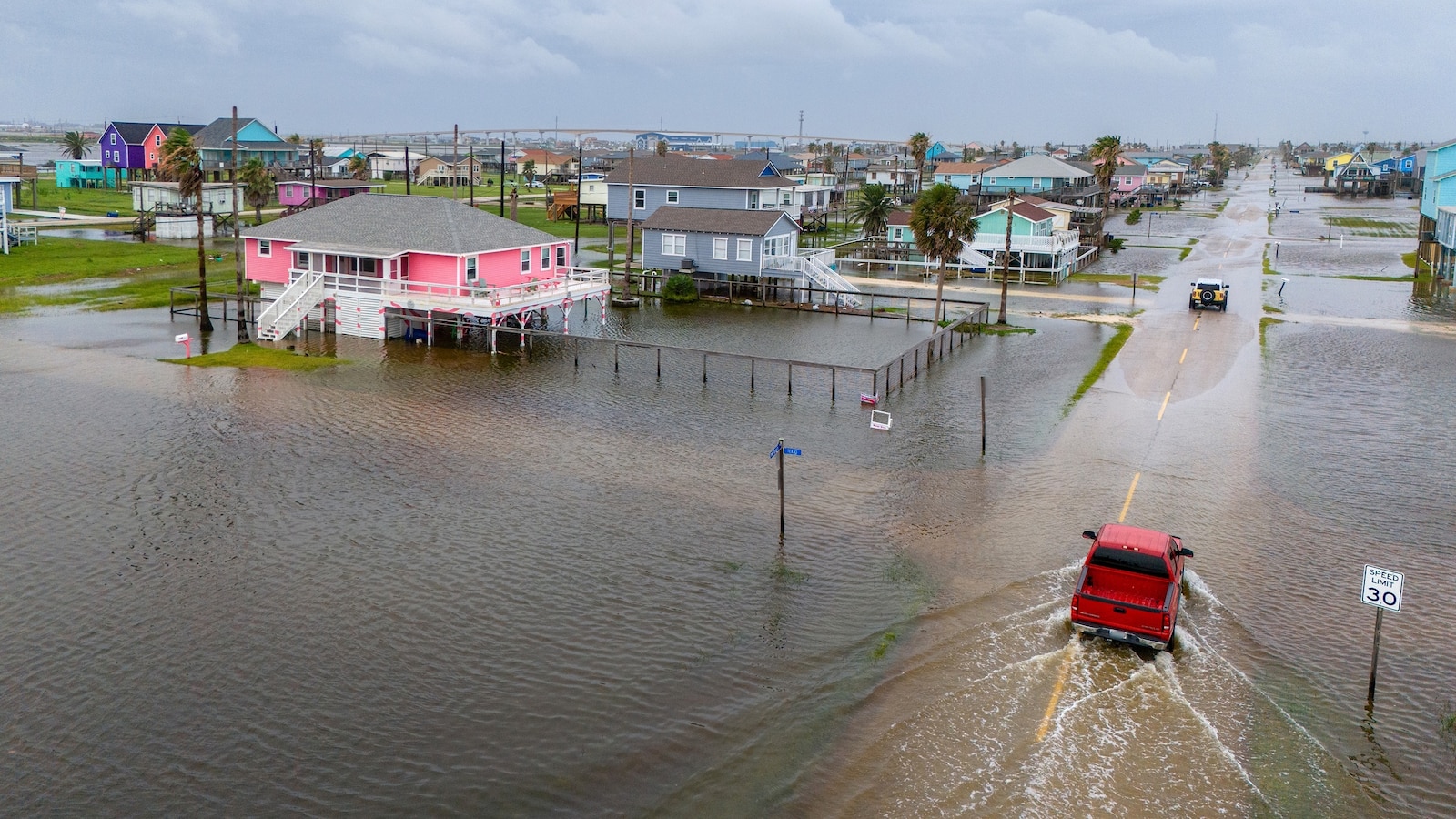
The development of El Niño carries significant implications for the 2026 Atlantic and Eastern Pacific hurricane seasons, though the extent of these impacts depends heavily on the timing and strength of the event. For coastal communities along the Atlantic and Gulf coasts, El Niño conditions typically bring welcome news: the phenomenon tends to suppress hurricane activity through atmospheric changes that create unfavorable conditions for storm development. Specifically, El Niño produces increased sinking air and stronger upper-level wind shear over the Atlantic basin, which can tear developing tropical systems apart or prevent them from organizing in the first place.
“It will likely suppress the 2026 Atlantic hurricane season somewhat, with increased sinking air and upper level wind shear over the Atlantic,” says Andy Hazelton, an associate scientist at the University of Miami’s Cooperative Institute for Marine and Atmospheric Studies. Vertical wind shear—changes in wind speed and direction at different atmospheric heights—ranks among the primary factors in determining whether a hurricane season will be above or below average. Strong shear acts like scissors cutting through the organized structure that tropical systems need to intensify and survive. However, the hurricane season picture isn’t entirely straightforward. Other factors, particularly sea surface temperatures, play crucial roles in tropical cyclone development and intensity. If ocean waters remain unseasonably warm, they can partially counteract the inhibiting effects of unfavorable winds, potentially allowing some storms to develop despite less-than-ideal atmospheric conditions.
Interestingly, while El Niño dampens Atlantic hurricane activity, it has the opposite effect in the Eastern Pacific, where it creates favorable conditions that typically support above-average hurricane seasons. This creates a fascinating geographical contrast where the same climate phenomenon simultaneously suppresses storms in one ocean basin while encouraging them in another. For now, scientists caution against making definitive predictions about the upcoming hurricane season. “It’s a little early to say how far below average the Atlantic might be. That will also depend on what the Atlantic sea surface temperatures do—right now they’re average or a little below,” Hazelton notes. NOAA plans to release its official hurricane season outlook in May, just before the Eastern Pacific season begins on May 15 and the Atlantic season starts on June 1. Since El Niño represents just one of several critical variables forecasters consider, Gottschalck emphasizes the importance of waiting for the comprehensive May outlook before drawing firm conclusions.
Global Temperature Records in the Balance
Beyond regional weather patterns and hurricane activity, the potential return of El Niño raises important questions about global temperature trends and the ongoing climate crisis. The year 2024 stands as the planet’s warmest year on record, a dubious distinction that followed the last El Niño event, which emerged in mid-2023 and persisted through spring 2024. This isn’t coincidental—the warmer ocean temperatures associated with El Niño, combined with the phenomenon’s tendency to favor warmer conditions across many regions, frequently contribute to elevated global annual temperatures. In fact, many of the warmest years in recorded history have occurred during El Niño events, though climate scientists are quick to point out that El Niño alone doesn’t tell the whole story.
The relationship between El Niño and global temperatures operates like waves on a rising tide. The short-term temperature spikes that occur during El Niño events happen on top of the long-term global warming trend, which is primarily driven by human-caused greenhouse gas emissions accumulating in the atmosphere. This means that each successive El Niño tends to push global temperatures to new heights, not solely because of the natural phenomenon itself, but because the baseline temperature from which it starts keeps creeping upward due to climate change. “The WMO community will be carefully monitoring conditions in the coming months to inform decision-making. The most recent El Niño, in 2023-’24, was one of the five strongest on record and it played a role in the record global temperatures we saw in 2024,” explains WMO Secretary-General Celeste Saulo.
The timing of El Niño’s temperature impacts adds another layer of complexity to understanding its influence. According to NOAA, El Niño typically has its greatest effect on global temperatures after it peaks, meaning the spike in worldwide temperatures often lingers into the year following the event’s onset. This lagging effect explains why 2024 set records even as the El Niño that influenced it had formed in 2023. By contrast, 2025 ranked as only the third-warmest year on record globally, trailing both 2024 and 2023, partly because recent La Niña conditions typically cause a temporary dip in global average temperatures. The intensity of any upcoming El Niño will be crucial in determining whether global temperature records could fall again in the near future. According to NOAA’s National Centers for Environmental Information, there’s more than a 90% chance that 2026 will rank among the five warmest years on record, though the probability of it becoming the absolute warmest currently stands at just 1%. Those odds could increase dramatically in 2027, depending on how strong the El Niño becomes and how long it persists—a sobering reminder that our climate future depends on both natural variability and the ongoing accumulation of heat-trapping gases in our atmosphere.