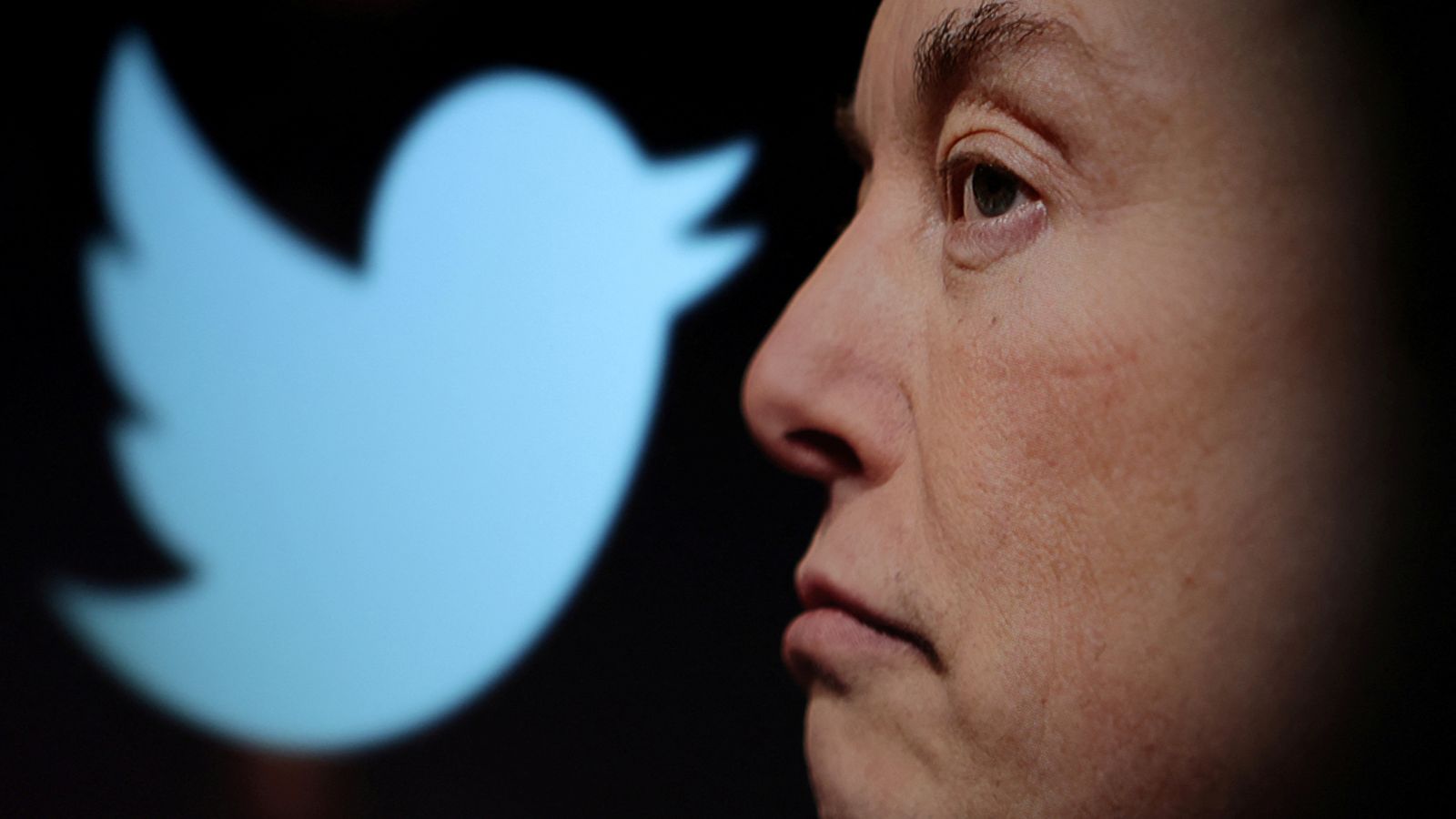

Elon Musk Found Liable for Misleading Twitter Investors During Takeover Battle
The Verdict That Shook Silicon Valley
In a landmark decision that has sent ripples through the tech and financial worlds, a jury in San Francisco has determined that Elon Musk, the world’s wealthiest individual, deliberately misled investors during his controversial acquisition of Twitter. The case, which has been closely watched by legal experts and market analysts alike, found that Musk intentionally drove down the social media company’s share price in the months before completing his $44 billion takeover. While the tech mogul was cleared of certain fraud allegations, the verdict confirms that his public statements and social media posts had a calculated impact on Twitter’s stock value, potentially costing thousands of shareholders significant losses. This civil trial outcome represents a rare moment of accountability for the billionaire entrepreneur, whose net worth currently hovers around $814 billion, largely derived from his Tesla holdings.
The legal battle stems from a class-action lawsuit filed by Twitter shareholders just before Musk assumed control of the platform, which he subsequently rebranded as X. The case focused specifically on two tweets and podcast comments made by Musk in May 2022, during the tumultuous period when he was attempting to renegotiate or potentially back out of his acquisition agreement. Jurors were tasked with determining whether these public statements constituted intentional fraud against shareholders who sold their stock based on what Musk had said. The plaintiffs argued that Musk’s words caused artificial deflation of Twitter’s share price, allowing him to gain leverage in negotiations while everyday investors suffered financial losses. Though the exact amount of damages Musk will be required to pay hasn’t been determined, legal analysts suggest the figure could reach into the billions, given the number of affected shareholders, many of whom are large institutional investors managing retirement funds and investment portfolios.
The Bot Controversy at the Heart of the Case
At the center of this legal drama was Musk’s persistent and very public questioning of Twitter’s transparency regarding fake accounts and automated bots on its platform. Musk repeatedly claimed that Twitter had significantly underreported the number of these fraudulent accounts, suggesting the actual number was far higher than the company’s publicly stated figure of less than 5% of active users. This wasn’t just casual speculation—Musk made these accusations a cornerstone of his argument for why the deal should be renegotiated or abandoned entirely. In a particularly damaging tweet from May 2022, which was presented as key evidence during the trial, Musk declared that his takeover “cannot go forward” until Twitter’s chief executive could prove that bot accounts represented less than 5% of the platform’s user base. This single statement had an immediate and measurable impact on Twitter’s stock price, causing it to tumble as investors worried the deal might fall through.
The shareholders’ legal team, led by attorney Mark Molumphy, painted a damning picture of Musk’s behavior during this period. In his closing arguments, Molumphy didn’t mince words: “He trashed the company. Trashed the executives. And tanked the stock.” This characterization suggested that Musk’s campaign wasn’t simply about due diligence or legitimate concerns about the acquisition—it was a calculated strategy to diminish Twitter’s market value. By publicly questioning the company’s integrity and the accuracy of its user metrics, Musk created doubt in the market that directly benefited his negotiating position. Every tweet, every podcast appearance, and every disparaging comment about Twitter’s leadership served to weaken the company’s stock price, potentially giving Musk leverage to demand a lower purchase price or to exit the deal with minimal consequences. The prosecution argued that this behavior crossed the line from shrewd negotiation into deliberate market manipulation and fraud.
The Defense’s Counter-Narrative
Musk’s legal team, however, presented an entirely different interpretation of events. Michael Lifrak, representing the billionaire, argued that his client’s concerns about bot accounts were genuine and well-founded, not a smokescreen for market manipulation. According to this defense, Musk wasn’t trying to defraud anyone—he was simply doing what any responsible buyer would do: conducting due diligence and publicly expressing legitimate concerns about a major business acquisition. The defense maintained that Musk had every right to question Twitter’s metrics and that speaking openly about potential problems with the platform didn’t constitute fraud or demonstrate any intent to deceive investors. This argument attempted to frame Musk as a truth-teller willing to challenge corporate opacity, rather than as a manipulator gaming the system for personal advantage.
The defense also emphasized that the bot problem on Twitter was real and significant, suggesting that Musk’s skepticism was vindicated by subsequent revelations about the platform’s struggles with fake accounts and automated content. They argued that a billionaire of Musk’s stature wouldn’t need to engage in petty stock manipulation when he had already agreed to pay a premium price for the company. However, the jury apparently found this argument less persuasive than the prosecution’s case. The pattern of behavior—the timing of statements, their public nature, and their consistent effect on the stock price—seemed to demonstrate a level of intentionality that went beyond mere due diligence. The verdict suggests that the jury believed Musk knew exactly what he was doing when he made those statements and understood that they would negatively impact Twitter’s stock price, benefiting his position in the acquisition negotiations.
The Legal Battle’s Dramatic Conclusion
The acquisition saga that led to this trial was one of the most dramatic corporate takeover stories in recent memory. After initially agreeing to purchase Twitter at $54.20 per share—a price that included the notorious “420” reference that Musk later admitted was partially a marijuana joke—the billionaire began expressing second thoughts. His public campaign questioning the bot statistics gave him what he believed was legal justification to walk away from the deal, citing material misrepresentation by Twitter about the state of its platform. However, Twitter’s board wasn’t willing to let him simply back out of a binding agreement. The company filed a lawsuit in Delaware Chancery Court to force Musk to honor the original terms of the purchase agreement, setting up a high-stakes legal showdown that threatened to drag on for months and cost both sides enormous amounts of money in legal fees alone.
Ultimately, as the Delaware trial date approached and Musk’s legal position appeared increasingly precarious, he reversed course once again and agreed to complete the purchase at the originally agreed-upon price. In October 2022, Musk finalized the $44 billion acquisition, taking Twitter private and immediately implementing sweeping changes to the company, including mass layoffs, alterations to the platform’s verification system, and eventually the controversial rebranding to X. But while Musk may have thought that completing the purchase would close the book on this chapter, the shareholders who sold their stock during the period of uncertainty and declining prices had other ideas. Their class-action lawsuit argued that regardless of how the acquisition ultimately concluded, they had suffered real financial harm due to Musk’s statements, and they deserved compensation for those losses. The jury’s verdict vindicated their position, confirming that Musk’s behavior during those crucial months crossed legal boundaries.
Broader Implications and Ongoing Legal Troubles
This verdict doesn’t exist in isolation—it’s part of a broader pattern of legal and regulatory challenges that Musk has faced regarding his use of social media and his approach to securities law. The billionaire is separately in negotiations to settle a civil lawsuit filed by the U.S. Securities and Exchange Commission (SEC), which accuses him of violating disclosure requirements during the Twitter acquisition. Specifically, the SEC alleges that Musk waited too long to publicly disclose his initial purchases of Twitter stock in early 2022, allowing him to continue buying shares at lower prices before other investors realized what was happening. Once a major shareholder crosses certain ownership thresholds, they’re legally required to file disclosure documents within specific timeframes, precisely to prevent the kind of advantageous buying that the SEC claims Musk engaged in.
These legal troubles highlight an ongoing tension in Musk’s relationship with regulatory authorities and market norms. The entrepreneur has built his reputation partly on his willingness to challenge conventional wisdom and established institutions, but that iconoclastic approach has repeatedly brought him into conflict with securities regulators. This isn’t his first run-in with the SEC—in 2018, Musk settled fraud charges related to tweets about taking Tesla private, agreeing to step down as Tesla’s chairman and to have his tweets about the company pre-approved by lawyers. That settlement apparently didn’t curb his social media habits, and his handling of the Twitter acquisition suggests he either didn’t learn from that earlier experience or simply doesn’t believe the rules should apply to him. The latest verdict, potentially costing him billions in damages, may finally serve as the wake-up call that previous penalties and settlements failed to deliver. For investors, market regulators, and anyone concerned about accountability for the ultra-wealthy, this case represents an important precedent: even the world’s richest person isn’t above the law when it comes to market manipulation and investor fraud.