
Elon Musk Faces Shareholder Lawsuit Over Twitter Acquisition Statements
The Case Against the Tech Billionaire
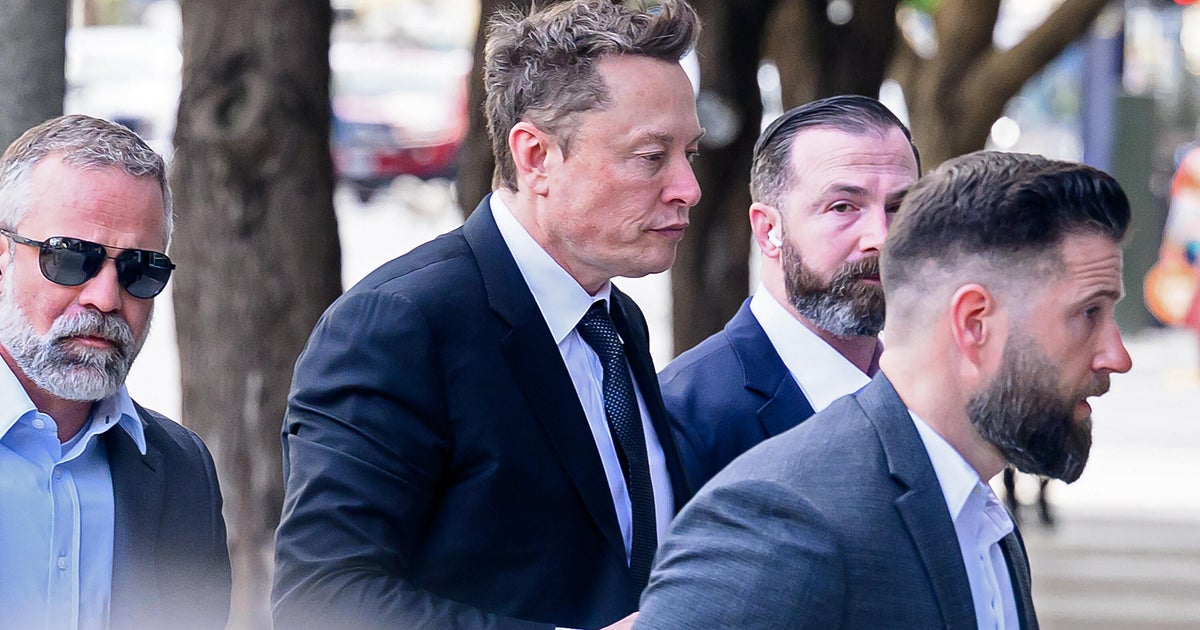
Elon Musk found himself in a San Francisco courtroom this Wednesday, defending his actions during one of the most tumultuous corporate acquisitions in recent memory. The billionaire entrepreneur is facing serious allegations from former Twitter shareholders who claim he deliberately manipulated the social media platform’s stock price through misleading public statements before ultimately purchasing the company for a staggering $44 billion in 2022. The lawsuit, filed in October 2022 in the U.S. District Court for the Northern District of California, represents shareholders who sold their Twitter stock between May 13 and October 4, 2022—a critical period just weeks before Musk’s controversial acquisition was finalized. These investors argue that Musk violated federal securities laws by making carefully crafted false statements designed specifically to drive down Twitter’s stock price, potentially saving himself billions in the process. Taking the stand in his characteristic black suit and tie, Musk faced pointed questions about his tweets, stock purchases, and the chaotic timeline of events that led to his eventual takeover of the platform he would later rebrand as X.
The Timeline of Tweets and Turmoil
The story begins in April 2022, when Musk, already known as the CEO of Tesla and one of the world’s wealthiest individuals, struck a deal to buy Twitter and take the publicly traded company private. However, what followed was anything but straightforward. On May 13, 2022, Musk sent shockwaves through the financial markets by declaring his plan “temporarily on hold,” citing concerns about spam and fake accounts on the platform. Twitter’s stock price tumbled immediately in response to this announcement. Just days later, he escalated his concerns, tweeting that the deal “cannot go forward” and making the explosive claim that nearly 20% of Twitter accounts were fake—a figure far higher than Twitter’s own estimates. According to the lawsuit, these statements were not just casual observations but calculated moves to manipulate the market. The plaintiff’s lawyer, Aaron P. Arnzen, methodically questioned Musk about these tweets and about his earlier, undisclosed purchases of Twitter stock in early 2022. Musk defended himself by saying he didn’t think it was “material” when he began quietly accumulating shares without tweeting about it or immediately disclosing the purchases to the Securities and Exchange Commission, claiming he’d bought stock in many companies without announcing it publicly.
The Legal Arguments and Stock Market Impact
The heart of the lawsuit centers on whether Musk’s public statements were truthful and whether he understood their impact on Twitter’s stock price. The May 13 tweet declaring the deal “temporarily on hold” was particularly problematic, according to the legal complaint, because Twitter had not actually agreed to pause the acquisition, and the merger agreement contained no provision allowing Musk to unilaterally put the deal on hold. During questioning, Arnzen pressed Musk on whether he considered the potential “material impact” his tweet would have on the stock market. Musk’s response was telling—he compared his statement to “saying you’re going to be late for a meeting,” adding that it didn’t mean he wouldn’t attend altogether. Nevertheless, the market’s reaction was swift and severe: Twitter’s stock fell nearly 10% on May 13 alone. When repeatedly asked if he paused to consider how his tweet would affect investors and the market, Musk offered a consistent, if somewhat defiant, answer: “I was simply speaking my mind.” This defense, while perhaps authentic to Musk’s famously unfiltered social media presence, raises important questions about the responsibilities of corporate leaders when their words can move markets and affect the financial wellbeing of countless investors.
The Bot Controversy and Due Diligence Questions
In the weeks following his initial announcement, Musk continued to raise concerns about bots and fake accounts, a theme that would dominate the acquisition saga. By July 2022, he had doubled down on these concerns, stating he would abandon his offer entirely because Twitter had supposedly failed to provide sufficient information about fake accounts on the platform. The irony, as the lawsuit points out, is that Musk had explicitly waived due diligence when making his “take it or leave it” offer to buy Twitter. This waiver meant he had voluntarily given up his right to examine the company’s non-public financial information before committing to the purchase. During testimony, Musk was repeatedly questioned about whether he had inquired about Twitter’s methodology for calculating fake accounts—which the company had long disclosed as approximately 5% of users—before waiving his due diligence rights. Musk admitted he had not asked these questions but said he assumed that if Twitter included information in SEC filings, “it would be accurate.” He then added, controversially, “It subsequently turned out they misrepresented the number of bots. They lied.” By July 8, when Musk tweeted he was abandoning the deal over the fake accounts issue, Twitter’s stock had closed at $36.81—a devastating 32% below Musk’s original offer price of $54.20 per share, representing billions in lost market value.
The Resolution and Aftermath
The bot and fake account problem wasn’t exactly breaking news in the tech world. Twitter had actually paid $809.5 million in 2021 to settle previous claims about overstating its growth rate and monthly user figures, and the company had been disclosing its bot estimates to the SEC for years, along with cautionary notes that these estimates might actually be too low. As the dispute escalated, Twitter took legal action, suing Musk to force him to complete the acquisition as originally agreed. Musk responded with a countersuit of his own. Finally, on October 4, 2022, after months of public drama, legal wrangling, and market volatility, Musk offered to proceed with his original proposal to buy Twitter for $44 billion. Twitter accepted, and the deal closed later that month. What followed was a dramatic transformation of the social media platform. Musk implemented sweeping changes, including massive workforce reductions, dismantling much of the trust and safety team, rolling back content moderation policies that had been in place for years, and ultimately, in July 2023, rebranding the iconic blue bird platform as simply “X”—a move that surprised many observers and marked the end of Twitter as the world had known it.
Musk’s History with Securities Litigation
This courtroom appearance isn’t Musk’s first rodeo when it comes to defending his social media statements against investor lawsuits. Three years earlier, the entrepreneur spent approximately eight hours testifying in another San Francisco federal trial, that time defending himself against allegations related to his 2018 tweets about potentially taking Tesla private at $420 per share—a proposed deal that never actually happened. In that case, which also involved claims that Musk had misled investors through his tweets, a nine-member jury ultimately found in his favor, absolving him of wrongdoing. Whether Musk will receive the same favorable verdict this time remains to be seen. The current case differs in some important ways, including the fact that the Twitter acquisition actually did go through, creating a clear before-and-after timeline that allows for analysis of how Musk’s statements affected stock prices during the negotiation period. As the trial continues, investors, legal experts, and corporate leaders across industries will be watching closely. The outcome could have significant implications for how executives use social media and what responsibilities they bear for statements that can instantly reach millions of people and move billions of dollars in market value. For Musk, a figure who has built much of his public persona on unfiltered, direct communication with the public through social media, the trial represents yet another test of where the line falls between free expression and legal responsibility in the modern digital age.