
Energy Bills Set to Soar: Understanding the Impact of Rising Global Prices
A Dramatic Increase in Household Energy Costs
British households are bracing for a significant financial blow this summer, as energy bills are predicted to jump by £332 annually starting in July. This increase is more than double what experts were forecasting just three weeks ago, representing a dramatic shift in the economic landscape for millions of families. The spike takes typical annual energy bills to their highest point in three years, matching the peak last seen in July 2023. According to Cornwall Insight, a respected research firm in the energy sector, initial estimates in early spring suggested a much more modest rise of around £160. However, the situation has deteriorated rapidly due to escalating tensions in the Middle East, particularly the ongoing conflict involving Iran, which has sent shockwaves through global energy markets. The impact of warfare on energy prices demonstrates just how vulnerable household budgets are to international events, and this latest development serves as a stark reminder that geopolitical instability thousands of miles away can directly affect how much British families pay to heat their homes and power their appliances.
Understanding Why Prices Are Climbing So Steeply
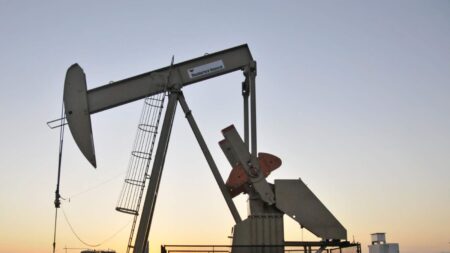
The root cause of this alarming price increase lies in the fundamental economics of global energy markets. Benchmark Brent crude oil has surged to approximately $110 per barrel, while UK wholesale gas prices have climbed above 120 pence per therm—levels that energy suppliers must respond to when setting consumer prices. These wholesale costs form the foundation of what households ultimately pay, though they’re not the only factor. The energy price cap, which is designed to protect consumers from excessive charges, operates by setting a maximum amount that suppliers can charge per unit of electricity and gas. However, this cap isn’t a fixed number—it moves up and down based on wholesale market prices. Every three months, Ofgem, the energy regulator, recalculates this cap to reflect current wholesale costs, along with policy costs and various charges that make up the complete picture of energy pricing. This system means that when international markets experience turmoil, British consumers inevitably feel the effects in their monthly bills. It’s worth noting that not all heating is regulated in this way; households that rely on heating oil face an even more difficult situation, as their fuel isn’t subject to any price cap whatsoever. Some of these households have seen their costs more than double, prompting the government to announce £53 million in targeted support for the most vulnerable families who depend on heating oil.
A Brief Respite Before the Storm
There is a small silver lining for consumers in the immediate future, though it will prove short-lived. Because the price cap has already been confirmed for April, households will actually see a temporary reduction of £117 in their annual bills for the three-month period beginning next month. This decrease offers a brief moment of relief before the anticipated July increase takes effect. However, this temporary reprieve shouldn’t provide much comfort, as it will be swiftly reversed and dramatically exceeded by the summer’s price hike. The official announcement for the July price cap is scheduled for May 27th, and while there remains the possibility of changes before that date, the direction of travel seems clear given the persistent elevation of oil and gas prices. Energy market analysts will be watching wholesale prices closely in the coming weeks, but unless there’s an unexpected resolution to the Middle Eastern conflicts or a significant increase in global supply, the outlook remains challenging for British households trying to manage their budgets.
Government Promises Meet Economic Reality
The projected energy price increase presents a significant political challenge for the government, which has made specific commitments to reduce household energy bills. Officials previously promised to cut bills by £150 by removing policy charges from energy costs and instead funding these initiatives through general taxation. This approach was intended to provide direct, visible relief to consumers struggling with the cost of living. However, with wholesale energy costs climbing so dramatically, delivering on this pledge has become considerably more complicated. The mathematics simply don’t work as favorably when the underlying costs are so much higher than anticipated. This situation places the government in an uncomfortable position—either finding additional funds to honor the commitment, which would strain public finances, or falling short of the promise, which would represent a political setback. Beyond the immediate challenge of this specific pledge, the government faces a broader economic headache. High energy prices don’t exist in isolation; they ripple through the entire economy, affecting the cost of manufacturing, transportation, food production, and virtually every other sector. This cascading effect threatens to reignite inflation just when it seemed to be coming under control.
The Inflation Crisis Returns
Economic forecasters are now painting a concerning picture of where inflation might be heading. Whereas pre-war predictions suggested inflation would remain around the Bank of England’s 2% target, new estimates suggest it could reach as high as 5% by the end of the year. This represents a substantial reversal of the progress made in taming inflation over the past year, and it would return the country to levels of price increases that significantly erode purchasing power and living standards. When energy costs rise, businesses inevitably pass those costs along to consumers through higher prices for goods and services. Transportation becomes more expensive, heating commercial premises costs more, and manufacturing processes that require significant energy input become pricier—all of which translates into higher prices at the checkout. For families already stretched thin by previous years of elevated inflation and stagnant wage growth, this renewed inflationary pressure represents a genuine crisis. The cost-of-living challenges that dominated headlines over the past few years could intensify rather than ease, making it harder for ordinary households to afford basics like food, fuel, and housing while also meeting their energy bills.
The Wider Financial Squeeze: Mortgages, Borrowing, and Economic Uncertainty
The consequences of rising energy prices extend beyond utility bills and grocery costs into the realm of borrowing and housing affordability. Financial markets are now anticipating that the Bank of England will need to raise interest rates three times before the end of 2026 to combat renewed inflation, potentially pushing the base rate to 4.5%. This expectation is already affecting the mortgage market, where lenders price their products based on anticipated future interest rate movements. Currently, the typical two-year fixed-rate mortgage stands at 5.35%, while five-year fixed deals average 5.39%, according to Moneyfacts, a financial information company that tracks lending rates. These rates haven’t been seen since early 2024 for two-year deals and mid-2024 for five-year products, representing a significant increase in borrowing costs for homeowners. For anyone looking to purchase a home or remortgage an existing property, these elevated rates mean substantially higher monthly payments compared to what was available just months ago. The government itself isn’t immune to these borrowing cost increases—on Friday, the cost of UK government borrowing reached its highest level since the 2008 financial crisis, making it more expensive for the state to finance its operations and potentially limiting the resources available for supporting households through this difficult period. This creates a vicious cycle where the government has less fiscal flexibility precisely when citizens need more support, while households face pressure from multiple directions: higher energy bills, increased general inflation, and more expensive mortgages all hitting simultaneously. The situation demonstrates how interconnected modern economies are and how a crisis in one region of the world can create cascading effects that touch every aspect of daily life for families thousands of miles away.