
Markets React to Trump’s Iran War Signals: A Ray of Hope Amid Global Tensions
A Volatile Start to Trading Week Shows Signs of Recovery
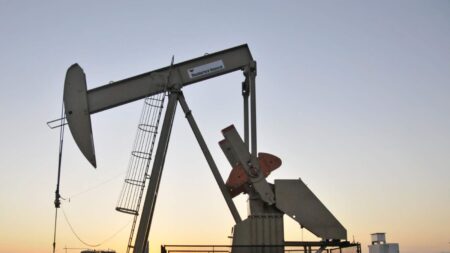
The global financial markets experienced a dramatic rollercoaster ride this week as oil prices plummeted and stock markets began recovering lost ground following comments from former President Donald Trump suggesting that the conflict with Iran might be approaching its conclusion. After reaching a six-year peak of over $118 per barrel on Monday, Brent crude oil – the international benchmark that sets the tone for global energy prices – tumbled to below $90 per barrel during early Tuesday trading in what can only be described as one of the most volatile periods in recent market history. This sharp reversal came as investors worldwide tried to make sense of mixed signals coming from Washington regarding the status and objectives of military operations in the Middle East. The dramatic price swings reflect the deep uncertainty gripping global markets, as traders and investors attempt to navigate through one of the most significant geopolitical crises in recent years, with implications that stretch far beyond the immediate conflict zone to touch every corner of the global economy.
The Strait of Hormuz: A Chokepoint for the World Economy
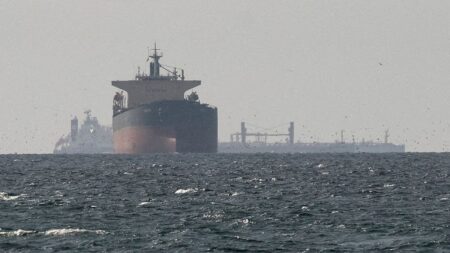
At the heart of this crisis lies the Strait of Hormuz, a narrow shipping lane situated just off the Iranian coast that has become effectively closed to commercial traffic. This seemingly small stretch of water carries enormous significance for the global economy – under normal circumstances, approximately one-fifth of the world’s oil and natural gas deliveries pass through this critical waterway. However, over the past ten days, this vital artery of global commerce has almost completely seized up, with shipping traffic grinding to a near halt due to the very real threat of attacks from Iranian forces. Tehran has made it clear that retaliation for US-Israeli airstrikes targeting its leadership and critical infrastructure could include striking vessels attempting to navigate these waters. The closure represents a stranglehold on global energy supplies that has sent shockwaves through financial markets and raised alarm bells in capitals around the world. The situation has created a worst-case scenario for global trade, as energy companies, shipping firms, and governments grapple with the reality that one of the world’s most crucial shipping routes has become a no-go zone, forcing difficult decisions about alternative routes, supply chains, and energy security.
Trump’s Mixed Messages and Market Reactions
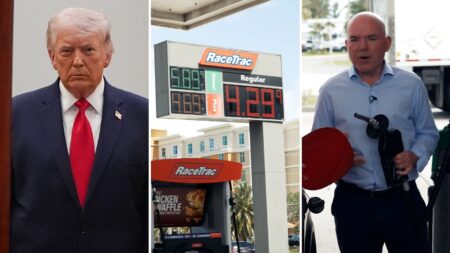
President Trump’s statements on Monday evening did little to clarify the situation, instead offering what many analysts described as mixed messages that left markets guessing about the true state of affairs. On one hand, he declared US military objectives as “complete” and suggested the conflict “could be over soon” – words that sparked immediate optimism among investors desperately seeking signs of de-escalation. On the other hand, his strong warning about Iran’s control over global oil supplies carried an unmistakably threatening tone that reminded markets just how precarious the situation remains. “I will not allow a terrorist regime to hold the world hostage and attempt to stop the globe’s oil supply, and if Iran does anything to do that, they’ll get hit at a much, much harder level,” Trump stated, words that simultaneously offered hope for resolution while promising escalation if certain red lines were crossed. This delicate balance between diplomatic signaling and military posturing reflects the complex nature of the crisis, where every word from key decision-makers is scrutinized by market participants trying to position themselves ahead of rapidly unfolding events. The market response to these mixed signals has been equally complex, with traders appearing to focus more on the hopeful elements while remaining deeply cautious about the underlying risks.
The Inflation Threat and Economic Ripple Effects
The disruption to oil supplies through the Strait of Hormuz has awakened fears of a new wave of energy-led inflation that could devastate economies still recovering from previous price shocks. When oil and gas prices spike, the effects cascade through virtually every sector of the economy in ways that touch ordinary people’s daily lives. The most immediate and visible impact has already appeared at fuel pumps, particularly in the UK and wider Europe, where diesel and petrol prices have jumped sharply. Average pump costs have risen by more than 9 pence per liter since hostilities began in the Middle East, with some forecourts passing on price increases double that amount – raising serious concerns about profiteering during a crisis. But the impact extends far beyond transportation costs. Home heating expenses are set to rise as natural gas supplies tighten. Manufacturing industries that depend on energy-intensive processes face squeezed profit margins or the difficult choice of passing costs to consumers already stretched thin. Even fresh food production, which requires fuel for farming equipment, transportation, and temperature-controlled storage, faces pressure that will eventually show up in grocery bills. The British government and competition regulators have issued stern warnings to the fuel industry that any attempt to exploit the crisis for excessive profits will be called out and potentially punished, reflecting official concern about both the economic impact and the political fallout from energy price spikes.
Global Response and Market Positioning
Recognizing the serious threat to economic stability, the G7 group of advanced economies – including the United Kingdom, United States, Germany, France, Italy, Canada, and Japan – have announced plans to release strategic petroleum reserves if necessary to cushion the blow from lost Middle East production and delivery capacity. This coordinated response represents a significant policy intervention designed to reassure markets that governments have tools at their disposal to prevent the worst-case scenarios from materializing. The strategic reserves, built up over decades precisely for emergencies like this, could temporarily replace some of the lost supply and help stabilize prices while diplomatic and military efforts work toward reopening the Strait of Hormuz. Market data from trading platforms showed the FTSE 100, Britain’s leading stock index, positioned to open approximately 0.4% higher in Tuesday trading, potentially recovering all the ground lost during Monday’s 1.8% decline at the open. Stock markets in other parts of Europe and the United States managed to end Monday’s session in positive territory despite starting the day with steep losses, suggesting that investor sentiment was gradually improving as the shock of the initial crisis began to wear off. Asian markets maintained stronger sentiment on Tuesday, though analysts widely described the prevailing mood as cautious rather than confidently optimistic.
Looking Ahead: Cautious Optimism or Premature Celebration?
The dramatic market movements have prompted some analysts to suggest that investors may be getting ahead of themselves by pricing in a resolution before the conflict has actually ended. Nigel Green, chief executive of asset management firm and consultancy deVere Group, captured this sentiment perfectly when he observed: “Markets are beginning to trade the end of the conflict before it has actually happened. Oil dropping back below $90 and equities pushing higher tells us investors are already pricing a scenario in which tensions cool and supply disruptions remain limited.” He added a note of caution that resonates with many market watchers: “Financial markets are extremely forward-looking but, in situations like this, they can move ahead of geopolitical reality.” This warning highlights a fundamental tension in how markets operate – while traders must necessarily attempt to anticipate future developments to position themselves advantageously, the gap between market expectations and actual events can create dangerous vulnerabilities. If the conflict drags on longer than markets are currently pricing in, or if new escalations occur, the sharp reversal in oil prices and stock market gains could evaporate just as quickly as they materialized, potentially leaving investors exposed to significant losses. The situation remains fluid and unpredictable, with the potential for rapid changes in either direction depending on developments on the ground in the Middle East and decisions made in capitals from Washington to Tehran. For ordinary people watching fuel prices and worrying about their household budgets, the hope must be that the optimistic scenario plays out and that global oil supplies can return to normal as quickly and peacefully as possible.