
Justice Department Releases Withheld FBI Interview Reports Involving Trump and Epstein Allegations
Background on the Released Documents
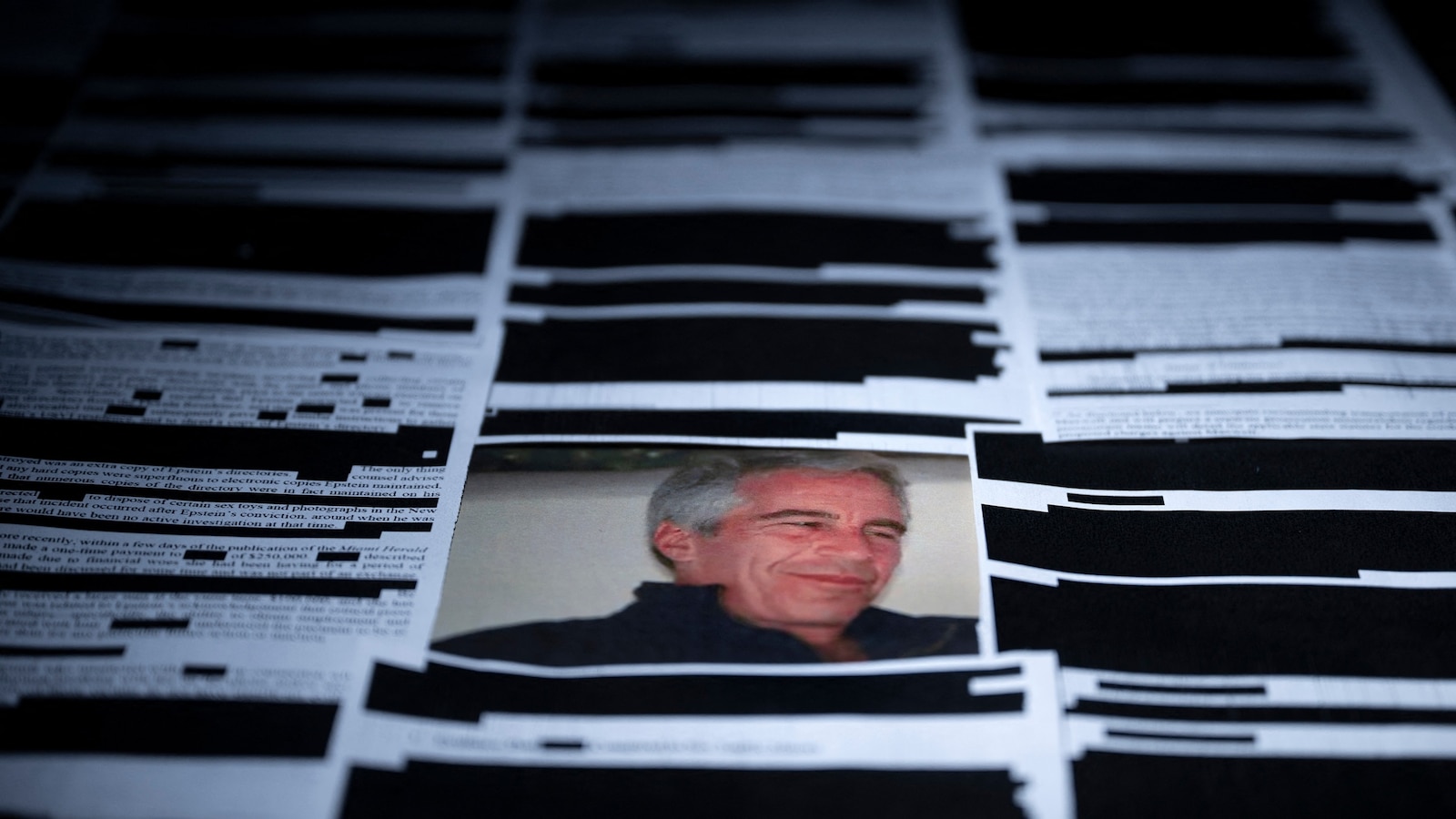
The Department of Justice made public on Thursday three FBI interview reports that had previously been kept from public view, dating back to 2019. These documents, known as FBI 302 reports, contain interview summaries with a woman who made unverified claims that she suffered abuse at the hands of Donald Trump during the 1980s when she was still a minor. The reports were part of a massive document release in January that included millions of pages related to the notorious Jeffrey Epstein case, but these particular files were initially held back from that disclosure.
In explaining the delay, the Justice Department took to social media to clarify that these interview summaries were originally excluded from the January document dump because officials believed they duplicated information already available in other released materials. The department’s statement acknowledged that this was an error in their cataloging system. They explained that when one interview report was published and included in their tracking spreadsheet, subsequent related reports were incorrectly labeled as duplicative in their database. After this coding error was brought to their attention by outside parties, DOJ staff conducted a comprehensive review of all similarly coded documents and discovered that 15 files had been wrongly marked as duplicates. However, as of Thursday evening, the handwritten notes from the actual interviews themselves remain unavailable in the DOJ database, with only the typed summaries now accessible to the public.
Details of the FBI Interviews and Allegations
According to the newly released reports, federal investigators met with the woman on four separate occasions between July and October of 2019. Throughout these interviews, the woman—whose name has been redacted from the public documents—made various allegations of abuse against Jeffrey Epstein, the disgraced financier who died in federal custody in 2019 while awaiting trial on sex trafficking charges. The most significant revelation came during her second interview with federal agents, when she claimed that Epstein had once transported her to either New York or New Jersey, where she was introduced to Donald Trump when she was between 13 and 15 years old. According to the interview summary, she alleged that Trump abused her during that same trip.
The accounts become more complicated when examining the fourth interview, which took place in October 2019. During this session, when FBI agents specifically asked the woman to provide more details about her alleged interaction with Trump, she declined to elaborate further. This reluctance to provide additional information raises questions about the nature and veracity of her claims. Furthermore, investigators noted significant timeline inconsistencies in her account. The woman stated that the alleged incident with Trump occurred in the early-to-mid 1980s, but historical records and investigative reporting suggest that Epstein and Trump did not appear to be in contact during that particular time period, casting doubt on the plausibility of her story.
The Broader Context of the Allegations
During her initial FBI interview, the woman described how her contact with Epstein began under false pretenses. She claimed she was hired for what she believed would be a babysitting position, but when she arrived, there were no children present. Instead, she alleged, Epstein sexually abused her during that visit and on several subsequent occasions. These claims were included in the summaries released by the Department of Justice back in January as part of the larger document disclosure.
Additional red flags emerge when examining the geographic details of her allegations. The witness stated that multiple alleged incidents with Epstein took place in South Carolina, a location that investigative journalists and law enforcement officials have not previously associated with Epstein’s activities. The convicted sex offender was known to operate primarily from his properties in New York, Florida, New Mexico, and the U.S. Virgin Islands. Moreover, the timeline of these alleged events would place them approximately two decades before law enforcement in Florida first began investigating Epstein for the sexual exploitation of minors in the mid-2000s. This substantial time gap raises questions about why these alleged crimes would have occurred so much earlier than the documented pattern of criminal behavior that eventually led to his prosecution.
Political Reactions and Accusations
Before the Justice Department released these additional records on Thursday, Congressional Democrats had already begun raising concerns about missing documents from the Epstein files. They accused the department of deliberately withholding information to shield President Trump from potentially damaging revelations. Representative Robert Garcia, a Democrat from California, was particularly vocal in his criticism last week, calling the situation “unconscionable” and “illegal.” He demanded that Attorney General Pam Bondi and President Trump personally answer questions about the whereabouts of what he characterized as missing files. This political pressure may have contributed to the department’s decision to conduct the comprehensive review that ultimately uncovered the coding errors.
The release of these documents comes in the context of the Epstein Files Transparency Act, legislation that passed Congress with overwhelming bipartisan support in November 2025. This law compelled the Justice Department to release all documents in its possession related to Jeffrey Epstein within a 30-day timeframe. The massive January document dump was the result of this legislative mandate, making the initial omission of these particular interview reports all the more politically sensitive. The fact that these files specifically mentioned allegations against a sitting president added another layer of controversy to what was already a highly charged political situation.
The Justice Department’s Defense and Context
The Department of Justice has been proactive in framing how these documents should be interpreted by the public. In a statement issued back in January alongside the initial massive document release, the department warned that some investigative files would inevitably include unsubstantiated and potentially false claims about President Trump. The statement specifically noted that some allegations against Trump were submitted to the FBI just before the 2020 presidential election, suggesting a possible political motivation behind their timing. The department was emphatic in its characterization of these claims: “To be clear, the claims are unfounded and false, and if they have a shred of credibility, they certainly would have been weaponized against President Trump already.”
This defensive posture reflects the politically fraught nature of releasing such materials. President Trump himself has consistently and categorically denied any wrongdoing related to his relationship with Jeffrey Epstein and has stated he had no knowledge of Epstein’s criminal activities. While Trump and Epstein were photographed together at various social events in the 1990s and early 2000s, and Trump made comments in a 2002 magazine interview acknowledging their acquaintance, the president has maintained that he was never close to Epstein and banned him from his Mar-a-Lago club after becoming aware of inappropriate behavior. The release of these unverified allegations puts the Justice Department in a difficult position—balancing transparency mandated by law against the potential for spreading unsubstantiated claims that could unfairly damage reputations.
Assessing Credibility and Moving Forward
The credibility issues surrounding these particular allegations are substantial and multifaceted. Beyond the timeline inconsistencies regarding when Trump and Epstein were actually in contact, the woman’s reluctance to provide additional details when specifically asked by investigators in her final interview raises significant questions. Credible allegations typically become more detailed over time as victims gain confidence and trust in investigators, whereas these allegations became less specific. The geographic anomalies—particularly the South Carolina location that doesn’t fit Epstein’s known pattern of behavior—add another layer of doubt. Additionally, the fact that these allegations first surfaced decades after the alleged events and shortly before a presidential election introduces questions about possible ulterior motives.
That said, the release of these documents serves an important public interest regardless of their ultimate veracity. The Epstein case revealed systemic failures in how the justice system handles allegations against wealthy and powerful individuals, and maximum transparency helps rebuild public trust. The fact that the Justice Department made a coding error that resulted in these files being initially withheld demonstrates the challenges of managing such massive document releases while also highlighting the importance of congressional oversight and public scrutiny. Moving forward, these documents will likely fuel ongoing debates about Trump’s past associations, the credibility of allegations made against public figures, and the proper balance between transparency and the protection of individuals from unverified accusations. What remains clear is that uncorroborated allegations, regardless of their target, should be treated with appropriate skepticism while still being made available for public review as part of the historical record.