
Chancellor Rachel Reeves Signals UK’s Intent to Strengthen EU Relations
A New Chapter in UK-EU Relations
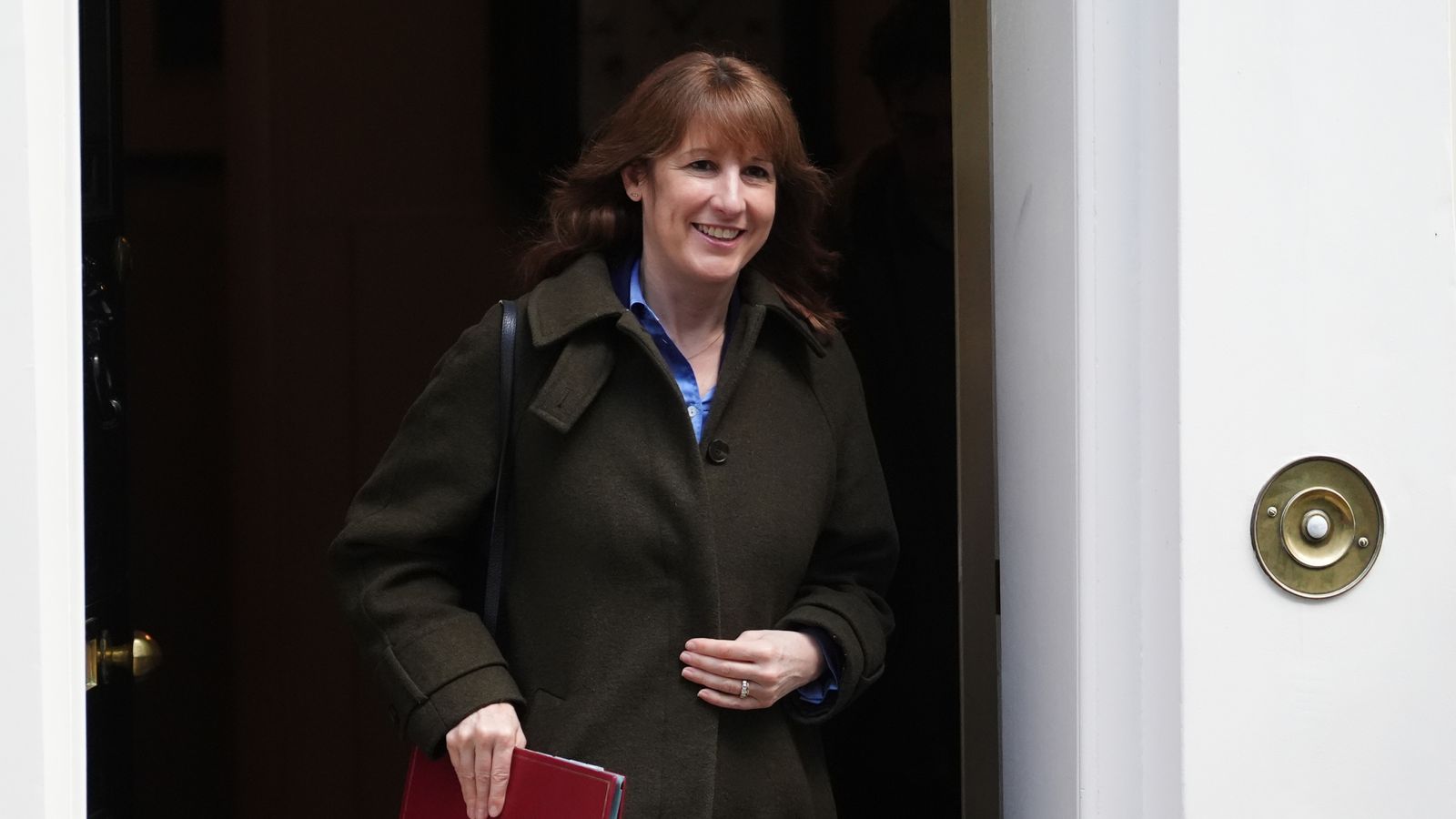
In a significant speech at the London School of Economics this week, Chancellor Rachel Reeves has opened a new conversation about Britain’s relationship with the European Union, suggesting that “further alignment” with the bloc is on the government’s agenda. Speaking candidly about the economic realities facing the UK, Reeves emphasized that while trade deals with countries like India, the United States, and South Korea are valuable, none can match the potential economic benefits of improved relations with Europe. Her comments come as several cabinet ministers have begun floating the idea that Britain might benefit from reconsidering its position on the customs union, marking a notable shift in tone from the previous government’s hardline Brexit stance. The chancellor’s remarks have sparked both hope among those who felt Brexit damaged Britain’s economy and concern among Brexit supporters who see this as backsliding on the referendum result.
The Economic Case for European Integration
Reeves made a compelling economic argument for why the EU remains Britain’s most important trading partner. She pointed out a striking statistic: the UK trades almost as much with the European Union as it does with the entire rest of the world combined. This reality, she argued, makes the EU “the biggest prize” when it comes to trade opportunities. While the government continues to pursue and celebrate trade agreements with major economies across the globe, the chancellor was refreshingly honest about the relative scale of these deals compared to what could be achieved through better European relations. “I’m all up for doing deals with India and the US and Korea,” she explained, “but none of them are going to be as big as what we can get through better trade relations with Europe.” This frank assessment represents a departure from previous government messaging that sometimes oversold the potential of post-Brexit trade deals while downplaying the economic importance of the European market. Reeves’s willingness to state this obvious truth suggests a more pragmatic approach to trade policy.
What “Further Integration” Might Mean
The chancellor’s comment that “further integration will require further alignment” has naturally raised questions about what exactly the government has in mind. Reeves was clear that both she and Prime Minister Sir Keir Starmer are committed to trying to “remove barriers for businesses” that have emerged since Brexit. She pointed to the UK’s decision to return to the Erasmus student exchange programme as an example of the kind of progress being made, and mentioned that the government is working on an “ambitious Youth Mobility Scheme” with the EU. However, Reeves and other government officials have repeatedly stated that certain “red lines” remain in place – specifically, that the UK will not rejoin the customs union, the single market, or accept freedom of movement. This creates an interesting puzzle: how much alignment and integration is possible while maintaining these boundaries? The government appears to be betting that significant benefits can be achieved through regulatory alignment, mutual recognition of standards, and improved cooperation in specific sectors, even without the wholesale return to EU structures that some on both sides of the debate are calling for.
Political Pushback and the Brexit Debate Reignited
Unsurprisingly, Reeves’s comments have drawn criticism from Conservative politicians who view any talk of closer EU alignment as a betrayal of the Brexit vote. Shadow Chancellor Sir Mel Stride accused the government of trying to “row back on Brexit,” arguing that it’s Labour’s “poor choices” rather than the Conservative-negotiated departure from the EU that has contributed to Britain’s economic challenges. This response highlights how Brexit remains a politically sensitive issue, even years after the referendum and the actual departure. For the Conservatives, defending Brexit as the right decision remains important to their political identity, even as evidence mounts about the economic costs of the current arrangement. The government, meanwhile, is attempting a delicate balancing act – acknowledging that Brexit has created barriers and seeking to lower them, while maintaining that the fundamental decision to leave the EU stands and won’t be reversed. This middle ground is fraught with political risk, as it potentially satisfies neither those who want a clean break from Europe nor those who believe Brexit was a mistake that should be fully reversed.
Cabinet Ministers Testing the Waters
Chancellor Reeves isn’t alone in her cabinet in suggesting that Britain’s current relationship with the EU might not be optimal. Last December, Deputy Prime Minister David Lammy made waves by saying that while rejoining a customs union wasn’t “currently” policy, it could be beneficial for the UK to consider. He was remarkably blunt in his assessment, stating: “It’s self-evident that leaving the European Union badly damaged our economy, took us out of an important marketplace and created serious friction, that untruths were being peddled by those that thought exiting the EU would be a good thing.” Similarly, Health Secretary Wes Streeting told The Observer that “the best way for us to get more growth into our economy is a deeper trading relationship with the EU.” These comments from senior ministers suggest there’s a coordinated effort to shift public opinion and create political space for closer EU alignment, even if full membership or customs union participation remains off the table for now. The fact that multiple cabinet members are making similar points indicates this isn’t just individual ministers speaking off the cuff, but rather a deliberate government strategy to reshape the conversation about Brexit and Britain’s European relationships.
Looking Ahead: Pragmatism Over Ideology
What’s perhaps most striking about Reeves’s speech is its tone of pragmatism over ideology. She acknowledged that she personally voted to remain in the EU, but recognized that “the country made that decision” to leave. However, she expressed confidence that “this is a political argument as well that we can win” – suggesting that the government believes public opinion may be shifting on what relationship Britain should have with Europe, even if the question of EU membership itself remains settled. Her comment that “we want to make Europe as strong as possible” and that “that means not pulling up the drawbridge” suggests a fundamental shift in how the government views Britain’s role in relation to the continent. Rather than the previous government’s often adversarial approach, Reeves and her colleagues seem to view European prosperity as aligned with British interests. Whether this approach can deliver meaningful economic benefits while respecting the Brexit vote remains to be seen. The government faces the challenge of negotiating improvements with an EU that has its own interests and limited patience for endless British requests for special treatment. Nevertheless, the shift in tone from Downing Street represents a significant change in Britain’s European policy, one that could reshape the country’s economic and political landscape in the years to come.