
A Family’s American Dream Turns Into a Living Nightmare
From Detention to Homelessness: A Venezuelan Family’s Struggle
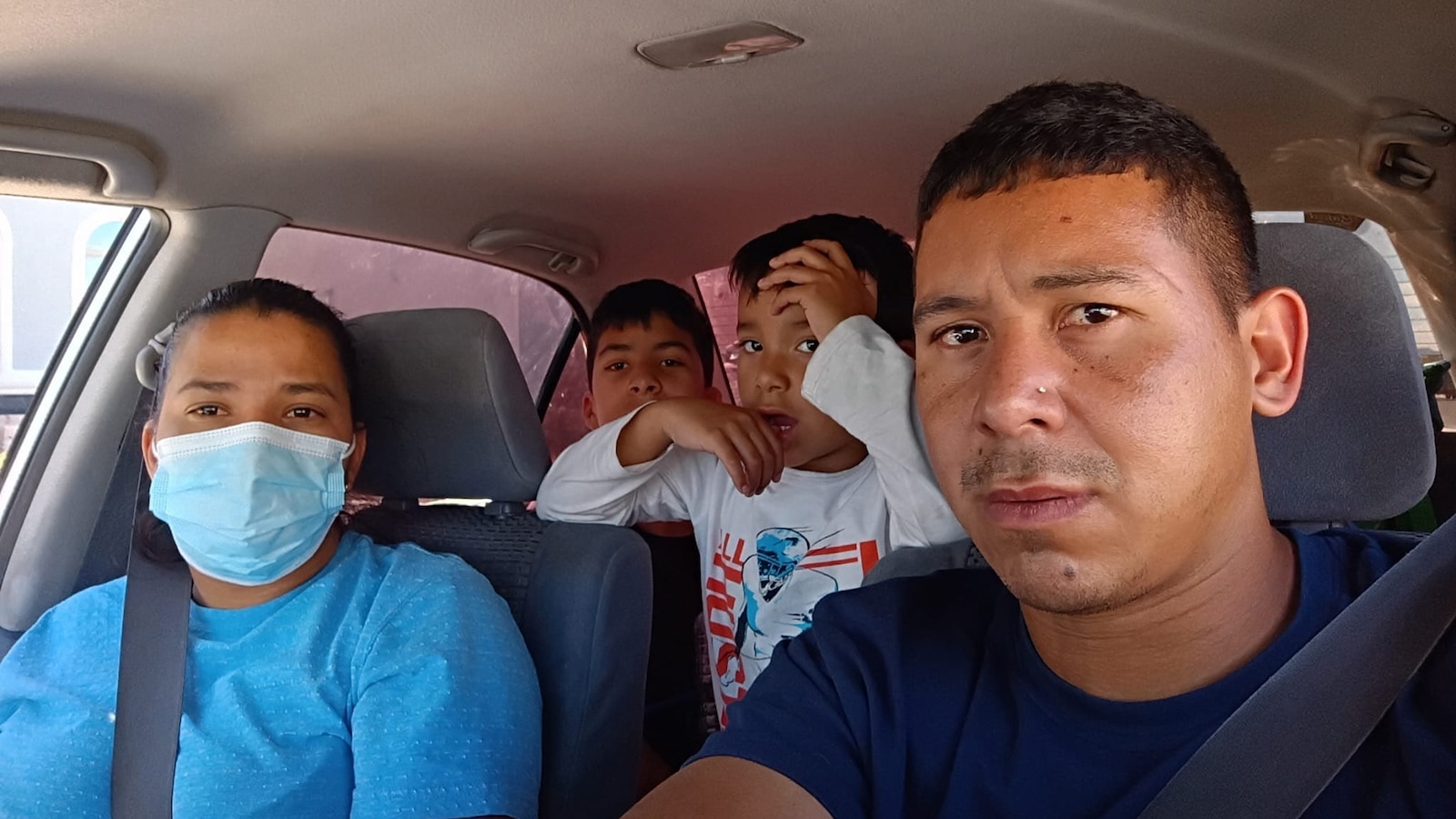
Adriana Laya and Miguel Alberto Caicedo believed their ordeal had finally ended when they walked out of a family detention center in Dilley, Texas, with their two young children. The Venezuelan family had spent two grueling months behind bars, separated from the life they had carefully built in Las Cruces, New Mexico. But their relief quickly turned to devastation when they returned home to discover they had been evicted from their apartment during their detention. Everything they owned—their carefully saved money, their children’s belongings, and even their beloved family dog—had vanished. Standing outside their former home, the family broke down in tears as the reality of their situation sank in. Their 11-year-old and 5-year-old children cried for their pet, their toys, and the familiar comfort of their own beds. All the family could do was hold each other tightly, trying to find strength in their unity as they faced this new crisis. The only possession they managed to recover was their car, which had been left in a government parking lot near the detention facility.
Building a Life, Only to Lose It All
The family’s journey to the United States began in 2024 when they entered the country under the Biden administration’s policies and were released on parole to pursue their asylum claim. Like many immigrant families seeking safety and opportunity, they worked hard to establish themselves in their new community. Caicedo found work as a delivery driver, navigating the streets of Las Cruces to earn a living, while Laya took on the demanding job of cleaning hotels. Their children enrolled in local schools, began making friends, and started adapting to American life. For a time, it seemed like the American dream they had traveled so far to find was becoming a reality. The family paid their bills, saved what money they could, and followed all the requirements of their immigration status. This included showing up for routine check-ins with Immigration and Customs Enforcement (ICE), a standard requirement for those released on parole. It was during one of these routine appointments in January that their world came crashing down. Instead of a simple check-in, the family of four was detained and transported to the South Texas Family Residential Center in Dilley, Texas—a facility that has become notorious among immigrant advocacy groups for its alleged poor conditions and inadequate medical care.
Two Months of Hardship at the Dilley Detention Center
The family’s experience at Dilley reads like a catalogue of suffering and deprivation. According to Laya and Caicedo, the water at the facility was so bad it was undrinkable, forcing families to struggle with basic hydration needs. The lights remained on constantly, even during nighttime hours, making it nearly impossible to get proper rest—a particularly cruel hardship for young children. Most alarmingly, when their oldest son, who has pre-existing kidney issues, fell ill with a fever, they claim medical staff repeatedly ignored their pleas for help. The family contracted COVID-19 twice during their detention, and Laya continues to suffer from a persistent cough weeks after their release. As of last month, approximately 1,400 people were being held at Dilley, including numerous children and their parents, according to RAICES, an immigrant legal advocacy organization. The facility had been closed during the Biden administration in response to criticism about conditions, but it was reopened as the Trump administration ramped up its immigration enforcement measures. The Department of Homeland Security has disputed allegations of inadequate care, with Deputy Assistant Secretary Lauren Bis stating that “this facility provided proper medical care for all detainees, including access to a pediatrician.” However, Bis also made a telling comment that revealed the administration’s perspective: “The fact is, being in detention is a choice. We encourage all parents to take control of their departure by using the CBP Home app and receiving a free flight home and $2,600.” The family also alleges they faced repeated pressure from ICE staff to sign voluntary departure forms that would have meant abandoning their asylum claim and returning to Venezuela. When they refused, stating they weren’t going to sign the papers, Laya recalls that one officer became very angry and insisted they had to sign. Despite the pressure, the family stood firm in their decision to pursue their legal right to seek asylum.
The Devastating Discovery Upon Release
While the family endured their detention at Dilley, life outside continued without them—with catastrophic consequences. At some point during their two-month absence, they were evicted from their apartment. A civil court record from July 2025 shows a “Landlord Tenant Restitution of Property” case filed against Laya, in which the court ruled in favor of the plaintiff and issued an order to vacate the property. However, the timing and circumstances surrounding the eviction raise troubling questions about what happens to detained immigrants’ homes and possessions when they are suddenly taken into custody with no opportunity to make arrangements. Everything the family had worked for over nearly two years in the United States disappeared: their savings, their furniture, their children’s clothes and toys, family photographs and documents, and their pet dog. Casey Revkin, the executive director of Each Step Home—an organization that supports immigrant detainees and helped the family with bus tickets back to New Mexico—expressed outrage at the situation. “This is a family that’s following the process,” Revkin explained. “They lost their apartment and their jobs and the money that they saved … everything gone, everything that they’ve worked for the past two years gone.” Revkin’s organization believes “this family should have never been detained” in the first place, pointing out that they were complying with all immigration requirements and posed no flight risk or danger to the community. The couple described feeling as though they were treated “as if they were criminals,” despite having no criminal record. An ABC News review of federal and state records confirmed that neither Laya nor Caicedo has any criminal cases or convictions on their records.
Starting Over From Absolute Zero
When the family was finally released in mid-February, they received a document from ICE stating that their parole authorization is valid for one year and will terminate upon their departure or removal from the United States unless ICE grants an extension. This means they can legally remain in the country while pursuing their asylum claim, but they must rebuild their entire lives from scratch. The family is now homeless and living in their car—the only possession they were able to recover. Laya and Caicedo sleep in the vehicle each night, while their children sometimes stay with a family friend who has offered temporary help. The situation is far from ideal, especially for young children who have already experienced significant trauma through detention and the loss of their home and belongings. Despite these overwhelming challenges, the family is determined to persevere. Caicedo recently received approval to work for DoorDash, which he sees as a blessing and a starting point for recovery. “After we drop our kids off at school, we get to work,” he told ABC News, describing their new daily routine. “We have to start from zero and keep going for our kids.” Laya has also resumed looking for cleaning work, hoping to piece together enough income to save for a security deposit and first month’s rent on a new apartment. The path ahead is daunting—they need to save enough money for housing while living in their car, replace all their basic necessities, and help their children process the trauma of losing their home, their pet, and their sense of security.
The Broader Implications of Immigration Enforcement
The Laya-Caicedo family’s story raises profound questions about the human cost of immigration enforcement policies and the unintended consequences that ripple through families’ lives when parents are detained. When people who are following legal processes and contributing to their communities are suddenly taken into custody at routine check-ins, they have no opportunity to make arrangements for their housing, possessions, or dependents. The result can be the complete destruction of the stability they’ve worked to build. Their experience also highlights the particular vulnerability of families pursuing asylum claims, who often exist in a legal limbo—authorized to be in the country and work, but without the permanent status that might provide greater protection or resources. They invest in building lives and integrating into communities, only to face the possibility of sudden detention that can unravel everything they’ve accomplished. As immigration enforcement continues to intensify, stories like this one serve as a reminder that behind every detention number and policy statistic are real families with children who attend school, parents who work hard, and dreams of building a better life. The Laya-Caicedo family’s resilience in the face of such devastating setbacks is remarkable, but it also prompts us to ask whether families following legal immigration processes should face such life-altering consequences for simply showing up to required check-ins.