
Daughter of Former Intelligence Director Sentenced to 35 Years for Fatal Stabbing
A Tragic End to a Drunken Dispute
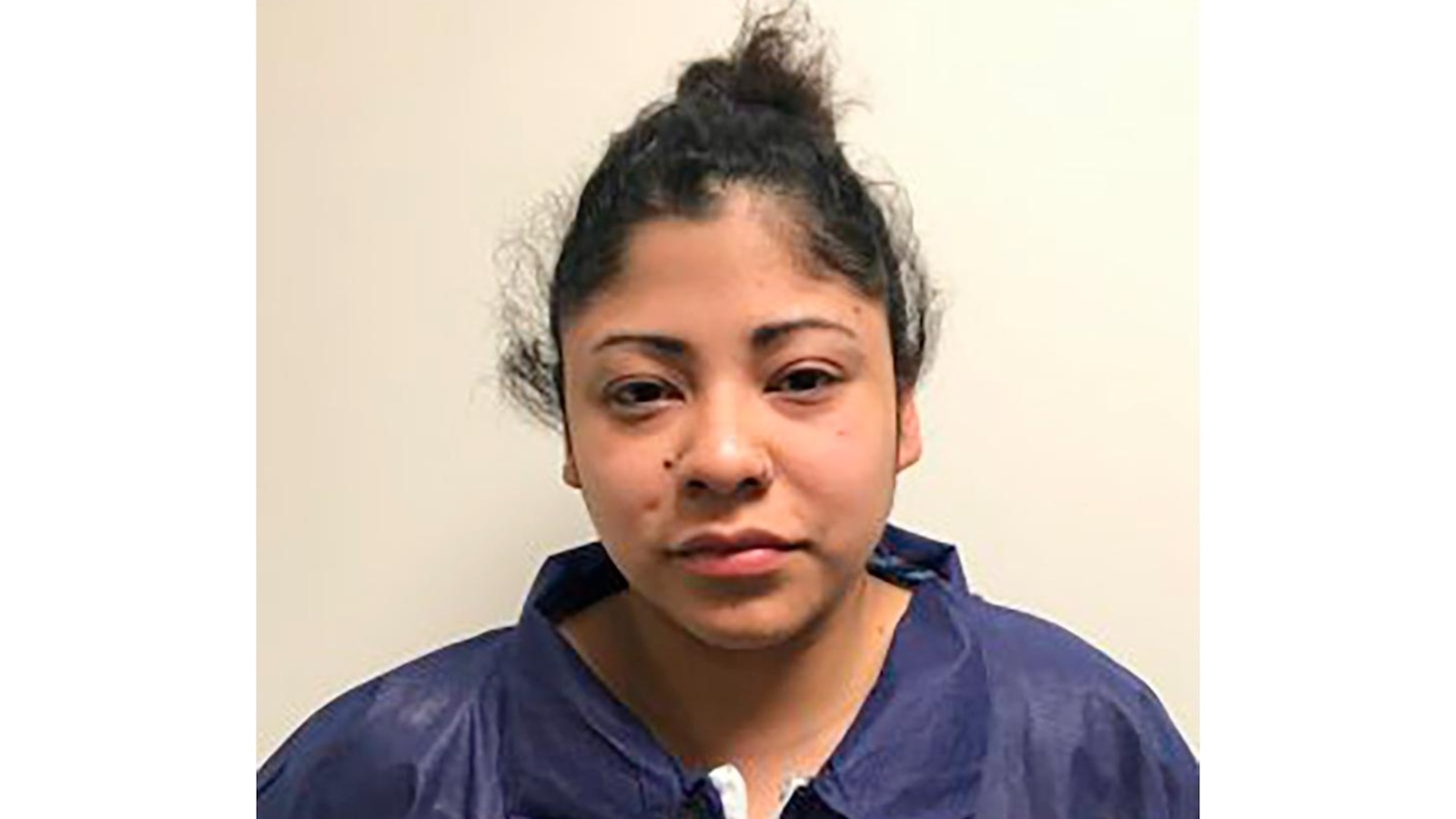
In a somber conclusion to a case that has captivated public attention due to its connection to a prominent American political family, Sophia Negroponte, the 33-year-old daughter of former U.S. intelligence director John Negroponte, received a 35-year prison sentence on Friday for the fatal stabbing of her friend. The sentencing took place in a Rockville, Maryland courtroom, where Montgomery County Circuit Court Judge Terrence McGann delivered the judgment following her November conviction for second-degree murder in the death of 24-year-old Yousuf Rasmussen. The tragic incident stemmed from a drunken argument that turned deadly at a Maryland residence, forever altering the lives of everyone involved and bringing an unfortunate spotlight to a family already well-known in political circles.
The case against Sophia Negroponte has been marked by unusual legal twists and turns, making it particularly noteworthy beyond the high-profile nature of her family name. This sentencing actually represents the second time she has faced consequences for this crime, as her initial 2023 conviction on the same second-degree murder charge was overturned on appeal. The appellate court’s decision to vacate the original conviction centered on significant procedural concerns regarding evidence that had been presented to the jury. Specifically, the appeals court determined that the jury in the first trial should not have been permitted to hear certain disputed portions of Sophia Negroponte’s police interrogation, nor should they have been exposed to testimony from a prosecution witness that called her credibility into question. These evidentiary issues were deemed serious enough to warrant a complete retrial, giving both the prosecution and defense another opportunity to present their cases before a new jury.
Justice Served Through Two Separate Jury Verdicts
Despite the legal complexities and the opportunity for a different outcome in the retrial, the second jury reached the same conclusion as the first, finding Sophia Negroponte guilty of second-degree murder in the stabbing death of Yousuf Rasmussen. Montgomery County State’s Attorney John McCarthy expressed satisfaction with the sentence, noting that the 35-year term precisely mirrored the punishment imposed following the first trial in 2023. In his statement following the sentencing, McCarthy emphasized that this consistency represented “an appropriate and just outcome in light of the seriousness of this crime and the consistent findings of two separate juries who carefully evaluated the evidence.” His remarks underscored the prosecution’s view that despite the procedural issues that necessitated a retrial, the fundamental facts of the case pointed clearly toward guilt, a conclusion that two independent groups of jurors reached after examining the evidence presented to them.
The fact that two separate juries, viewing slightly different sets of evidence due to the exclusion of the contested materials in the second trial, arrived at identical verdicts speaks to the strength of the remaining evidence against Sophia Negroponte. The case revolved around a fatal confrontation that occurred after she and Rasmussen had been drinking, leading to an argument that escalated to violence. While the specific details of what triggered the fatal stabbing may never be fully understood by those who weren’t present, the evidence was apparently compelling enough to convince 24 jurors across two separate trials that Sophia Negroponte was responsible for her friend’s death and that the killing met the legal standard for second-degree murder. The consistency of these verdicts likely provided some measure of closure to Rasmussen’s family, who have had to endure not just the loss of their young loved one but also the prolonged legal process with its unexpected twists and the emotional toll of effectively reliving the tragedy through two complete trials.
The Negroponte Family Background
Understanding the full context of this case requires acknowledging the prominent background from which Sophia Negroponte came, though her family’s achievements in public service make the tragedy all the more heartbreaking rather than serving as any form of excuse or mitigation. Sophia was one of five children from Honduras who were either abandoned or orphaned before being adopted by John Negroponte and his wife during his tenure as U.S. ambassador to the Central American nation in the 1980s. According to reports from The Washington Post, the Negropontes’ decision to adopt these children represented a personal commitment to humanitarian values during John Negroponte’s diplomatic service in a country that was experiencing significant political and social challenges during that era. For these adopted children, including Sophia, the adoption presumably offered opportunities and advantages that would have been unimaginable in their birth circumstances, bringing them into a family at the center of American foreign policy and intelligence operations.
John Negroponte himself built one of the most distinguished careers in American diplomatic and intelligence service in recent decades. His professional achievements include appointment by former President George W. Bush as the nation’s first-ever Director of National Intelligence in 2005, a position created in the wake of the September 11, 2001 terrorist attacks to better coordinate the various intelligence agencies of the United States government. Following his groundbreaking service in that role, he went on to serve as Deputy Secretary of State, one of the highest positions in American diplomacy. Beyond these prominent positions, his ambassadorial postings read like a tour of geopolitically significant nations and international bodies: Mexico, the Philippines, the United Nations, Honduras, and Iraq. Each of these positions placed him at critical junctures of American foreign policy, from managing the complex relationship with our southern neighbor, to representing American interests at the UN during turbulent times, to helping shape policy during the controversial Iraq War period. This remarkable career of public service, spanning multiple presidential administrations and both Republican and Democratic leadership, makes the personal tragedy involving his daughter all the more poignant.
The Human Dimensions of a Public Tragedy
While the Negroponte name carries weight in diplomatic and intelligence circles, this case ultimately revolves around a very human tragedy that destroyed one young life and has now effectively ended another. Yousuf Rasmussen was just 24 years old when he was killed, a young man with his entire future ahead of him, with dreams, relationships, and potential that will now never be realized. His family and friends have lost someone they loved, and no prison sentence, regardless of its length, can restore what was taken from them. Similarly, Sophia Negroponte, despite whatever advantages her upbringing may have provided, clearly struggled with issues that culminated in this fatal encounter. The involvement of alcohol in the argument that led to the stabbing suggests possible substance abuse problems, and the very fact that a disagreement between friends could escalate to lethal violence points to deeper psychological or emotional challenges that apparently went unaddressed or inadequately addressed before that tragic night.
The case also raises broader questions about adoption, trauma, and the challenges faced by children who experience early-life disruption, even when they are subsequently placed in stable, privileged environments. While we must be careful not to excuse violent criminal behavior based on childhood circumstances, it’s equally important to recognize that children who experience abandonment or become orphaned often carry psychological scars that can manifest in various ways throughout their lives. Whether Sophia Negroponte’s early experiences in Honduras before her adoption played any role in the personal struggles that ultimately led to this crime is a question that may never be fully answered, but it represents an important consideration in understanding the complete picture of how such a tragedy could occur. The intersection of privilege, trauma, substance abuse, and violence in this case creates a complex narrative that defies simple explanations, even as the legal system has now definitively assigned responsibility and punishment for the crime itself.
Looking Forward: Consequences and Reflections
As Sophia Negroponte begins serving her 35-year sentence, multiple families must now grapple with the long-term consequences of one terrible night. The Rasmussen family continues to mourn their loss while perhaps finding some solace in the fact that the legal system has held someone accountable for taking their son’s life. The Negroponte family, despite their history of public service and achievement, must now reckon with the reality that one of the children they worked to save from difficult circumstances in Honduras has been convicted of taking another person’s life and will spend decades in prison as a result. For John Negroponte, a man who spent his career serving his country at the highest levels, dealing with matters of national security and international diplomacy, this personal crisis represents a kind of challenge that no amount of professional experience could have prepared him for—the pain of watching a child face the consequences of such a serious crime.
The 35-year sentence means that Sophia Negroponte, currently 33 years old, will likely be in her late 60s before she has any possibility of release, effectively taking the prime years of her adult life. The prison system will now become her home, replacing whatever life she had built in Washington, D.C., and whatever plans she might have had for her future. This case serves as a sobering reminder that violence, regardless of one’s family background or the circumstances of one’s upbringing, carries serious consequences, and that alcohol-fueled arguments can escalate to tragedy with shocking speed. As Montgomery County State’s Attorney John McCarthy noted, the consistent findings of two separate juries who carefully evaluated the evidence confirmed the seriousness of this crime and the appropriateness of significant punishment. While the legal chapter of this story has now closed with the sentencing, the human dimensions of this tragedy—the loss, the grief, the shattered lives and families—will continue long after the courtroom proceedings have concluded.