
The World Faces an Unprecedented Oil Crisis: Understanding the Global Energy Gap
A Historic Emergency Response Falls Short
In a move that would have been unthinkable just months ago, the International Energy Agency has announced what can only be described as an emergency intervention of historic proportions. This organization, created during the turbulent 1970s specifically to help wealthy nations navigate oil crises, has coordinated the release of a staggering 400 million barrels of oil from emergency stockpiles across its member countries. To put this in perspective, this release is more than double any previous emergency measure in the organization’s five-decade history. It represents a collective acknowledgment by the world’s richest nations that we’re facing something truly extraordinary. Yet despite this massive injection of oil into global markets, something unexpected happened – or rather, didn’t happen. Oil prices barely moved. Brent crude, the international benchmark, remained stubbornly elevated, still trading about 25% higher than before the current Gulf crisis erupted. This puzzling response from the markets tells us something crucial: even this unprecedented release of emergency reserves isn’t enough to solve the fundamental problem the world is facing.
Understanding the Oil Market’s Basic Mechanics
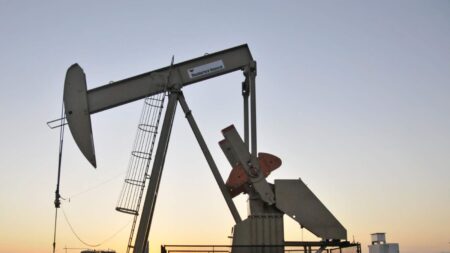
To grasp why such a massive stockpile release hasn’t calmed markets or brought prices down, we need to understand how the global oil market actually works. The best way to visualize it isn’t as a collection of underground pools and storage tanks, but rather as an enormous, interconnected network of pipes constantly flowing with crude oil and refined products. What truly matters for the global economy isn’t primarily about how much oil sits dormant in the ground in various reservoirs, or even how much we’ve stockpiled for emergencies. The critical factor is far simpler and more immediate: how much oil actually flows through this global system every single day. In recent years, that daily flow has averaged around 100 million barrels. This figure fluctuates somewhat with seasonal demand – more in winter for heating oil, variations during summer driving seasons – and may gradually decline in future years as electric vehicles become more common and renewable energy sources expand. But for now, the reality we must face is that modern civilization’s standard of living fundamentally depends on that daily flow of 100 million barrels. Our transportation systems, electrical grids, manufacturing of consumer goods, production of pharmaceuticals, and countless other aspects of daily life all rely on this constant river of crude oil moving through the world’s economic arteries.
The Gulf Crisis and Its Massive Impact
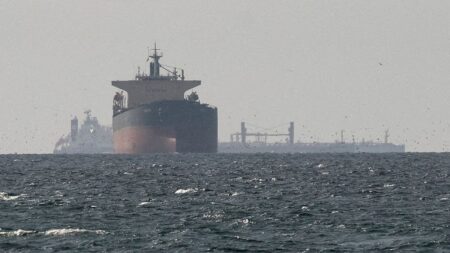
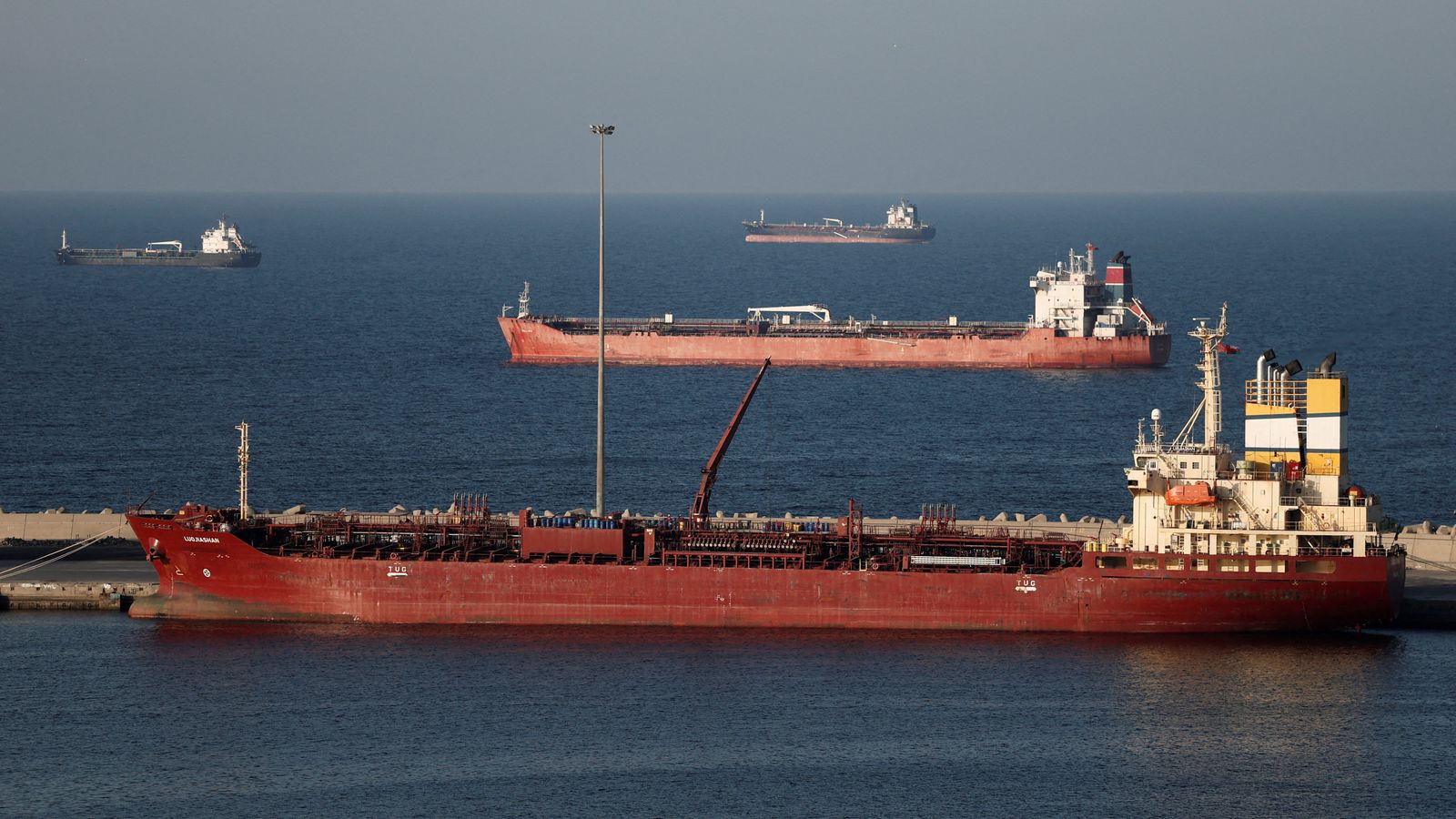
This brings us to the heart of the current crisis: the Persian Gulf region. This area has long been recognized as the world’s most critical oil-producing region, responsible for approximately 30% of global supply. Each day, roughly 15 million barrels of oil pass through the Strait of Hormuz, the narrow waterway that has become a chokepoint for global energy security. Iran’s recent threats to close this strait, combined with attacks on tankers and the dangerous conditions now facing ships attempting passage, have created exactly the scenario energy experts have long feared. The core of the energy shock now reverberating through the global economy is brutally simple: the world is suddenly running short of 15 million barrels of oil per day. This isn’t a theoretical shortage or a future concern – it’s happening right now. The gap between what the world needs to maintain its current level of economic activity and what’s actually available has created a crisis that no amount of emergency stockpile releases can fully bridge. This shortfall represents about 15% of global daily consumption, a proportion large enough to fundamentally disrupt markets and send ripple effects through every economy on Earth.
Why Emergency Measures Aren’t Enough
When we examine the International Energy Agency’s emergency response more closely, the limitations become apparent. While the headline figure of 400 million barrels sounds enormous, what really matters is the rate at which this oil will flow into global markets – the daily release rather than the total amount. The IEA notably didn’t specify this crucial detail in their announcement, but energy analysts have estimated that these emergency stockpiles will likely add between 4 and 5 million barrels per day to global supply. This is certainly significant and will provide some relief, but simple mathematics reveals the problem: it still leaves the world about 10 million barrels short every day. There are other potential sources that could help fill this gap. Saudi Arabia and the United Arab Emirates maintain pipeline infrastructure that allows them to export oil through routes that bypass the Persian Gulf entirely, avoiding the dangerous passage through the Strait of Hormuz. If these nations maximized production and utilized these alternative routes, they could potentially add another 5.7 million barrels daily to global markets. Additionally, some tanker traffic is still managing to navigate through Hormuz despite the risks, possibly adding another half million to one million barrels daily. However, even in the most optimistic scenario, adding up all these sources still leaves the world approximately 4 million barrels short of what it needs each day.
The Real-World Consequences Begin to Emerge
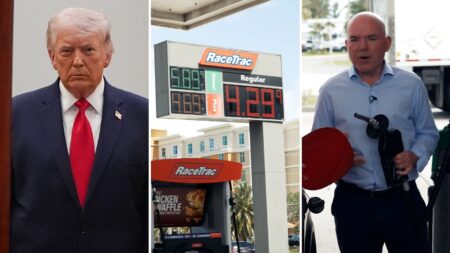
This persistent supply gap explains why oil prices remain stubbornly high despite the massive emergency interventions, and why the impacts are beginning to manifest around the world in increasingly visible ways. In Europe and North America, consumers are experiencing the most obvious effect: sharply higher gasoline and diesel prices at the pump. These increased fuel costs inevitably flow through to higher prices for goods and services across the economy, as transportation costs affect everything from food delivery to manufacturing supply chains. But the crisis is hitting even harder in other parts of the world, particularly across Asia where many economies are more vulnerable to energy price shocks. In India, oil refineries have been forced to shut down operations because they cannot secure adequate crude oil supplies at viable prices. The country has also begun rationing liquefied petroleum gas, which millions of households depend on for cooking and heating. Similar scenes are playing out across Southeast Asia. In Thailand and Vietnam, governments have issued official recommendations urging workers to stay home and work remotely wherever possible, not because of a pandemic, but to conserve precious gasoline and diesel fuel supplies. These aren’t temporary inconveniences – they represent real constraints on economic activity that, if prolonged, will translate into slower growth, reduced incomes, and lower living standards for billions of people.
An Uncertain Path Forward
The fundamental question facing the world is how long this supply gap will persist and how it might eventually be bridged. The current situation cannot continue indefinitely without serious economic consequences. If the Strait of Hormuz remains too dangerous for normal tanker traffic for an extended period, the 4 million barrel daily shortfall will begin to have compounding effects. Industries will scale back production, airlines will reduce flights, and governments may need to implement fuel rationing similar to what India is already experiencing. The longer the crisis continues, the more these impacts will deepen and spread. On the supply side, there are limited options for quickly replacing 15 million barrels of daily production. Oil production cannot be easily or quickly increased in most locations; it requires significant investment and time to bring new wells online. On the demand side, there’s little that can be done in the short term to reduce consumption by millions of barrels per day without accepting significant economic pain. The world finds itself in a precarious position, dependent on a resolution to the Gulf crisis that may not come quickly, while lacking adequate alternatives to bridge the energy gap. This situation underscores the ongoing vulnerability of the global economy to disruptions in oil supply and may ultimately accelerate the transition toward renewable energy and electric vehicles – though such transitions take years or decades, not the weeks or months needed to address the current crisis.