
The FA Steps In: Sir Jim Ratcliffe’s Immigration Remarks Spark Controversy at Manchester United
A Reminder of Football Responsibilities
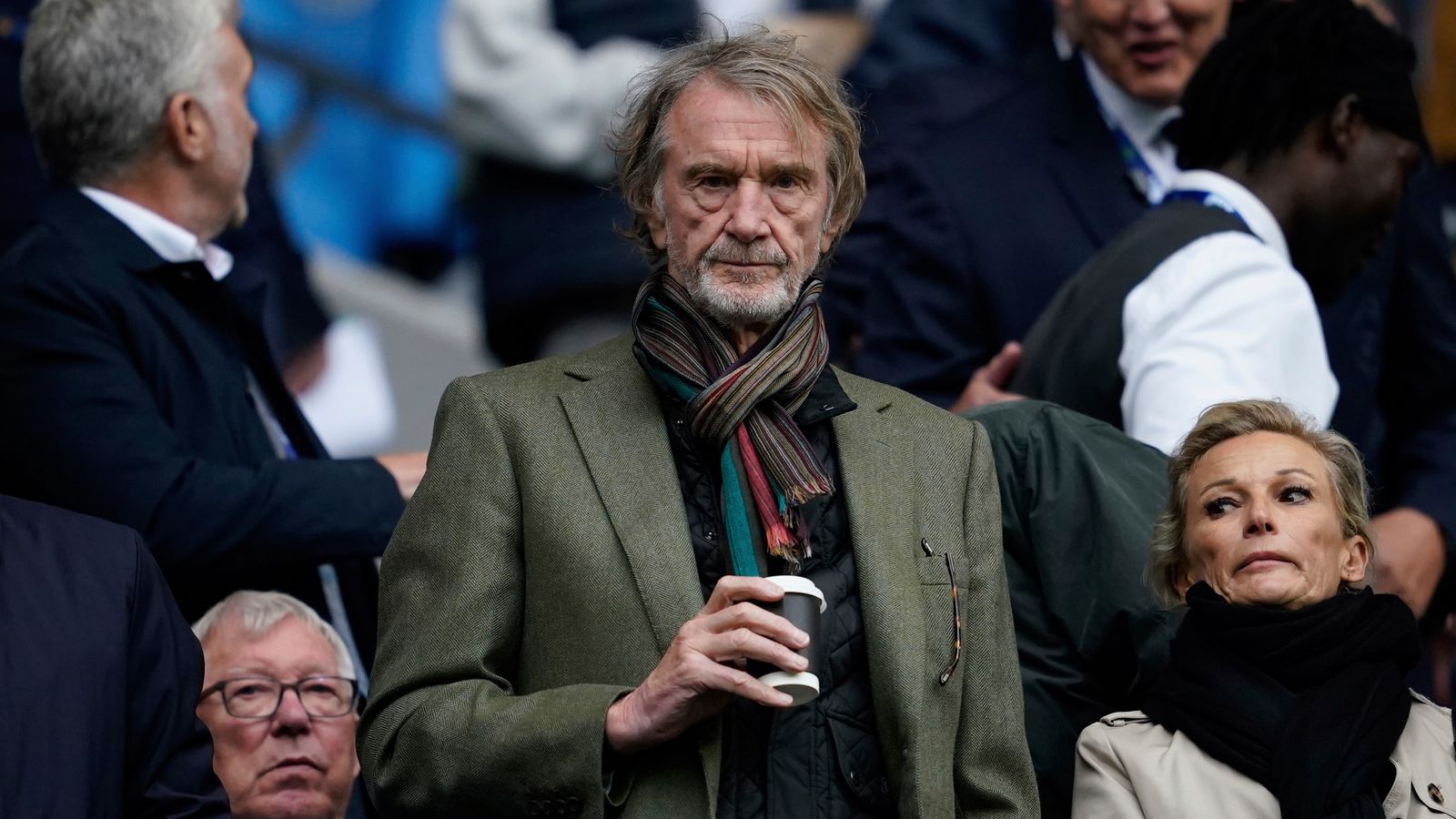
The Football Association has taken the unusual step of directly contacting Sir Jim Ratcliffe, the billionaire co-owner of Manchester United, following his controversial comments about immigration in Britain. While stopping short of formal disciplinary action, the governing body felt compelled to remind the INEOS founder of his responsibilities as a prominent figure in English football. The intervention highlights the increasingly important role that football authorities play in holding club owners accountable for their public statements, particularly when those remarks touch on sensitive social and political issues. The FA’s decision to speak with Ratcliffe underscores the understanding that football club ownership comes with significant influence and the expectation that owners will uphold the sport’s values of inclusivity and respect. Although the conversation was described as a reminder rather than a reprimand, it sends a clear message that those involved in English football at the highest levels are expected to consider the impact of their words carefully, especially when speaking to the media.
The Comments That Caused Outrage
Sir Jim Ratcliffe’s remarks to Sky News sparked immediate controversy across the political and sporting landscape. The billionaire, who notably lives in tax-free Monaco despite his British nationality, told reporters that Britain had been “colonised” by immigrants who were placing an unsustainable burden on state resources. His specific choice of the word “colonised” proved particularly inflammatory, given Britain’s own extensive history as a colonial power. Ratcliffe went on to paint a picture of an economy struggling under the weight of “nine million people on benefits and huge levels of immigrants coming in,” directly linking immigration to economic challenges. The irony of a tax exile commenting on the financial burdens facing Britain was not lost on many observers. His assertion that “the UK has been colonised by immigrants, really, hasn’t it?” suggested a fundamental misunderstanding or misrepresentation of both immigration and British history. The comments appeared to echo talking points commonly heard in certain political circles, but coming from such a high-profile figure in football—a sport built on diversity and international participation—they carried particular weight and generated widespread backlash.
Political Condemnation and Public Backlash
The reaction from Britain’s political leadership was swift and unequivocal. Prime Minister Sir Keir Starmer publicly called out the comments as “offensive and wrong,” using his platform on social media to defend Britain as “a proud, tolerant and diverse country” and directly calling on Ratcliffe to apologize. The Prime Minister’s intervention demonstrated the seriousness with which the government viewed the remarks, particularly coming from someone with such a prominent position in one of the country’s most beloved institutions. Chancellor Rachel Reeves went even further, describing Ratcliffe’s comments as “disgusting,” showing that senior government figures across different portfolios felt compelled to distance themselves from and condemn the Manchester United co-owner’s views. The political response reflected broader concerns about inflammatory rhetoric regarding immigration and its potential to fuel division in British society. Within the football community itself, the response was equally critical, with supporters’ groups and commentators questioning how someone with such views could appropriately lead a club with such a diverse fan base and international reach.
A Reluctant Apology and Community Response
In the face of mounting pressure from political leaders, football authorities, and Manchester United’s own supporter base, Ratcliffe eventually issued an apology—though many found it inadequate. His statement read: “I am sorry that my choice of language has offended some people in the UK and Europe and caused concern.” Critics were quick to point out that this was an apology for the language used rather than for the sentiment behind it, a distinction that did not go unnoticed. Preeetam Singh, representing the Stretford Sikhs fans’ group, articulated what many supporters felt: the apology came across as “very half-hearted, more of a justification of what he said.” Singh and others called for both Ratcliffe and Manchester United as a club to issue a more comprehensive and genuine apology that addressed the substance of the comments rather than simply regretting the offense caused. This response from supporters’ groups highlighted the increasingly important role that fan organizations play in holding clubs and their owners accountable. The Stretford Sikhs, as a group representing part of Manchester United’s diverse supporter community, had particular standing to call out comments that seemed to contradict the inclusive values many fans hold dear.
Manchester United’s Delicate Position
Manchester United Football Club found itself in a challenging position, needing to respond to its co-owner’s comments without creating an untenable relationship with someone who had recently invested significantly in the club. The club issued a carefully worded statement that managed to distance the organization from Ratcliffe’s views while celebrating the diversity that defines both Manchester as a city and United as a global institution. The statement emphasized that Manchester is a city “anyone can call home” and highlighted the club’s “diverse group of players, staff and global community of supporters.” This response reflected the reality that modern football clubs, particularly those with global reach like Manchester United, cannot afford to be associated with exclusionary rhetoric. The club’s hundreds of millions of supporters span every continent, nationality, religion, and ethnicity. Many of the club’s greatest players have been immigrants or children of immigrants, and the team’s success has been built on international recruitment and diversity. The statement served as an important reminder that while individual owners may express personal views, the club itself represents something larger—a community that transcends national borders and celebrates the contributions of people from all backgrounds.
Divided Opinions and Football’s Broader Challenge
Despite the widespread condemnation, Ratcliffe’s comments did find support in certain quarters, most notably from Nigel Farage, the leader of Reform UK. Farage described the “colonisation” comment as “correct” while suggesting that the backlash resulted from people not being “quite ready for it.” This division in public opinion reflects broader societal debates about immigration, national identity, and free speech that extend well beyond football. However, the incident raises important questions about the role and responsibilities of football club owners in modern Britain. Unlike previous generations when club owners were often local businesspeople with deep community ties, today’s Premier League is increasingly owned by international investors, billionaires, and sovereign wealth funds. This shift has brought tremendous financial resources to English football but has also created new challenges around values, accountability, and representation. The FA’s intervention in speaking with Ratcliffe, while not resulting in formal sanctions, suggests an evolving understanding that football authorities must engage with these issues rather than treating owners’ public statements as purely private matters. As football continues to position itself as a force for social good and community cohesion, incidents like this will likely prompt ongoing discussions about what standards should be expected of those who own and operate clubs, and what mechanisms should exist to ensure accountability when those standards aren’t met.