
FBI Networks Targeted in Suspicious Cyber Activity
A Breach in America’s Top Law Enforcement Agency
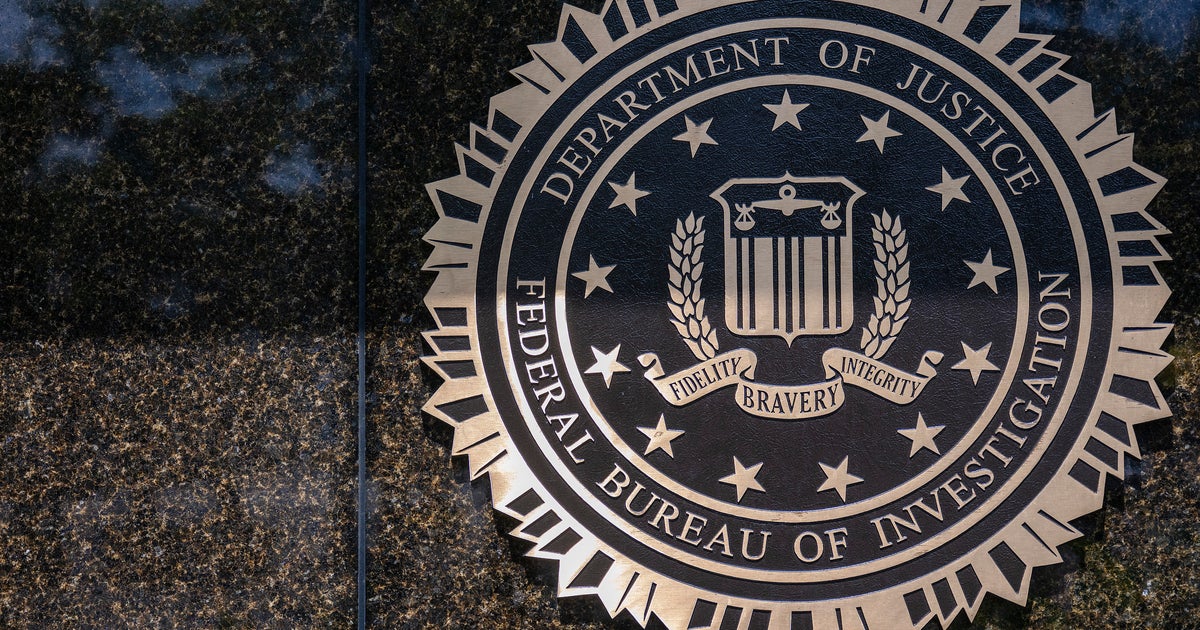
In a concerning development that has raised questions about cybersecurity at the highest levels of American law enforcement, the Federal Bureau of Investigation confirmed on Thursday that its computer networks had been subjected to what they described as “suspicious activities.” The acknowledgment came through a brief official statement that left more questions than answers, as the FBI provided minimal details about the scope, timing, or perpetrators of the incident. “The FBI identified and addressed suspicious activities on FBI networks, and we have leveraged all technical capabilities to respond. We have nothing additional to provide,” the bureau stated, maintaining the tight-lipped approach that has become characteristic of government agencies dealing with cybersecurity breaches. The vague nature of the statement has left cybersecurity experts, lawmakers, and the public wondering about the full extent of the breach and its potential implications for national security.
The Digital Collection System Under Attack
According to sources familiar with the matter, the cyber incident specifically targeted what is known as the FBI’s “digital collection system,” a critical piece of the bureau’s surveillance infrastructure. This network is far from ordinary—it represents one of the most sensitive technological assets in American law enforcement. Historical documents that were obtained through a Freedom of Information Act request by the Electronic Frontier Foundation, a digital rights advocacy organization, shed some light on what this system entails. These decades-old documents described the FBI’s “Digital Collection Systems Network” as a comprehensive suite of software tools that enables the bureau to conduct an extensive range of surveillance activities. These capabilities include everything from traditional wiretaps that intercept phone conversations to more sophisticated pen registers, which are specialized surveillance tools designed to capture and record metadata such as phone numbers, IP addresses, signaling information, and other digital breadcrumbs in real time. The targeting of such a system is particularly alarming because it suggests that whoever was behind this incident was seeking access to some of America’s most sensitive law enforcement surveillance capabilities.
The Mystery Surrounding the Breach
Despite the confirmation of the incident, critical details remain frustratingly out of reach for both the media and the public. CBS News, which first reported on the story, indicated that they could not determine several key facts about the breach, including the precise timing of when it occurred, who might have been responsible for orchestrating it, or most importantly, whether any sensitive information was actually compromised during the intrusion. This lack of information is not unusual when dealing with cybersecurity incidents involving government agencies, particularly those as security-conscious as the FBI. However, the silence also prevents independent assessment of the damage and raises concerns about accountability and transparency. The American public is left wondering whether personal information collected during legitimate surveillance operations might have been exposed, whether ongoing investigations were compromised, or whether foreign intelligence services gained insight into American law enforcement techniques and targets. The FBI’s decision to provide such minimal information, while perhaps necessary for operational security reasons, leaves a significant information vacuum that speculation and concern naturally fill.
The Salt Typhoon Connection and Chinese State-Sponsored Hacking
The FBI’s cyber incident comes against a backdrop of increasingly aggressive and sophisticated cyber operations by foreign state-sponsored hacking groups, particularly those linked to China. In 2024, a Chinese state-sponsored hacking group known as “Salt Typhoon” launched a series of devastating cyber assaults against commercial telecommunications companies throughout the United States. This campaign represented one of the most significant breaches of American communications infrastructure in recent history. The group successfully penetrated numerous major U.S. telecommunications companies, including industry giants Verizon, AT&T, and Lumen Technologies, gaining access to systems that form the backbone of American communications. Most alarmingly, CBS News previously reported that these hackers also breached systems that are specifically used by U.S. intelligence agencies to conduct wiretaps—essentially compromising the very tools that American security services use to monitor threats. This means that while American intelligence was attempting to listen to foreign adversaries and domestic threats, those same adversaries may have been listening to the listeners, gaining insight into who and what American intelligence considers important enough to monitor.
High-Profile Political Targets
The reach of the Salt Typhoon group extended beyond commercial and intelligence systems to touch the very highest levels of American politics. The same hacking collective was identified as being responsible for attempts to tap into phones and networks used by then-former President Donald Trump and his running mate, Senator JD Vance, during their presidential campaign. The group also targeted members of former Vice President Kamala Harris’s presidential campaign, demonstrating a clear interest in gaining intelligence on both sides of the American political spectrum. These targeting decisions reveal a sophisticated understanding of American politics and a desire to gain insight into the thinking, planning, and private communications of those who would potentially lead the United States. The fact that a foreign government would dedicate resources to penetrating the communications of presidential candidates underscores both the value of such intelligence and the vulnerability of even the most security-conscious political operations. While CBS News reported on these targeting attempts at the time, the full extent of what information may have been obtained remains unclear, adding another layer of concern to an already troubling pattern of foreign interference in American democratic processes.
Broader Implications for National Security and Digital Privacy
The targeting of FBI networks, when viewed in the context of the broader Salt Typhoon campaign and other recent cyber incidents, paints a troubling picture of America’s cybersecurity vulnerabilities. While there is no public confirmation that the FBI breach and the Salt Typhoon telecommunications breaches are connected, the pattern of attacks suggests a coordinated and ongoing effort by foreign adversaries to penetrate American security infrastructure at multiple levels. For ordinary Americans, these incidents raise serious questions about the security of their personal information and communications. If hackers can breach the systems used by the FBI to conduct surveillance and can compromise the networks of major telecommunications companies, what protection do individual citizens have? The irony is particularly sharp: the very systems designed to protect Americans by monitoring threats are themselves becoming targets, potentially exposing the private information of innocent people whose communications were lawfully intercepted during investigations. As the United States continues to grapple with the challenge of maintaining security in an increasingly digital world, incidents like these underscore the need for significant investment in cybersecurity infrastructure, better coordination between government agencies and private sector companies, and perhaps most importantly, a national conversation about the balance between surveillance capabilities and the security vulnerabilities those capabilities may create. The FBI’s terse statement about addressing the suspicious activities offers little reassurance that these fundamental challenges are being adequately addressed.