
FBI Escalates Hunt for Gang-Related Murder Suspect with $1 Million Reward
A Tragic Death at a Los Angeles Barbershop
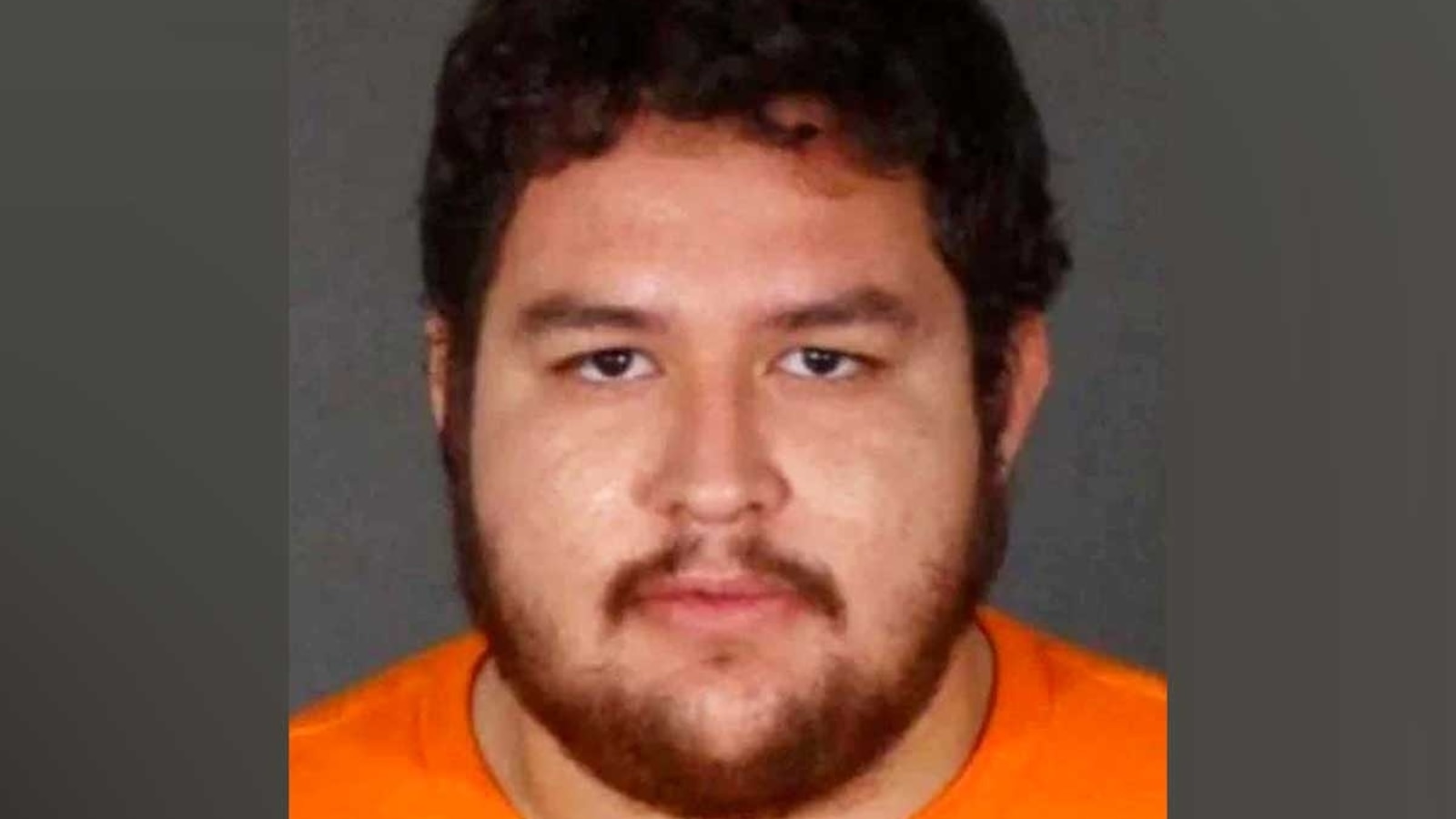
In what started as an ordinary day at a Los Angeles barbershop in August 2019, a violent shooting shattered lives and launched one of the FBI’s most intensive fugitive hunts. Omar Alexander Cardenas stands accused of walking into that barbershop on August 15, 2019, and opening fire on Jabali Dumas, striking him in the head with multiple rounds. Dumas didn’t survive the attack, leaving behind grieving family members and a community searching for answers. What investigators believe was a gang-related execution has now become a case of national significance, with federal authorities demonstrating their commitment to bringing the alleged killer to justice by dramatically increasing the reward for his capture to an unprecedented $1 million.
The tragedy that unfolded that summer day represents more than just crime statistics—it’s a story about a life cut short, a family forever changed, and a suspect who has managed to evade one of the world’s most sophisticated law enforcement agencies for more than five years. As investigators pieced together what happened, they concluded that Cardenas had gang connections and that this brutal murder was likely tied to gang activity in the Los Angeles area. The shooting wasn’t a random act of violence but appears to have been a targeted hit that Cardenas allegedly carried out before disappearing, leaving authorities scrambling to track him down across international borders.
The Long Pursuit and Escalating Stakes
The wheels of justice began turning shortly after the murder, but Cardenas had already vanished. It wasn’t until April 2020—eight months after Dumas was killed—that local authorities issued a warrant for Cardenas’ arrest on murder charges. By that time, the trail had grown cold, and investigators suspected that Cardenas had already fled the country, likely crossing the border into Mexico where he could blend into communities and stay one step ahead of law enforcement. The FBI subsequently brought federal charges against him for unlawful flight to avoid prosecution, elevating the case from a local murder investigation to a federal manhunt.
In 2022, the FBI made a significant move by adding Cardenas to its prestigious—or rather infamous—”Top Ten Most Wanted Fugitives” list. This list, which has existed since 1950, represents the individuals federal authorities most desperately want to capture. Being named to this list brings enormous resources and national attention to a case, dramatically increasing the chances of apprehension. At the time Cardenas was added to the list, the FBI offered a $100,000 reward for information leading to his arrest—a substantial sum that demonstrated the seriousness with which authorities viewed the case. However, as months turned into years and Cardenas remained at large, the FBI decided more drastic measures were needed.
The reward gradually increased to $250,000 as tips failed to produce the breakthrough investigators needed. Then, in a dramatic escalation announced this Tuesday, the FBI increased the reward tenfold to an eye-popping $1 million. This massive reward represents one of the highest bounties ever offered for information on a fugitive and sends a clear message: the FBI and local law enforcement will spare no expense and leave no stone unturned in their efforts to bring Cardenas to justice and provide closure to the Dumas family.
Law Enforcement’s Determined Message
Los Angeles Police Chief Jim McDonnell didn’t mince words when addressing the public about the increased reward and the ongoing investigation. Calling the $1 million bounty a “critical step forward,” McDonnell made a direct appeal to anyone who might have information about Cardenas’ location. “We believe that someone knows Omar Cardenas’ whereabouts, and we’re urging anyone with information to please come forward,” the chief stated during a press briefing on Tuesday. His words carried the weight of a more than five-year investigation and the pain of a family still waiting for justice.
McDonnell’s statement reflected both frustration and determination—frustration that Cardenas has managed to evade capture for so long, and determination that this massive reward might finally motivate someone to provide the crucial information needed to locate him. “Our mission is clear—to locate and apprehend Cardenas and bring justice for the Dumas family,” the chief continued. This emphasis on the victim’s family serves as a reminder that behind every wanted poster and reward announcement are real people whose lives have been forever altered by violence and who deserve to see the person responsible held accountable.
The FBI’s Akil Davis, assistant director in charge of the Los Angeles field office, reinforced this message with comments that revealed both the international scope of the investigation and the confidence authorities have in eventually capturing Cardenas. Davis pointed to the recent success in apprehending another high-profile fugitive on the FBI’s Most Wanted list—Ryan Wedding, a former Olympic snowboarder who allegedly reinvented himself as a drug kingpin. Wedding was captured in Mexico, demonstrating that even fugitives who flee across international borders aren’t beyond the reach of determined law enforcement cooperation.
A Direct Warning to the Fugitive
In what might be considered an unusual move, Davis issued a direct warning to Cardenas himself during the press briefing, speaking as if the fugitive might be watching or would hear about the message. “Mexico is not safe for you, Mr. Cardenas, if that’s where you’re hiding,” Davis declared, making it clear that authorities believe they’re closing in and that international borders won’t provide permanent sanctuary. This direct address serves multiple purposes—it’s meant to rattle Cardenas, making him feel less secure in whatever hiding place he’s found, while also signaling to Mexican authorities and the public that American law enforcement is actively engaged with partners south of the border.
Davis expressed complete confidence in the task force assembled to hunt down Cardenas, stating, “I have full faith in this task force that they will bring you to justice.” These weren’t empty words but rather reflected the strengthening relationship between U.S. and Mexican law enforcement agencies. The collaboration between the two nations on fugitive cases has improved significantly in recent years, with both countries recognizing that criminal networks and the individuals within them often operate across borders and require coordinated international responses.
The reference to Ryan Wedding’s capture was strategic and deliberate—it served as proof that the FBI’s reach extends well into Mexico and that fugitives who think they can simply disappear south of the border are mistaken. Wedding’s case showed that even someone with resources, connections, and years of experience evading authorities could eventually be tracked down through persistent investigation and international cooperation. The message to Cardenas was clear: your time is running out, and the net is tightening.
The Impact of a Million-Dollar Reward
A $1 million reward is more than just a number—it’s a life-changing amount of money that can motivate people to come forward with information they might otherwise keep to themselves. In communities where gang violence is a reality, people often remain silent out of fear of retaliation or because of cultural codes against cooperating with law enforcement. However, a reward of this magnitude can overcome those hesitations, particularly for someone who might not be directly involved in gang activity but has heard something or seen something that could help locate Cardenas.
The psychology behind such a large reward is multifaceted. It generates renewed media attention to the case, keeping Cardenas’ face and story in the public eye and increasing the chances that someone will recognize him or recall information they’d previously dismissed as unimportant. It also signals to Cardenas’ potential network of supporters that the cost of harboring him has become much higher—if someone knows where he is, the temptation of $1 million might outweigh whatever loyalty or fear has kept them silent thus far. Additionally, such a substantial reward validates the seriousness of the crime and the commitment to the victim’s family, showing that Jabali Dumas’ life mattered and that his death won’t be forgotten or go unpunished simply because time has passed.
For the Dumas family, this increased reward represents renewed hope that they might finally get answers and see justice served for their loved one. While no amount of money or punishment can bring Jabali back, knowing that the person allegedly responsible has been caught and held accountable can provide a measure of closure that families desperately need to begin healing. The FBI’s willingness to offer such an unprecedented reward demonstrates that they understand this need and remain committed to achieving that outcome no matter how long it takes or what resources must be dedicated to the effort.