
FBI Warns of Potential Drone Threats to California Coast Amid Rising Iran Tensions
Intelligence Alerts Reveal Heightened Security Concerns
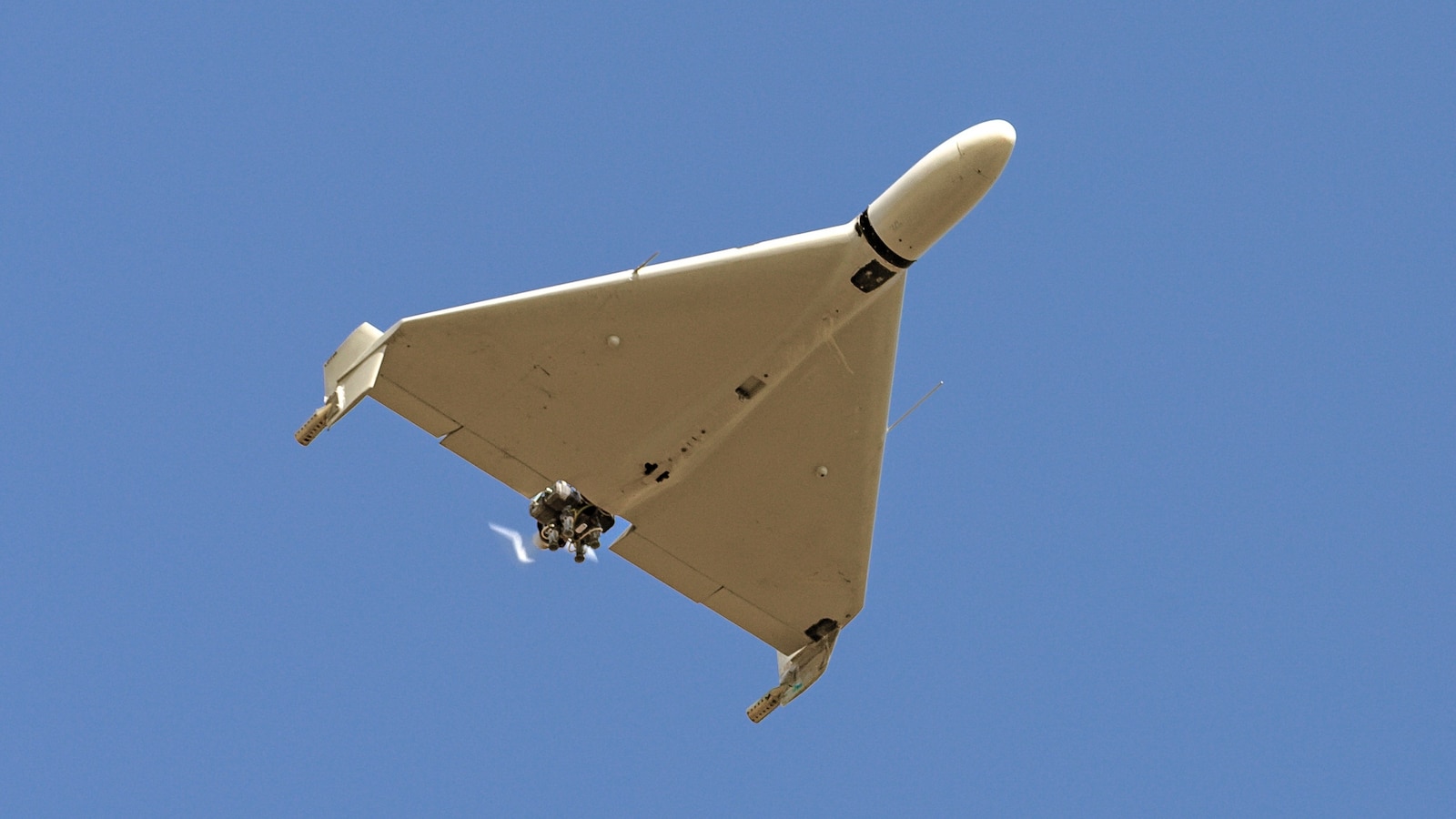
Federal law enforcement officials have sounded the alarm about potential security threats facing the American West Coast, specifically California, as tensions with Iran continue to escalate. According to a recent intelligence alert distributed by the FBI to California police departments, Iranian operatives may be planning retaliatory drone strikes launched from vessels positioned off the Pacific coastline. The warning, which was circulated in late February, comes at a particularly sensitive time as the Trump administration has intensified its military campaign against the Islamic Republic. While the alert emphasizes that many details remain unclear—including specific timing, exact targets, and the identity of potential attackers—the mere existence of such intelligence has prompted law enforcement agencies across California to reassess their preparedness for unconventional aerial attacks. The FBI’s warning represents a significant shift in how authorities view homeland security threats, acknowledging that modern warfare technology has made it increasingly possible for adversaries to strike American soil in ways that were previously considered unlikely or impractical.
Details of the Iranian Threat Assessment
The FBI’s intelligence bulletin, which ABC News obtained and reviewed, contains troubling specifics about Iran’s alleged capabilities and intentions. According to the alert, information acquired as of early February 2026 suggests that Iranian operatives have expressed aspirations to conduct a surprise attack using unmanned aerial vehicles—commonly known as drones—launched from an unidentified vessel somewhere off the United States coast. The targets would specifically be located in California, though the exact locations remain unspecified in the intelligence report. This potential attack scenario is described as a contingency plan that would be activated in the event that the United States conducts strikes against Iranian interests or territory. The timing of this intelligence is particularly significant given that Iran has already demonstrated its willingness and capability to use drone technology in retaliatory strikes throughout the Middle East following recent American military actions. However, the FBI has been careful to note in its alert that considerable uncertainty remains about this threat, stating explicitly that they possess “no additional information on the timing, method, target, or perpetrators of this alleged attack.” This lack of specific detail presents challenges for law enforcement agencies trying to develop appropriate response protocols, though the general nature of the threat is taken seriously enough to warrant widespread distribution of the warning to local police departments throughout California.
The Expanding Drone Warfare Landscape
The threat from Iran represents just one dimension of a growing concern among American intelligence and law enforcement officials about the proliferation of drone technology in the hands of hostile actors. In addition to foreign state adversaries, U.S. intelligence agencies have identified another troubling trend much closer to home—the increasing sophistication of Mexican drug cartels’ drone capabilities. A September 2025 intelligence bulletin reviewed by ABC News revealed that authorities had received an uncorroborated report suggesting that unidentified Mexican cartel leaders had discussed and potentially authorized attacks using drones equipped with explosives against U.S. law enforcement and military personnel stationed along the U.S.-Mexico border. While the bulletin acknowledges that such an attack would be “unprecedented” on American soil, intelligence analysts consider it a “plausible scenario” given the technological capabilities that cartels have demonstrated. Historically, Mexican cartels have avoided actions that would provoke aggressive responses from U.S. authorities, preferring to maintain relatively low profiles that allow their lucrative drug trafficking operations to continue with minimal interference. However, as competition between cartels intensifies and their technological capabilities expand, the calculus of what attacks they might be willing to risk appears to be changing. The convergence of these two separate threat streams—sophisticated state actors like Iran and well-funded criminal organizations like Mexican cartels—has created what security experts describe as a complex, multi-dimensional challenge for American homeland security agencies.
Expert Analysis and Strategic Implications
John Cohen, who previously served as the head of intelligence for the Department of Homeland Security and now contributes analysis to ABC News, has expressed serious concern about the dual nature of drone threats facing the United States from both the Pacific Ocean and the Mexican border. Cohen emphasized the interconnected nature of these threats, noting that Iran has established an extensive operational presence throughout Mexico and South America over the past several years. “We know Iran has an extensive presence in Mexico and South America, they have relationships, they have the drones and now they have the incentive to conduct attacks,” Cohen explained, highlighting how geopolitical tensions could potentially merge with existing criminal networks to create even more dangerous scenarios. Cohen praised the FBI’s decision to distribute this warning to state and local law enforcement agencies, emphasizing that advanced notice of potential threats allows police departments and emergency response teams to develop appropriate preparedness measures and response protocols. “The FBI is smart for putting this warning out so that state and locals can be better able to prepare and respond to these types of threats,” he noted, adding that “information like this is critically important for law enforcement.” The value of such intelligence sharing cannot be overstated in an era when threats can materialize quickly and from unexpected directions, requiring coordination between federal, state, and local agencies that might not traditionally work closely together on national security matters.
Unanswered Questions and Operational Challenges
Despite the seriousness with which authorities are treating these threats, significant uncertainties remain about how such attacks might actually be carried out and what vulnerabilities exist in current defense systems. The FBI’s alert to California law enforcement did not provide specific information about how vessels carrying attack drones could position themselves close enough to the U.S. mainland to launch effective strikes without being detected by Coast Guard patrols, naval assets, or maritime surveillance systems. However, intelligence officials have long maintained concerns about the possibility of equipment being pre-positioned—either on American soil or aboard ships stationed in international waters—that could be activated quickly in the event of conflict between the United States and Iran or its proxy forces. The vast expanse of the Pacific Ocean, combined with the heavy commercial shipping traffic that passes near California’s coast daily, creates numerous opportunities for hostile actors to disguise military assets among legitimate maritime vessels. Additionally, the relatively low cost and small size of modern drone technology means that significant offensive capability could be packed into containers or vessels that would not necessarily attract attention from routine surveillance. These operational realities present substantial challenges for security agencies tasked with protecting thousands of miles of coastline and countless potential targets throughout California, from military installations to critical infrastructure to population centers.
Official Responses and Public Safety Considerations
The institutional responses to these intelligence warnings have been notably measured, with some agencies declining to provide public commentary on the specifics of the threats or the countermeasures being developed. A spokeswoman for the FBI office in Los Angeles declined to comment when contacted by ABC News about the alert sent to California law enforcement agencies, adhering to the bureau’s standard practice of not discussing ongoing intelligence matters or active threat assessments. Similarly, the White House did not immediately respond to requests for comment about the Iranian drone threat or what steps the administration might be taking to address the vulnerabilities identified in the FBI’s warning. This official silence, while typical of how sensitive security matters are handled, leaves the public with limited information about what protective measures are being implemented and what ordinary citizens should do to remain safe. The situation highlights the delicate balance that authorities must strike between keeping the public informed about potential dangers and avoiding unnecessary panic or the disclosure of information that might compromise security operations or intelligence sources. As tensions with Iran continue to escalate and the technological capabilities of both state and non-state actors continue to advance, Americans living in California and other potential target areas are left to trust that law enforcement and intelligence agencies are taking appropriate action based on the information they possess, even when the details of those threats and responses cannot be fully shared with the public.