

FCC Orders Early License Review of Disney’s ABC Stations Amid DEI Investigation
The Federal Communications Commission has taken an unprecedented step by ordering the Walt Disney Company to submit early license renewal applications for its ABC television stations, signaling what could become a significant clash between federal regulators and one of America’s largest media conglomerates. This decision, announced on Tuesday, has sent ripples through the broadcasting industry and raised questions about the intersection of corporate diversity policies, government oversight, and media regulation in today’s politically charged environment.
Understanding the FCC’s Investigation and Its Implications
At the heart of this regulatory action lies an FCC investigation into possible violations of the Communications Act of 1934 and the agency’s rules against unlawful discrimination. According to an FCC official who spoke with CBS News, this investigation specifically focuses on Disney’s diversity, equity, and inclusion practices and has been underway since March 2025. The decision to accelerate the license review process represents a significant departure from normal procedures, as ABC’s station licenses weren’t originally scheduled for renewal until sometime between 2028 and 2031. This three-to-six-year advancement of the review timeline demonstrates the seriousness with which the FCC is treating its investigation.
The Communications Act of 1934, which established the FCC and continues to govern broadcasting in the United States, requires broadcasters to operate in the public interest. The law also prohibits various forms of discrimination, though the specific nature of the alleged violations in Disney’s case has not been fully detailed in public statements. By invoking this foundational broadcasting law, the FCC is suggesting that Disney’s corporate practices may somehow conflict with its obligations as a holder of valuable public broadcast licenses. The affected properties include eight television stations owned by Disney, among them major market powerhouses like WABC-TV in New York and KABC-TV in Los Angeles, stations that reach millions of viewers daily and represent substantial assets for the company.
Disney’s Response and Defense of Its Broadcasting Record
Disney has responded to the FCC’s order with a firm defense of its broadcasting practices and a clear statement of confidence in its compliance record. In a statement provided to CBS News, a Disney spokesperson emphasized the company’s longstanding commitment to serving its communities and following all applicable regulations. “ABC and its stations have a long record of operating in full compliance with FCC rules and serving their local communities with trusted news, emergency information, and public-interest programming,” the spokesperson stated, adding that the company remains “confident that record demonstrates our continued qualifications as licensees under the Communications Act and the First Amendment.”
This response is notable for several reasons. First, Disney is invoking not only the Communications Act but also the First Amendment, suggesting the company may view this action as potentially infringing on press freedom and editorial independence. By mentioning constitutional protections alongside regulatory compliance, Disney appears to be laying groundwork for a possible legal challenge should the FCC’s investigation lead to adverse actions against the company. Second, the statement emphasizes ABC’s community service through news coverage, emergency information, and public-interest programming—the core obligations that justify granting broadcast licenses in the first place. Disney is essentially reminding regulators and the public that its stations fulfill their fundamental public service mission regardless of whatever concerns exist about corporate DEI policies.
The Political Context: The Jimmy Kimmel Controversy
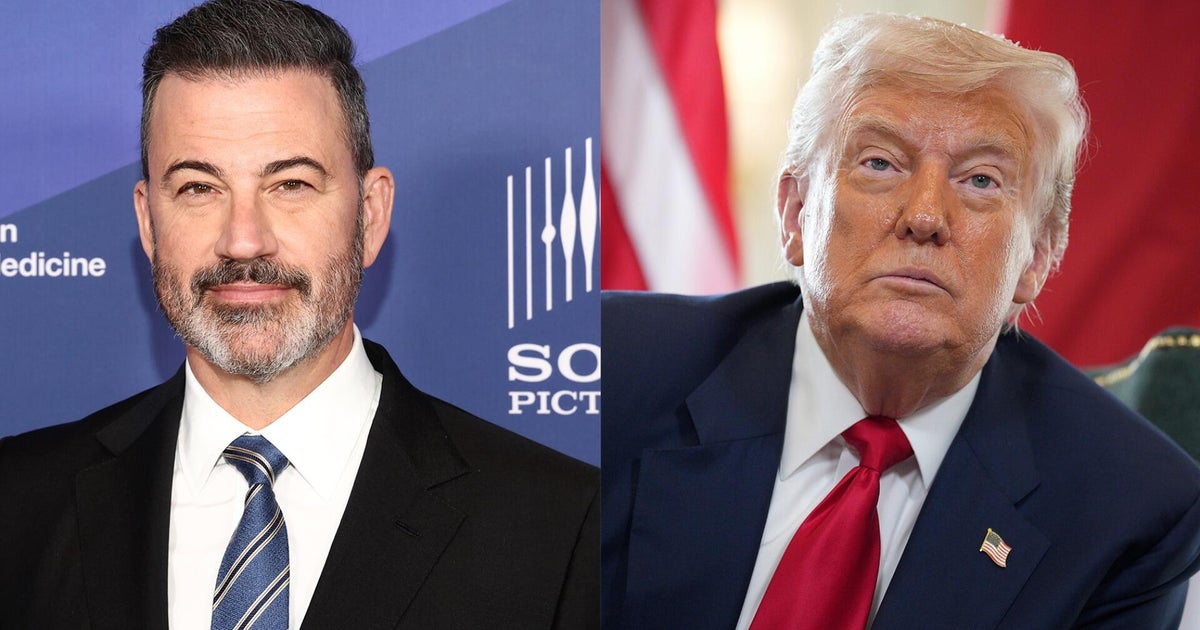
The timing of the FCC’s action has raised eyebrows, particularly given recent political tensions between ABC and the Trump family. Just weeks before the FCC’s announcement, both President Trump and First Lady Melania Trump publicly called for ABC to fire late-night host Jimmy Kimmel following a controversial joke he made on his April 23 show. During that broadcast, Kimmel pretended to deliver a comedy routine for the upcoming White House Correspondents’ Dinner, during which he described the first lady as having “the glow of an expectant widow.” The remark, which implied anticipation of the president’s death, sparked immediate backlash.
The situation took on even greater significance in the aftermath of an incident at the actual White House Correspondents’ Dinner two days later. According to reports, an alleged gunman shot a Secret Service agent at the Washington, D.C., ballroom where the Trumps had gathered for the event. Following this frightening incident, the First Lady intensified her criticism, stating that ABC should “take a stand” against Kimmel and presumably remove him from the air. While there is no explicit connection stated between the Kimmel controversy and the FCC’s license review order, the proximity of these events has led to speculation about whether political pressure might be influencing regulatory decisions. Such concerns touch on fundamental questions about the independence of federal agencies and the potential for government power to be wielded against media organizations that broadcast content critical of those in power.
Broader Implications for Media Regulation and DEI Policies
This case represents a potential flashpoint in the ongoing national debate about diversity, equity, and inclusion initiatives in corporate America. Over the past several years, DEI programs have become standard practice at major corporations, including media companies, as organizations have sought to address historical underrepresentation and create more inclusive workplaces. However, these initiatives have also faced mounting criticism and legal challenges from those who argue they can constitute reverse discrimination or violate principles of merit-based employment.
The FCC’s investigation into Disney’s DEI practices could set important precedents for how federal regulators view such programs, particularly in the context of licensed industries like broadcasting. If the FCC were to find that Disney’s diversity initiatives somehow violate non-discrimination provisions in communications law, it could have far-reaching effects not only for other broadcasters but potentially for regulated industries more broadly. On the other hand, if Disney successfully defends its practices, it might establish stronger legal footing for DEI programs in the face of regulatory scrutiny. The outcome of this case could influence how companies across various sectors approach diversity and inclusion efforts, particularly those subject to federal licensing or other forms of government oversight.
The License Renewal Process and What Comes Next
Broadcast license renewals are typically routine affairs, with stations submitting documentation of their compliance with various FCC rules and their service to their communities. However, when the FCC orders an early renewal review in conjunction with an ongoing investigation, the process becomes considerably more complicated and consequential. Disney will need to prepare comprehensive filings demonstrating that each of its eight ABC-owned stations has operated in compliance with all applicable laws and regulations and that the company remains qualified to hold these licenses.
The stakes could not be higher for Disney. Broadcast licenses represent valuable assets, not only because of the revenue the stations generate but also because of their role in Disney’s broader media ecosystem. ABC’s owned-and-operated stations serve as flagships for the network, providing crucial distribution for ABC programming and serving as testing grounds for content and business innovations. Loss of even one major-market license would represent a significant blow to the company, while more extensive license challenges could fundamentally alter Disney’s position in the television industry. The company has indicated it is “prepared to show” its qualifications “through the appropriate legal channels,” suggesting it is ready for what could be a protracted regulatory and potentially legal battle.
Conclusion: A Situation Still Unfolding
As this remains a developing story, many questions remain unanswered about the FCC’s investigation, its specific concerns about Disney’s practices, and how this situation will ultimately be resolved. What is clear is that this represents one of the most significant confrontations between federal regulators and a major media company in recent memory. The case touches on multiple sensitive issues—diversity and inclusion, media independence, government oversight, and the political dynamics between the press and elected officials. How the FCC, Disney, and potentially the courts navigate these complex questions will likely have lasting implications for American broadcasting and media regulation. Industry observers, legal experts, and advocates on multiple sides of these issues will be watching closely as this situation develops, understanding that the outcome could shape the media landscape for years to come. For now, Disney has made clear it intends to vigorously defend its qualifications as a broadcaster, while the FCC proceeds with an investigation that could test the boundaries of regulatory authority over media companies in an era of heightened political polarization and ongoing debates about corporate diversity initiatives.