


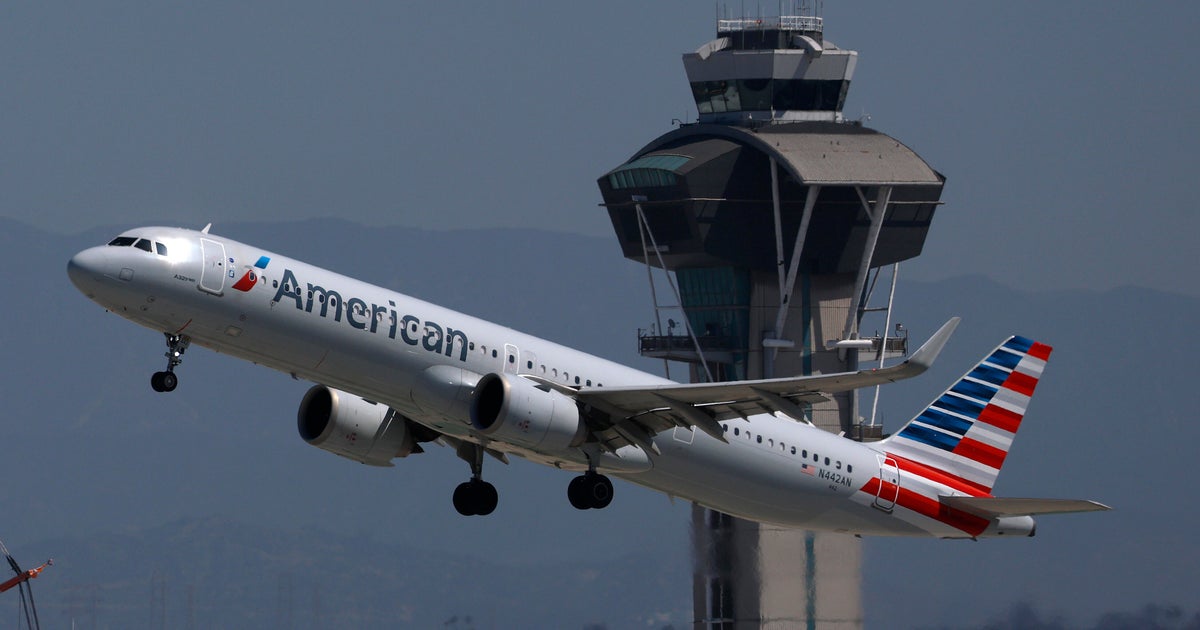

American Airlines Implements New Safety Rules for Portable Chargers
Understanding the New Travel Restrictions
American Airlines has announced significant changes to its portable charger policy that will affect how passengers travel with their electronic device power banks. Beginning this Friday, travelers flying with the airline will face new restrictions designed to enhance safety aboard aircraft. These changes come as a direct response to a concerning trend of lithium battery-related incidents that have occurred on commercial flights throughout the past year. The airline is taking a proactive approach to passenger safety while still acknowledging that portable chargers have become essential travel accessories for modern flyers who need to keep their smartphones, tablets, and laptops powered during their journeys.
The new policy represents a careful balance between safety concerns and passenger convenience. American Airlines recognizes that in today’s connected world, travelers depend heavily on their electronic devices for everything from entertainment during flights to staying in touch with family and conducting business. Portable chargers have become as essential as carry-on luggage for many passengers. However, the potential fire hazards associated with lithium-ion batteries have forced the airline to implement stricter guidelines. These rules aren’t meant to inconvenience passengers but rather to ensure that everyone aboard can travel safely while still maintaining the ability to charge their devices when needed.
The Safety Concerns Driving the Policy Change
The motivation behind American Airlines’ policy shift is rooted in alarming statistics about battery-related incidents on commercial flights. According to data from the Federal Aviation Administration (FAA), there were nearly 100 lithium battery incidents throughout 2025, with battery packs and vaping devices being the primary culprits. Even more concerning is that nearly two dozen of these incidents have already occurred in the current year, prompting airlines to take immediate action. These incidents can range from batteries overheating and smoking to actual fires, which pose serious risks in the confined environment of an aircraft cabin where evacuation options are extremely limited.
Lithium-ion batteries, while incredibly useful for powering our modern devices, contain highly reactive materials that can become dangerous under certain conditions. When these batteries are damaged, defective, or improperly used, they can experience what’s known as “thermal runaway,” a chain reaction that causes the battery to rapidly overheat and potentially catch fire or even explode. In an airplane cabin at 35,000 feet, such an incident could have catastrophic consequences. The airline industry has been monitoring this growing concern for years, but the recent spike in incidents has made it clear that more stringent measures are necessary. American Airlines’ decision to implement these new rules reflects the aviation industry’s commitment to staying ahead of potential safety threats before they result in serious accidents.
What the New Rules Mean for Passengers
Under American Airlines’ updated policy, passengers will be limited to carrying just two portable chargers on board, and each charger must not exceed a capacity of 100 watt-hours. This capacity limit covers most standard portable chargers that consumers use for smartphones and tablets, though some high-capacity models designed for laptops may exceed this threshold. The most significant change for travelers is that these portable chargers must remain visible to airline staff or within the passenger’s reach throughout the entire flight. This means you can’t simply pack your power bank in your carry-on bag and stow it in the overhead bin as you might have done previously.
The practical implications of these rules require some adjustment to how passengers prepare for flights. Your portable chargers must be easily accessible, which means keeping them in a seat pocket, under the seat in front of you, or in a personal item that stays with you during the flight. When you’re actively using a charger to power your device, it must be visible to flight attendants and other crew members. This visibility requirement allows airline personnel to quickly identify and respond if a battery begins to malfunction. Additionally, passengers are not permitted to recharge their portable chargers using the aircraft’s power outlets during the flight. This restriction helps prevent potential overheating issues that could occur during the charging process. The rules also extend to luggage with built-in charging capabilities, as these suitcases contain lithium-ion batteries with charging ports.
Industry-Wide Trend Toward Stricter Battery Policies
American Airlines isn’t alone in implementing stricter battery policies. Southwest Airlines has also recently updated its rules, limiting passengers to just one portable charger per customer rather than the two that American Airlines permits. This indicates a broader industry trend as airlines across the board reassess their safety protocols regarding lithium-ion batteries. The coordination among airlines suggests that regulatory bodies and industry leaders are sharing information about battery incidents and collectively determining best practices to keep passengers safe. As more incidents are reported and analyzed, it’s likely that other airlines will follow suit with similar restrictions, potentially creating more standardized rules across the industry.
This industry-wide response demonstrates how seriously commercial aviation takes safety threats. Airlines operate in a heavily regulated environment where safety is paramount, and they’re required to constantly evaluate risks and update their procedures accordingly. The fact that multiple carriers are implementing similar policies around the same time suggests that data and best practices are being shared throughout the industry. For frequent travelers who fly with different airlines, this trend toward standardization will eventually make it easier to understand what’s permitted and what’s not, rather than having to remember different rules for each carrier. However, in the short term, passengers should check with their specific airline before traveling to ensure they’re compliant with the latest battery policies.
Practical Tips for Travelers
For passengers preparing for upcoming flights with American Airlines, there are several practical steps you can take to ensure compliance with the new policy while still keeping your devices charged. First, check your portable chargers to verify their capacity, which is usually printed on the device itself and measured in milliamp hours (mAh) or watt-hours (Wh). If you’re unsure how to convert between these measurements, remember that 100 watt-hours is roughly equivalent to 27,000 milliamp hours for a standard 3.7-volt battery. Most smartphone-sized portable chargers fall well below this limit, but larger capacity models might exceed it. Second, plan to pack only your two most essential chargers and leave any extras at home to avoid any issues at security or during boarding.
When packing for your flight, place your portable chargers in an easily accessible location in your personal item or carry-on bag that will stay under the seat in front of you. Consider using the seat pocket in front of you to store chargers during the flight, making them visible and accessible as required by the new policy. If you’re traveling with smart luggage that has built-in batteries, be prepared to show that the battery is removable or within the capacity limits. Finally, ensure your portable chargers are in good condition without any visible damage, swelling, or exposed wires, as damaged batteries pose the greatest safety risk. By taking these precautions, you can continue to enjoy the convenience of portable charging while helping maintain a safe environment for all passengers on board. As American Airlines emphasized in their statement, these measures are designed to support safety while ensuring customers can still charge their devices on the go, striking a necessary balance in our increasingly connected world.