

Federal Reserve’s April 2026 Meeting: What Americans Need to Know
The Fed Faces a Perfect Storm of Economic Challenges
The Federal Reserve is preparing to announce its third interest rate decision of 2026 this Wednesday, and it’s happening at one of the most complicated economic moments in recent memory. Chair Jerome Powell, who has led the central bank through some of its most turbulent years, will be presiding over what’s expected to be his final meeting before stepping down. Meanwhile, the U.S. economy is sending mixed signals that would challenge even the most seasoned policymakers: inflation is creeping upward again, the job market has lost its momentum, and geopolitical tensions are creating uncertainty that ripples through every sector of the economy.
Market watchers and everyday Americans alike are paying close attention to what the Fed will do next. According to the CME Group’s FedWatch tool—which tracks market expectations—there’s virtually a 100% certainty that the Federal Reserve will keep interest rates right where they are, in the range of 3.5% to 3.75%. This wouldn’t be surprising given that the Fed has already paused rate changes at both its January and March meetings this year. The central bank has essentially been in “wait and see” mode, carefully observing how President Trump’s tariff policies are affecting the economy and how the ongoing conflict with Iran is reshaping the global economic landscape. The war has sent energy prices soaring and pushed inflation to levels we haven’t seen in almost two years, creating a particularly thorny problem for policymakers who need to balance multiple competing priorities.
Jerome Powell’s Final Bow and the Transition Ahead
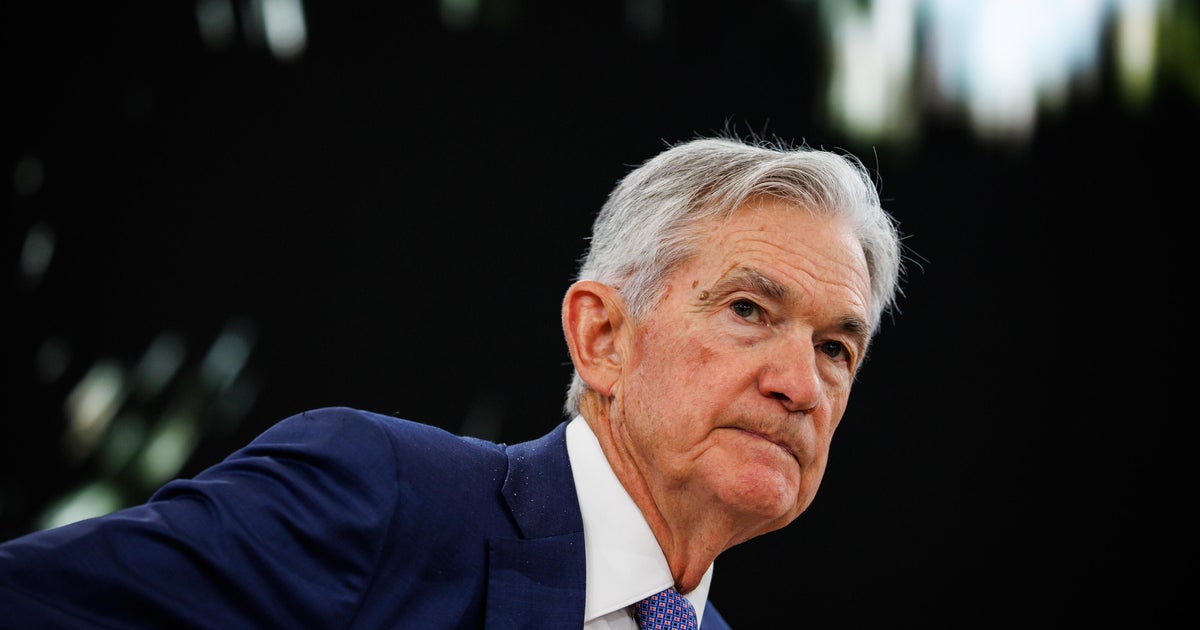
This meeting carries extra significance because it marks the end of an era for the Federal Reserve. Jerome Powell’s eight-year tenure as Fed chair will conclude on May 15, and his departure comes after years of navigating unprecedented economic challenges—from the pandemic recovery to the inflation surge that followed. Powell has weathered criticism from multiple directions, including pressure from President Trump to cut rates more aggressively. His replacement is expected to be Kevin Warsh, who recently went through confirmation hearings before the Senate Banking Committee. Warsh’s path to the top Fed job had hit a speed bump when Senator Thom Tillis of North Carolina threatened to block the nomination until the Justice Department resolved an investigation into Powell regarding the renovation of the Fed’s Washington headquarters. Powell himself called that investigation politically motivated, and many observers saw it as connected to his refusal to bend to presidential pressure on rate decisions.
The drama surrounding Powell’s final days took a turn over the weekend when U.S. Attorney Jeanine Pirro announced on Friday that her office would be ending the probe into Powell. This announcement cleared the way for Senator Tillis to drop his objection, and by Sunday, he indicated he was ready to move forward with Warsh’s confirmation. Economists at EY-Parthenon are now predicting that Kevin Warsh will be confirmed in time for the June Federal Open Market Committee meeting, ensuring a relatively smooth transition in leadership. For Americans wondering what this means for their financial future, the leadership change adds another layer of uncertainty to an already unpredictable economic environment. Different Fed chairs can have different philosophies about how aggressively to fight inflation versus how much to prioritize employment, and Warsh’s approach will become clearer once he takes the helm.
Understanding What Happens at This Week’s Meeting
For those wondering about the logistics, the Federal Open Market Committee—which is the 12-member group responsible for setting interest rates—will announce its decision on Wednesday at 2 p.m. Eastern Time. Following that announcement, Powell will hold a press conference at 2:30 p.m. where reporters will have the opportunity to ask questions about the Fed’s thinking, the state of the economy, and what officials are watching as they plan their next moves. These press conferences have become must-watch events for financial professionals, economists, and anyone trying to understand where the economy is headed. Powell’s choice of words, his tone, and even his body language get analyzed in detail because they can provide clues about whether the Fed is leaning toward cutting rates, raising them, or staying put for the foreseeable future.
The consensus among economists surveyed by FactSet is clear: the Fed will maintain its current interest rate range. The last time the central bank actually cut rates was back in December 2025, and since then, officials have been reluctant to make any moves in either direction. The reasoning behind holding steady makes sense when you consider the economic tightrope the Fed is walking. On one hand, cutting rates would make borrowing cheaper for American consumers and businesses—potentially boosting spending, investment, and hiring. On the other hand, rate cuts could add fuel to inflation, which is exactly what the Fed doesn’t want right now. The Consumer Price Index jumped to 3.3% in March compared to a year earlier, marking the highest inflation rate since May 2024 and significantly above the Fed’s comfort zone of 2%. With the conflict in Iran already driving up energy costs and putting upward pressure on prices throughout the economy, Fed officials are understandably cautious about doing anything that might make inflation worse.
The Labor Market: Not Hot, Not Cold, Just… Complicated
One of the Federal Reserve’s two main responsibilities is maintaining maximum employment—the other being price stability. Right now, the job market presents a puzzle for policymakers. It’s not strong enough to celebrate, but it’s not weak enough to panic about either. Elizabeth Renter, a senior economist at NerdWallet, described the situation perfectly when she said the labor market is “plugging along without much steam, but it’s still plugging along.” The data tells a story of an economy in a holding pattern: employers aren’t hiring aggressively, but they also aren’t laying people off in large numbers. Last month’s jobs report showed surprisingly strong growth, but economists are expecting this month’s numbers to be considerably weaker, reflecting the underlying sluggishness in the employment picture.
This middling labor market creates a dilemma for the Fed. Typically, when unemployment rises or job growth stalls, the central bank would consider cutting interest rates to stimulate the economy and encourage hiring. Lower rates make it cheaper for businesses to borrow money, which can lead to expansion and new job creation. But with inflation still running hot, the Fed can’t simply focus on employment and ignore the price increases that are squeezing household budgets. Americans are feeling the pinch at the gas pump, at the grocery store, and in their monthly bills. The Fed has to balance the need to keep people employed with the equally important need to ensure that their paychecks don’t lose purchasing power to rising prices. It’s this delicate balancing act that explains why the central bank has been content to pause and watch rather than taking decisive action in either direction.
Looking Ahead: Will We See Any Rate Cuts This Year?
The big question on everyone’s mind is whether interest rates will come down at all in 2026. Many economists are predicting at least one rate cut before the year ends, most likely in September or December. However, even this modest expectation represents a scaling back of earlier forecasts. EY-Parthenon, for example, initially predicted two rate cuts for 2026 but revised that down to just one as the inflation picture deteriorated. Lydia Boussour, a senior economist at the consulting arm of Ernst & Young, and her team now expect that cut to come in December—and that’s assuming conditions improve enough to make it possible.
Not everyone is convinced we’ll see any rate cuts this year. Mark Zandi, chief economist at Moody’s Analytics, expressed skepticism that the Fed would lower rates at all in 2026. According to Zandi, the central bank is essentially “stuck in place” because officials “don’t know how to respond, in part, because of all the uncertainty with how things are playing out.” The deciding factor, he suggests, will be inflation expectations—not just what inflation is doing right now, but what businesses and consumers expect it to do in the future. If people start to believe that high inflation is here to stay, that belief can become self-fulfilling as workers demand higher wages and businesses raise prices in anticipation. Conversely, if inflation expectations remain anchored—meaning people still believe the Fed will eventually get prices under control—that makes the central bank’s job considerably easier. As Goldman Sachs economists noted in a recent research note, the Fed is likely to stick with its “wait-and-see message” because the ongoing war with Iran continues to create uncertainty about both inflation and economic activity. Until that picture becomes clearer, don’t expect the Fed to make any dramatic moves that could backfire if circumstances change suddenly.