
Discovery of a Remarkable 16th Century Shipwreck Off Sweden’s Coast
A Significant Maritime Find Emerges from the Baltic Sea
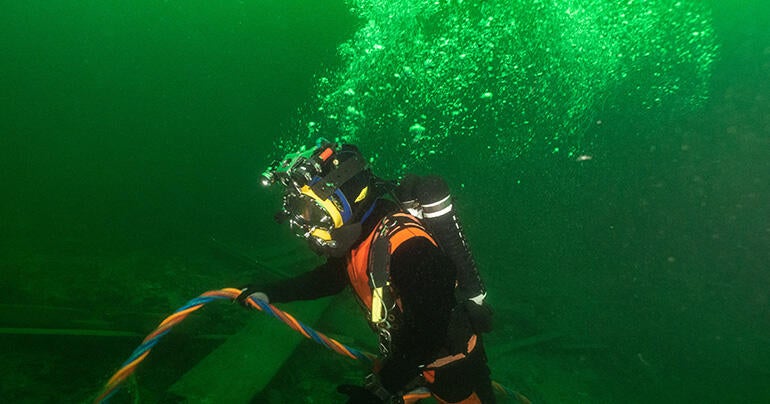
In an exciting development for maritime archaeology and historical preservation, Swedish officials revealed on Tuesday the discovery of an exceptionally well-preserved 16th century shipwreck off the country’s southeastern coastline. This remarkable find occurred during a routine military exercise in late 2025, when the navy vessel HMS Belos came across the ancient wreck in the Kalmar Strait, the waterway situated between Sweden’s southeastern mainland and the historic Baltic Sea island of Öland. What makes this discovery particularly thrilling for historians and archaeologists alike is that the ship appears to predate Sweden’s most famous maritime treasure – the iconic 17th century warship Vasa, which has captivated millions of visitors in Stockholm since its dramatic salvage operation in the 1960s. The County Administrative Board in Kalmar wasted no time in emphasizing the importance of this find, noting that it provides “unique historical and archaeological information” that could reshape our understanding of maritime activities, shipbuilding techniques, and naval warfare during this pivotal period in European history.
Scientific Analysis Reveals the Ship’s Ancient Origins
The dating of this mysterious vessel relied on dendrochronology, a fascinating scientific method that examines the growth rings in wood to determine the age of trees and wooden objects with remarkable precision. Through dendrochronological analysis of portions of the wreck, researchers were able to establish that the ship was constructed sometime in the late 1500s, placing it firmly in the tumultuous period of the late Renaissance when European powers were expanding their naval capabilities and competing for dominance across the seas. Daniel Tedenlind, the antiquarian who assessed the find, didn’t mince words about its importance, declaring in the official statement that “the shipwreck is of significant cultural historical value.” While the specific identity of the vessel remains unknown at this time, the fact that it predates the famous Vasa makes it an exceptionally rare specimen. The Vasa itself sank on its maiden voyage in 1628 and has since become one of the most studied ships in maritime history, offering invaluable insights into 17th century naval architecture, artistry, and Swedish society. The discovery of an even older vessel opens up exciting possibilities for comparative studies and could provide answers to long-standing questions about the evolution of shipbuilding techniques during this transformative century in maritime history.
The Baltic Sea: Nature’s Perfect Preservation Chamber
One of the most remarkable aspects of this discovery isn’t just the ship itself, but the extraordinary condition in which it has survived for more than four centuries beneath the waves. The Baltic Sea possesses a unique combination of environmental conditions that create what maritime archaeologists often describe as a natural time capsule for wooden shipwrecks. The water in the Baltic is brackish – a mixture of fresh and salt water – which, combined with consistently cold temperatures, darkness at depth, and critically low oxygen levels, creates an environment where the organisms that typically consume and decompose wood cannot survive or reproduce effectively. This means that wooden ships that would have deteriorated within decades in other marine environments can remain remarkably intact for hundreds of years in the Baltic. Sweden has benefited tremendously from this natural preservation system, with numerous historical wrecks dotting the seabed in various states of preservation. Just this past February, another dramatic reminder of the Baltic’s preservation powers emerged when a Swedish Navy shipwreck that had been buried underwater in central Stockholm for approximately 400 years became visible due to unusually low water levels in the Baltic Sea, offering casual observers a rare glimpse into maritime history that is normally hidden beneath the surface.
Recent Years Bring Multiple Significant Discoveries
The newly announced 16th century shipwreck joins a growing catalogue of remarkable maritime discoveries in Swedish waters in recent years, suggesting that many more secrets remain hidden beneath the Baltic’s waves. In July 2024, a team of divers made headlines when they discovered an impressive haul of champagne and wine bottles on a shipwreck resting on the Baltic Sea floor off the Swedish coast. This precious cargo, which had been naturally refrigerated and preserved in the cold depths for what could be centuries, was later declared off-limits by the government to protect both the historical integrity of the site and the valuable artifacts themselves from looters and souvenir hunters. That same prolific year of 2024 saw researchers exploring yet another ancient shipwreck off Sweden’s coast make fascinating discoveries, including a well-preserved weapons chest and various pieces of armor that offer tantalizing clues about the military technology and maritime warfare practices of centuries past. These successive discoveries underscore the reality that the Baltic Sea region represents one of the world’s richest underwater archaeological sites, with each new find adding another piece to the complex puzzle of Northern European maritime history, trade networks, naval conflicts, and the daily lives of sailors who ventured across these waters in bygone eras.
Protecting a Priceless Window into the Past
Recognizing the extraordinary historical and archaeological value of the newly discovered 16th century shipwreck, Swedish authorities have moved swiftly to ensure its protection and preservation for future study. The site has been officially designated as a historic monument, a legal status that provides it with the highest level of protection under Swedish cultural heritage laws. To enforce this protection, the coast guard has been assigned to monitor the location, and strict regulations have been implemented prohibiting all diving, fishing, and anchoring activities in the surrounding area. These measures may seem restrictive, but they are essential to prevent both accidental damage from maritime activities and intentional looting by treasure hunters or overeager amateur historians who might be tempted to take souvenirs. The wreck represents an irreplaceable archaeological context – a term that refers to the precise location and relationship of artifacts to one another and to the ship itself. When objects are removed without proper documentation by trained professionals, crucial information is lost forever, making it impossible to fully understand the story that the artifacts collectively tell. By securing the site now, Swedish authorities ensure that when proper archaeological excavation and study eventually takes place, it can be conducted systematically and scientifically, extracting maximum information from this precious time capsule.
Looking Forward: The Promise of Future Research
As news of this discovery spreads through the archaeological and historical communities, anticipation is building about what secrets this late 16th century vessel might ultimately reveal. Future research expeditions will likely employ cutting-edge underwater archaeological techniques, including advanced imaging technology, 3D mapping, and careful artifact recovery and conservation methods that have been refined through decades of work on sites like the Vasa. Researchers will be particularly interested in examining the ship’s construction techniques, which could provide insights into the evolution of shipbuilding practices between the 16th and 17th centuries. The types of wood used, the joinery methods, the arrangement of decks and living quarters, and any decorative elements could all offer valuable comparative data. If the ship was armed, the configuration and types of weapons would illuminate naval warfare strategies of the period. Personal items belonging to crew members – if preserved – could offer intimate glimpses into the daily lives of 16th century sailors, their origins, their diets, and their personal possessions. Trade goods in the cargo hold might reveal economic connections and maritime trade routes that are not fully documented in written historical sources. The potential for this single shipwreck to contribute to multiple fields of historical inquiry – from naval architecture and military history to social history and economic studies – is immense. As Daniel Tedenlind noted, the shipwreck’s significant cultural historical value lies not just in its age or condition, but in the unique story it has the potential to tell about a formative period in Swedish and European history, waiting patiently beneath the Baltic waves to share its secrets with a new generation of researchers and history enthusiasts.