
Federal Judge Challenges Pentagon’s Controversial Press Restrictions
Court Hearing Puts Media Access and First Amendment Rights in the Spotlight
In a courtroom showdown that has significant implications for press freedom, a federal judge openly challenged the Pentagon’s new media policy during a heated Friday hearing. U.S. District Judge Paul L. Friedman of the District of Columbia expressed deep skepticism about regulations that impose severe limitations on journalists working inside the Pentagon building. Drawing on his decades of experience observing American conflicts from Vietnam to the post-9/11 era, Judge Friedman emphasized the essential role that independent journalism has played in helping citizens understand their government’s actions during critical moments in history. His pointed remarks suggested that the current restrictions might cross constitutional boundaries by limiting the press’s fundamental First Amendment rights to gather and report news about the nation’s defense operations.
The case before Judge Friedman stems from a lawsuit filed by The New York Times against the Pentagon after defense officials implemented a comprehensive policy requiring all credentialed journalists to sign extensive agreements restricting their news-gathering activities within the building. The consequences for violating these new rules are serious—journalists could lose their Pentagon press credentials entirely, effectively cutting them off from one of the most important sources of defense and national security information. The policy has created a dramatic shift in the Pentagon press corps, with most major news organizations refusing to accept what they view as unconstitutional constraints on their reporting. Outlets including CBS News, The New York Times, The Washington Post, NewsNation, The Hill, Fox News, and Newsmax all declined to sign the restrictive agreement, forcing them to vacate their workspace inside the Pentagon building and significantly limiting their access to defense officials and information.
A Changed Media Landscape at the Pentagon
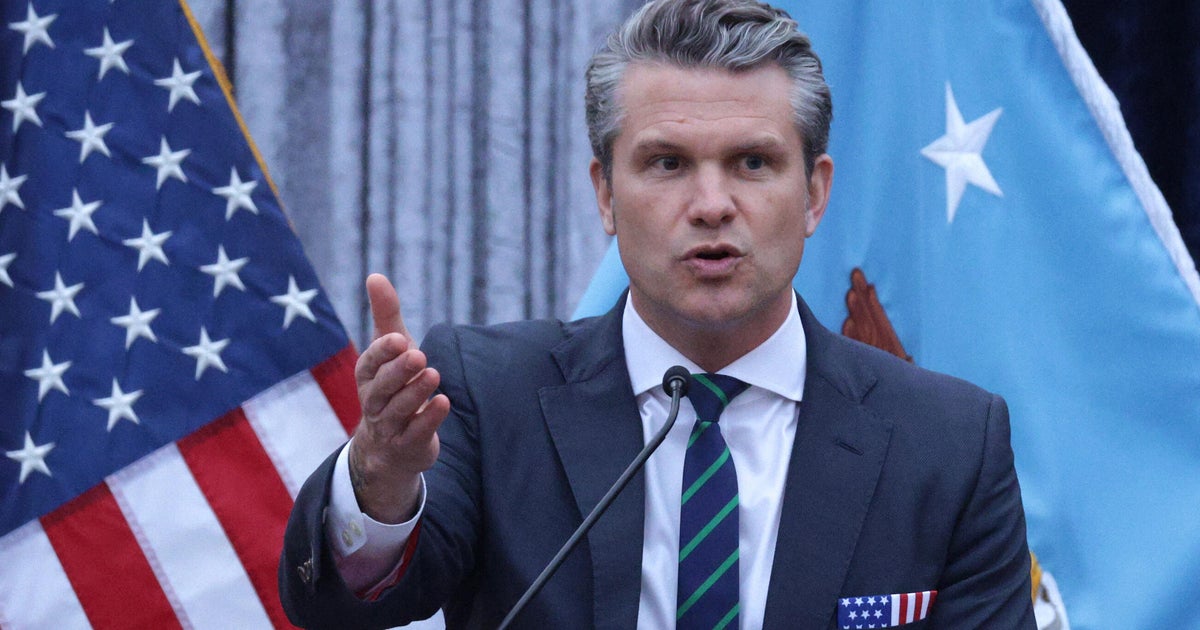
The exodus of mainstream media organizations from the Pentagon has resulted in a dramatically altered press landscape within the building. After the departure of outlets that refused to sign the agreement, the remaining accredited journalists consist primarily of right-wing news sites and bloggers who agreed to the Pentagon’s conditions. This shift has raised concerns about balanced coverage and whether the American public is receiving comprehensive information about military operations and defense policy. The timing of this media shakeup has proven particularly significant, coinciding with recent U.S. military operations against Iran. While some—though not all—reporters from the excluded organizations have been granted temporary visitors’ passes to attend briefings by Defense Secretary Pete Hegseth and Joint Chiefs of Staff Chairman Gen. Dan Caine, this ad-hoc arrangement represents a far cry from the traditional embedded press corps that has long operated within the Pentagon, providing daily coverage and accountability.
Judge Questions Criminalization of Journalism
During Friday’s hearing, Judge Friedman engaged in particularly sharp exchanges with government attorneys over what activities could potentially be considered criminal under the new policy. When Justice Department lawyer Michael Bruns appeared to suggest that journalists could face legal consequences if their questions led to the disclosure of sensitive national defense information, the judge pushed back forcefully. “Asking a question is not criminal,” Friedman stated emphatically, adding that government officials always have the option to simply decline answering by citing national security concerns. While Bruns acknowledged that the act of asking questions itself isn’t criminal, he argued that if those questions resulted in unauthorized disclosure of classified information, the Pentagon could consider this when evaluating whether a journalist poses a security risk and should retain their press credentials. This exchange highlighted one of the central tensions in the case: where the line should be drawn between legitimate national security concerns and the press’s constitutional right to investigate and report on government activities, including asking probing and potentially uncomfortable questions.
The Tip Line Controversy and Unequal Treatment
One of the most revealing moments in the hearing came when Judge Friedman challenged the government’s apparent double standard regarding journalist tip lines. The Pentagon had raised concerns about a tip line established by The Washington Post for receiving information from sources, yet had no objections to a similar tip line promoted by Laura Loomer, a far-right influencer who signed the Pentagon’s agreement and currently reports from inside the building. The judge’s pointed questioning—”Is the Washington Post tip line criminal solicitation?”—highlighted what appears to be inconsistent application of the Pentagon’s standards. When Bruns struggled to provide clear answers, admitting he wasn’t certain whether the Post’s tip line constituted criminal solicitation, Friedman drove the point home: “So, if you’re not clear, how can they be clear?” The government attorney attempted to distinguish between the two by claiming the Washington Post tip line specifically targeted military members while Loomer’s was more general, but this explanation appeared to do little to satisfy the judge’s concerns about fairness and equal treatment.
Historical Context and Government Transparency
Judge Friedman’s reference to the Vietnam War carried particular weight in his questioning of the Pentagon’s new policy. His observation that “the public, I think it’s fair to say, was lied to about a lot of things” during that conflict served as a powerful reminder of why press freedom and government transparency matter. The Vietnam War stands as one of the clearest examples in American history of the critical role independent journalism plays in holding government accountable, with reporters like David Halberstam and Neil Sheehan uncovering discrepancies between official government statements and battlefield realities. The Pentagon Papers, leaked to The New York Times and The Washington Post, revealed systematic deception about the war’s progress and prospects. Judge Friedman’s invocation of this history suggests he understands that while certain information must indeed remain classified for legitimate security reasons, overly broad restrictions on the press can enable government deception and undermine democratic accountability. His statement that “openness and transparency allow members of the public to know what their government is doing” reflects a judicial philosophy that values the public’s right to information about how their government operates, particularly in matters of war and peace that affect the entire nation.
Looking Ahead: The Path to a Ruling
As the hearing concluded, Judge Friedman requested that both sides submit recommendations by Monday outlining how he should structure his order before issuing a final ruling. This procedural step indicates the judge is taking the matter seriously and wants to carefully consider the appropriate remedy if he determines the Pentagon’s policy violates constitutional protections. The lawyers representing the press, including David Schulz from the Pentagon Press Association, are asking the court to block enforcement of the new policy entirely, arguing it represents an unconstitutional violation of First Amendment press freedoms. The outcome of this case could have far-reaching implications not just for Pentagon reporting but for press access to government facilities and officials across the federal government. At stake is whether executive branch agencies can effectively control media coverage by imposing restrictive conditions on physical access, potentially creating a system where only compliant outlets receive regular access while critical or investigative journalists are shut out. The case tests fundamental questions about the relationship between press freedom and national security in the modern era, and whether the government can use security concerns as justification for limiting the diversity of voices covering military and defense matters. Whatever Judge Friedman ultimately decides will likely influence how future administrations approach press access and could set important precedents for balancing security needs with the public’s right to know what their government is doing in their name.