
Scotland’s Ferry Fiasco: The Ongoing Saga of Taxpayer Costs and Government Bailouts
A Harbor Too Small and Hundreds of Millions Over Budget
The Scottish ferry scandal continues to deepen as taxpayers face mounting bills that now total nearly four times the original budget for two vessels, while the harbor meant to receive them proves too small to accommodate the ships. In what has become one of Scotland’s most significant political controversies, the Scottish government has now confirmed it will take Ardrossan harbour into public ownership in an attempt to salvage something from the disaster. The situation has left communities frustrated, taxpayers burdened with enormous costs, and serious questions hanging over government procurement processes and accountability.
On Tuesday, ministers revealed they had completed negotiations to purchase the North Ayrshire harbor, currently owned by Peel Ports, through the government’s ferry procurement arm, Caledonian Maritime Assets Limited (CMAL). The decision comes after the realization that the new CalMac ferries originally ordered for the mainland-Isle of Arran route cannot safely berth at the existing dock due to their size. Transport Secretary Fiona Hyslop announced at Holyrood that while the deal hasn’t been formally signed, negotiations have concluded and the purchase will be completed shortly. Though the exact purchase price remains undisclosed, officials acknowledge that substantial additional work will be required to make the facility suitable for the oversized vessels, adding yet more costs to an already bloated project.
The Vessels That Sparked a National Scandal
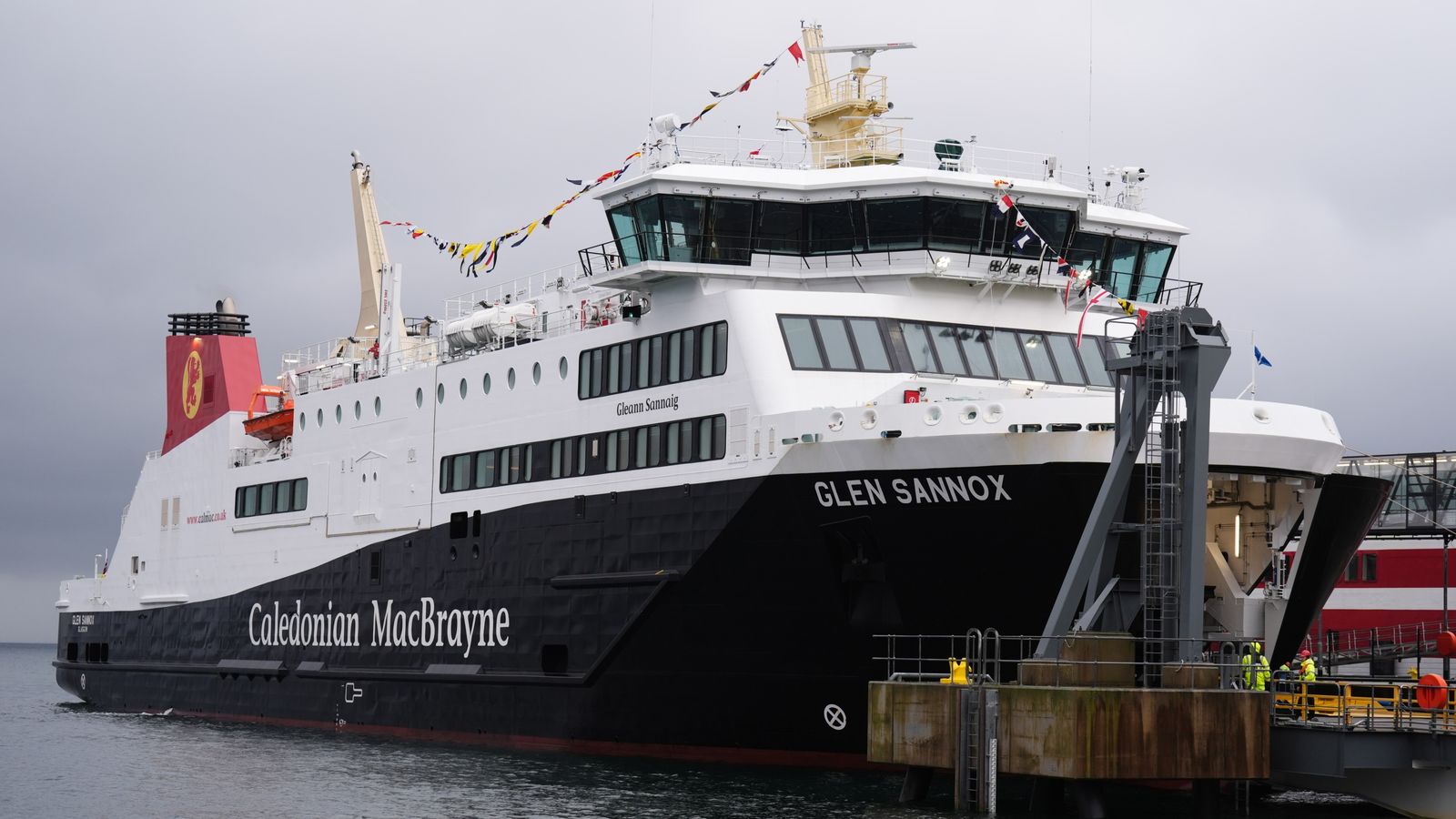
The roots of this crisis stretch back to the original ferry contract worth £97.5 million for two vessels: the Glen Sannox and its sister ship, the Glen Rosa. The Glen Sannox finally entered service last year after years of delays, while the Glen Rosa isn’t expected to be handed over until the end of 2026. What was supposed to be a straightforward procurement has ballooned into a financial nightmare, with the total cost now approaching four times the initial contract value—meaning taxpayers are on the hook for close to £400 million for just two ferries. The delays and cost overruns have been attributed to design changes, construction problems, and management failures at Ferguson Marine, the shipyard building the vessels at Port Glasgow in Inverclyde.
The consequences for local communities have been severe and immediate. Because the new ferries cannot use Ardrossan harbour as originally planned, services have had to operate from Troon, further down the coast. This arrangement left Ardrossan without ferry service for more than 18 months while the aging Caledonian Isles was out of action for repairs and maintenance. For island communities dependent on reliable ferry connections for everything from medical appointments to food supplies and economic activity, the disruption has been more than an inconvenience—it’s affected livelihoods, businesses, and quality of life. The fact that the vessels were built too large for their intended harbor represents a fundamental failure in planning and coordination that many find inexcusable.
Throwing Good Money After Bad: The Harbor Purchase
Transport Secretary Fiona Hyslop defended the harbor purchase as necessary to “secure the port in public ownership” and enable focus on redevelopment as “the primary mainland port for Arran.” She acknowledged the complexity of the negotiations and promised wider benefits for ferry services in the longer term, though specifics remain vague. The minister explained that CMAL is already considering short-term improvements to ensure resilient operations while the Caledonian Isles continues operating from Ardrossan, and committed to funding a two-port service until major redevelopment work begins.
Critics, however, see this as yet another example of throwing good money after bad, with the government essentially buying its way out of a problem of its own making. The fact that officials cannot yet confirm how much taxpayers will pay for the harbor—on top of the hundreds of millions already spent on oversized ferries—has only intensified scrutiny. Opposition politicians have questioned how such basic planning failures could occur, with some suggesting the entire procurement process was riddled with incompetence from the start. The need to purchase and then substantially redevelop a privately-owned harbor to accommodate government-commissioned vessels that should have been built to fit existing infrastructure represents a spectacular failure of project management and oversight.
A Lifeline for Ferguson Marine: Four More Ships
In a move that has raised eyebrows across Scotland, Deputy First Minister Kate Forbes announced that the Scottish government will directly award contracts for four new ships to Ferguson Marine, describing it as a “bridge to the future” for the troubled yard. This decision comes despite the facility being at the center of the ferry scandal, having taken over Ferguson Marine in 2019 amid the Glen Sannox and Glen Rosa debacle. The announcement has sparked debate about whether rewarding failure sends the wrong message and whether taxpayers are being asked to gamble even more money on a shipyard that has demonstrably failed to deliver on time or on budget.
The contract, subject to a due diligence exercise, includes two smaller ferries diverted from the second phase of the government’s small vessel replacement programme, originally planned to build three replacement ferries. These vessels will serve the Sound of Harris and the Sound of Barra in the Western Isles. Additionally, Ferguson Marine will receive contracts to build two fishery support vessels. Kate Forbes emphasized that ministers must ensure public contracts comply with legal requirements and demonstrate value for communities and taxpayers, noting that detailed due diligence is underway to assess the viability and implications. The government is also engaging with the Competition and Markets Authority before making formal contract award decisions, suggesting awareness of the controversial nature of directly awarding work to a yard with such a troubled recent history.
The Road Ahead: Hope or More Disappointment?
The government maintains that it rescued Ferguson Marine “for a purpose” and remains determined to see it succeed, hoping the new contracts will help the shipyard “re-establish itself as a credible, competitive shipbuilder by demonstrating consistent delivery, controlling costs and delivering vessels that perform in service.” Kate Forbes stated that the government still intends to return the yard to private sector ownership “when the time is right,” though no timeline was provided. The strategy appears to be giving Ferguson Marine opportunities to prove it can learn from past mistakes and deliver projects successfully, thereby rebuilding its reputation and commercial viability.
However, skeptics wonder whether this represents sound policy or simply an expensive attempt to avoid admitting failure and closing a facility that has cost taxpayers dearly. The fact remains that Scotland’s ferry services are in crisis, with aging vessels breaking down, routes disrupted, and island communities suffering from unreliable connections to the mainland. While the government promises that lessons have been learned and that robust oversight will prevent future disasters, the public has heard such assurances before. The ferry fiasco has damaged trust in government procurement processes and raised fundamental questions about accountability when public projects go drastically wrong. As negotiations for Ardrossan harbour conclude and Ferguson Marine prepares to build more vessels, Scots will be watching closely to see whether this truly represents a turning point or simply the next chapter in an ongoing saga of mismanagement and wasted taxpayer money. The coming years will reveal whether the government’s strategy of buying the harbor and backing the troubled shipyard represents prudent damage control or an expensive mistake compounding the original errors.