


Trump Backs Spending Deal Amid National Crisis Over Federal Agent Killings
A Fragile Compromise to Keep Government Running
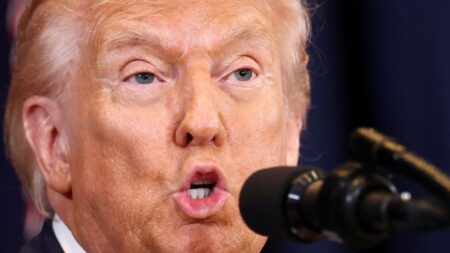
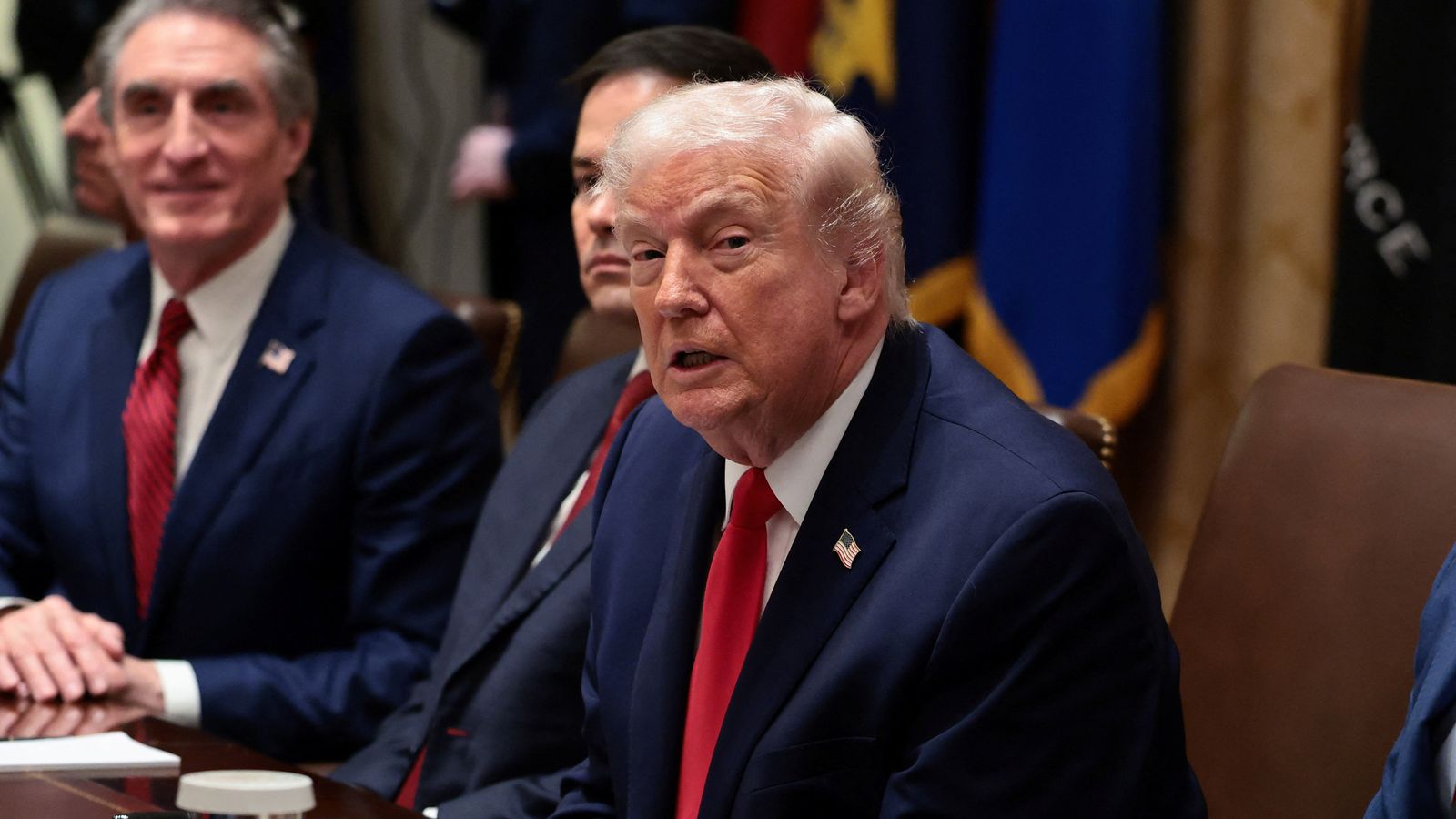
In a significant political development, former President Donald Trump has thrown his support behind a carefully negotiated spending agreement that aims to prevent yet another damaging government shutdown. The deal, hammered out between Senate Republicans and Democrats, represents a delicate balancing act during an extraordinarily tense moment in American politics. Trump took to his Truth Social platform on Thursday evening to announce his endorsement, stating that “Republicans and Democrats have come together to get the vast majority of the government funded until September.” His public endorsement carries considerable weight among Republican lawmakers, many of whom look to him for guidance on critical legislative matters. Trump specifically called for what he termed a “much needed Bipartisan ‘YES’ vote,” signaling the importance of cross-party cooperation at this critical juncture. The agreement would fund most government operations through September while taking a different approach to the Department of Homeland Security, extending its current funding for just two weeks to allow for continued negotiations on contentious issues.
The Minneapolis Tragedy That Changed Everything
The urgency surrounding this spending deal cannot be separated from the tragic events that unfolded in Minneapolis, which have shaken the nation to its core. Two protesters, Alex Pretti and Renee Good, were killed by federal agents, setting off a firestorm of controversy and demands for accountability. The death of Alex Pretti on Saturday became the flashpoint that transformed routine budget negotiations into a constitutional crisis. Democrats, responding to public outrage and demands for justice, made the unprecedented move to block legislation funding the Department of Homeland Security on Thursday. Their bold stance reflects deep concerns about the operations of Immigration and Customs Enforcement (ICE), which operates under the DHS umbrella. The Democrats are pushing for meaningful restrictions on ICE’s authority and operations, using their legislative power to force a reckoning with federal law enforcement practices that many Americans view as excessive and dangerous. This tragedy has united the Democratic caucus in a way that previous conflicts did not, creating a more formidable opposition than Republicans have faced in recent spending battles.
A Creative Solution to Break the Deadlock
The compromise that emerged represents creative problem-solving under intense pressure. Rather than allowing the entire government to shut down over disagreements about Homeland Security funding, negotiators agreed to separate DHS funding from the larger $1.2 trillion government spending package. This approach allows most federal operations to continue with funding secured through September, providing stability and certainty for the vast majority of government services that Americans depend on daily. Meanwhile, the two-week extension for Homeland Security funding creates a narrow window for intensive negotiations focused specifically on Democratic demands for curbs on ICE operations. This separation strategy acknowledges the unique controversy surrounding DHS and ICE while preventing those disputes from derailing funding for unrelated government functions. However, as Thursday evening wore on, Senate leaders were still working feverishly to secure enough votes to pass the package, highlighting that even this compromise faces significant hurdles. The delayed passage underscores how raw emotions remain following the Minneapolis killings and how difficult it is to find common ground even when both sides recognize the catastrophic consequences of a shutdown.
Echoes of Past Shutdowns and New Unity
This standoff arrives just two months after the nation endured a bruising 43-day government shutdown, one of the longest in American history. That previous closure resulted from Democrats blocking a spending bill over expiring federal healthcare subsidies, with Republicans refusing to negotiate for well over a month. The prolonged shutdown caused genuine hardship for hundreds of thousands of federal workers who went without paychecks, disrupted essential government services, and damaged America’s economic outlook. That earlier crisis finally ended when a small group of moderate Democrats broke ranks with their party leadership to strike a deal with Republicans, essentially giving Republicans what they wanted. However, the current situation differs dramatically from that earlier confrontation. The killings of Alex Pretti and Renee Good have created a sense of moral urgency that transcends typical budget disagreements. Democrats are demonstrating far greater unity this time, with even moderate members standing firm on demands for ICE accountability. The rare bipartisan talks between Trump and Senate Democratic leader Chuck Schumer reflect recognition on both sides that another extended shutdown would be politically and economically devastating, particularly in the wake of such a profound national tragedy.
Calls for Investigation and Accountability
Senators from both political parties have joined together in demanding a comprehensive investigation into the circumstances surrounding Alex Pretti’s death. Reports indicate that Pretti had previously clashed with federal agents in the week before his fatal encounter, raising serious questions about whether the situation could have been de-escalated or handled differently. The bipartisan nature of these calls for investigation represents a significant development, suggesting that concern about federal law enforcement overreach extends beyond traditional party lines. Many lawmakers recognize that their constituents are deeply troubled by what happened in Minneapolis and are demanding answers and accountability. The situation has prompted broader discussions about the appropriate role of federal agents in domestic law enforcement, the rules of engagement for such operations, and the oversight mechanisms that should govern agencies like ICE. As one analysis put it, the Minneapolis situation is “tearing” the United States apart, reflecting deep divisions about immigration enforcement, federal power, and the use of lethal force against American citizens. These are not abstract policy debates but fundamental questions about the kind of country America wants to be.
Declining Approval and Shifting Public Opinion
Amid this political crisis, new polling data reveals troubling trends for the Trump administration’s hardline immigration policies. Research conducted by Pew between January 20 and 26 shows President Trump’s approval rating has fallen to 37%, down from 40% the previous autumn. Perhaps more significantly, half of Americans surveyed indicated that the administration’s actions have been worse than they expected, suggesting widespread disappointment even among some who initially supported Trump. When asked specifically about immigration policies, the numbers become even more striking. An overwhelming 74% of Americans believe it’s acceptable for ordinary citizens to record ICE arrests, reflecting deep public skepticism about federal immigration enforcement and a desire for transparency and accountability. More than half—59%—said it’s acceptable for people to share information about where ICE operations are taking place, essentially endorsing community resistance to federal immigration enforcement. These numbers represent a significant shift in public opinion and suggest that the administration’s aggressive approach to immigration enforcement may be politically unsustainable. The combination of declining approval ratings and the Minneapolis tragedy has created a perfect storm that forced this spending compromise, with both parties recognizing that Americans are demanding change in how federal agents operate on American streets.